T.C.
ISTANBUL AYDIN UNIVERSITY INSTITUTE OF GRADUATE
STUDIES
ACTIVITY BASED COSTING, MANAGEMENT AND BUDGETING, WITH AN APPLICATION TO THE HOSPITALITY SECTOR
MASTERS THESIS Meshal ALSORKHEEE
Department of Business Business Administration Program
T.C.
ISTANBUL AYDIN UNIVERSITY INSTITUTE OF GRADUATE
STUDIES
ACTIVITY BASED COSTING, MANAGEMENT AND BUDGETING, WITH AN APPLICATION TO THE HOSPITALITY SECTOR
MASTERS THESIS Meshal A. ALSORKHEEE
(Y1712.130127)
Department of Business Business Administration Program
Thesis Advisor: Assist. Prof. Dr. HÜLYA BOYDAŞ HAZAR
iii
﴾ اًمْلِّع يِّنْد ِّز ِّ بَر ْلُق َو ﴿ ميحرلا نمحرلا الله مسب :ىلاعت الله لاق
114 ةيا ,هط ةروسv DECLARATION
I am MESHAL ALSORKHEE hereby declare that I am the sole author of this master thesis titled “ACTIVITY BASED COSTING, MANAGEMENT AND BUDGETING, WITH AN APPLICATION TO THE HOSPITALITY SECTOR” and that I have not used any sources other than those listed in the bibliography and identified as references. I further declare that I have not submitted this thesis at any other institution in order to obtain a degree.
vii FOREWORD
With my regards, appreciation, and sincere thanks to Assist. Prof. Dr. HÜLYA BOYDAŞ HAZAR, thesis advisor, for his adept guidance, worthy suggestions, deep cooperation and encouragement during my master courses as well as the preparation of the thesis. I proudly announce my pleasure to thanks to all the professors of the Department of Business Administration, Istanbul Aydin University for their timely help and support me during my master courses.
I would like to thank especially the one that God rewarded him with prestige and honor, the one that I carry his name with all pride and ask God to extend his age and preserve him ... My dear father
I would like to thank especially my angel in life, the meaning of love and compassion, the smile of life and the secret of safety, that her prayer was the secret behind my success ... My beloved mother
I would like to thank my lovely lady, the secret of my passion, the one behind a great moral support to continued success, from which I derived my positive energy... My soulmate
I would like to express my appreciation to my brothers and sister for their invaluable support in general, and moral support during this research. And my friends to help me in my life in Turkey.
Finally, always be confident that duaa rearranges the scene.
ix
TABLE OF CONTENTS
PageDECLARATION ... v
FOREWORD ... vii
LIST OF TABELS ...xiii
LIST OF FIGURES ... xvii
ÖZET ………... ... xix
ABSTRACT ... xxi
I. INTRODUCTION ... 1
II. ACTIVITY BASED COSTING (ABC) ... 7
A. INTRODUCTION ... 7
B. COST ACCOUNTING ... 8
C. COST ACCOUNTING OBJECTIVES ... 8
D. ACTIVITY BASED COSTING SYSTEM ... 9
E. ACTIVITY BASED COSTING SYSTEM DEFINITION ... 9
F. ACTIVITY DEFINITION ... 10
G. ACTIVITY TYPES ... 10
H. COST DRIVER ... 12
I. ABC HISTORY AND STAGES OF EVOLUTION ... 13
J. THE MOST IMPORTANT REASONS THAT LED TO SWITCH TO ABC ... 14
K. THE BEGINNING OF THE APPLICATION OF THE ABC SYSTEM IN THE COMPANIES ... 15
L. THE IMPORTANCE OF APPLYING ABC SYSTEM ... 15
M. THE ADVANTAGES AND DISADVANTAGES OF APPLYING ABC SYSTEM ACCORDING TO CIMA ... 16
N. ABC SYSTEM ASSUMPTIONS ... 17
O. SUCCESS ELEMENTS OF APPLYING ABC SYSTEM ... 17
P. THE MAIN STEPS TO APPLY ABC ... 18
Q. ABC SYSTEM APPLICATION LIMITATIONS ... 23
R. PROBLEMS ENCOUNTERED WITH THE IMPLEMENTATION OF AN ABC SYSTEM ... 25
S. COMPARISON BETWEEN TRADITIONAL COSTING SYSTEM AND ACTIVITY-BASED COSTING... 26
III. ACTIVITY-BASED MANAGEMENT (ABM) ... 29
A. INTRODUCTION ... 29
x
C. ACTIVITY BASED MANAGEMENT SYSTEM HISTORY ... 30
D. THE IMPORTANCE OF ABM SYSTEM ... 32
E. THE DIFFERENCE BETWEEN ABM SYSTEM AND ABC SYSTEM ... 35
F. THE MANAGERIAL DECISIONS TYPES UNDER ABM ... 36
G. ABM SYSTEM APPLICATION LIMITATIONS ... 39
H. INTEGRATION OF THE ABM SYSTEM AND THE ABC SYSTEM ... 40
I. THE OUTPUTS OF ABM SYSTEM ... 42
J. PRACTICAL GUIDANCE ON IMPLEMENTING ABM ... 44
K. ABM IMPLEMENTATION PHASES... 46
IV. ACTIVITY BASED BUDGETING (ABB) ... 51
A. INTRODUCTION ... 51
B. BUDGET DEFINITION ... 53
C. BUDGET FUNCTIONS ... 54
D. TYPES OF ESTIMATED BUDGETS ... 56
E. THE LIMITATIONS OF TRADITIONAL BUDGETING METHODS ... 59
F. INTRODUCTION TO ACTIVITY BASED BUDGETING ... 61
G. ACTIVITY BASED BUDGETING DEFINITION ... 62
H. THE ADVANTAGES OF APPLYING ABB SYSTEM ... 63
I. COMPARISON BETWEEN TRADITIONAL BUDGETING SYSTEM AND ACTIVITY-BASED BUDGETING ... 65
J. THE IMPORTANCE OF ABB SYSTEM ... 66
K. THE MAIN STEPS TO APPLY ABB SYSTEM ... 67
L. THE INTEGRATION BETWEEN ABC, ABM AND ABB SYSTEMS ... 70
M. METHODS OF APPLYING THE ACTIVITY-BASED BUDGETING ... 75
N. CONSTRAINTS ON THE ACTIVITY-BASED BUDGETING SYSTEM ... 78
V. HOSPITALITY SECTOR ... 81
A. INTRODUCTION TO HOSPITALITY SECTOR ... 81
B. TRADITIONAL COSTING SYSTEM IN HOTELS ... 84
1 . Mechanism of the Cost Accounting System in the Procurement Phase of the Hotel Raw Materials ... 84
2. Mechanism of the Cost Accounting System in the Production Phase of the Hotel Service ... 90
C. TRADITIONAL BUDGETING SYSTEM IN HOTELS ... 94
D. THE PROPOSAL ACTIVITY BASED MODELS IN HOTELS ... 97
xi
A. GENERAL INFORMATION ABOUT CROWNE PLAZA AMMAN HOTEL 103
B. ANALYSIS OF COST ELEMENTS IN THE HOTEL ... 104
C. IDENTIFY THE ACTIVITY AND APPLY ACTIVITY-BASED COSTING (ABC) SYSTEM IN THE HOTEL ... 112
D. COMPARISON BETWEEN TCS SYSTEM AND THE ABC SYSTEM IN THE HOTEL ... 143
E. APPLY ACTIVITY-BASED MANAGEMENT (ABM) SYSTEM IN THE HOTEL ... 145
F. APPLY ACTIVITY BASED BUDGETING (ABB) SYSTEM IN THE HOTEL 169 VII. RESULTS AND ANALYSIS ... 185
A. ACTIVITY-BASED COSTING RESULTS ... 185
B. ACTIVITY-BASED MANAGEMENT RESULTS ... 189
C. ACTIVITY-BASED BUDGETING RESULTS ... 191
VIII. CONCLUSIONS AND FUTURE RESEARCH ... 193
REFERENCES ... 195
xiii
LIST OF TABELS
Page
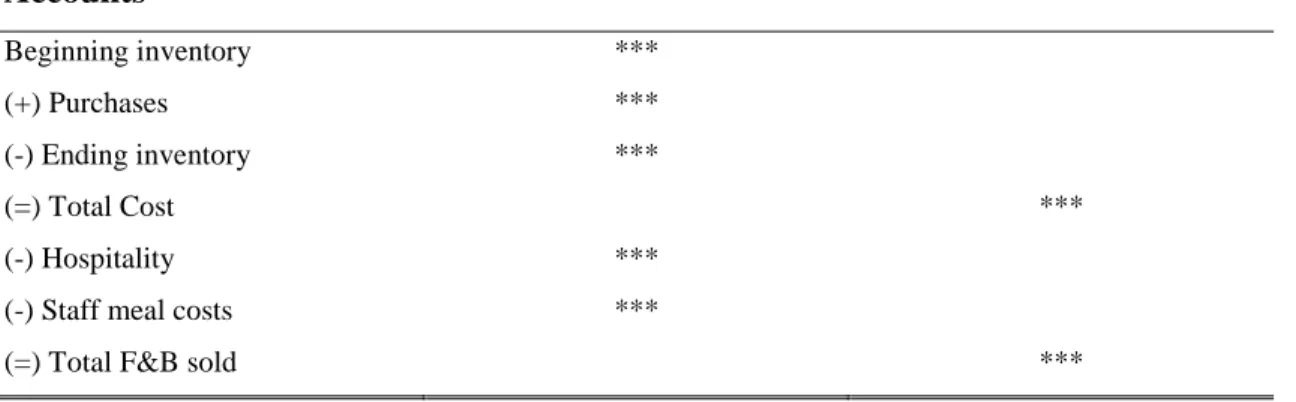
Table 1: Calculating Mechanism for a Dish in the Hotel Menu ... 91
Table 2: Food & Beverage Cost Calculation the hotel ... 93
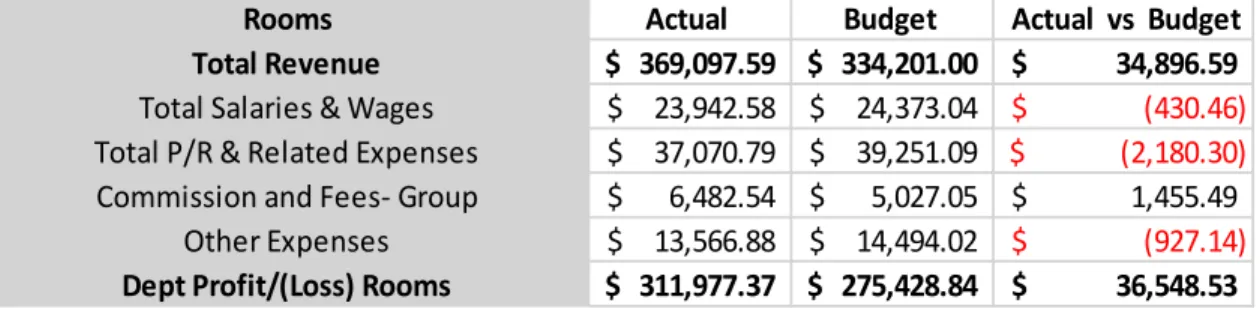
Table 3: Traditional Budget in Hotels ... 94
Table 4: Estimate Expenses in Hotels ... 95
Table 5: Hotel Energy Consumption in August ... 104
Table 6: Hotel Departments Area ... 104
Table 7: Electricity Usage ... 105
Table 8: Energy Consumption Based on Section Area ... 105
Table 9: Management Consumption in Food and Beverages Section ... 106
Table 10: Cost Price for the Management Consumption in Food and Beverages Section ... 107
Table 11: Linen Washing Report... 108
Table 12: Uniform Washing Report ... 108
Table 13: Managers Laundry in August ... 109
Table 14: Total Food & Beverage Purchases ... 110
Table 15: Purchases of other sections ... 110
Table 16: Employees’ Salaries Analysis ... 111
Table 17: Rooms Accommodation Activities ... 113
Table 18: Food & Beverage Activities ... 114
Table 19: Laundry Service Activities ... 115
Table 20: Parking Activities ... 115
Table 21 : Renting Shops Activities ... 116
Table 22: Health Club Membership Activities... 116
Table 23: Auxiliary Departments ... 117
Table 24: Number of Contracts and Agreements signed ... 118
Table 25: Sales & Marketing Department Activities Cost ... 118
Table 26: Number of Working Hours ... 119
Table 27: Housekeeping Activities Cost ... 119
Table 28: Number of Orders Done by the Maintenance Team ... 120
Table 29: Maintenance Activities Cost ... 120
Table 30: Human Resources and Training Department Activities Cost ... 121
Table 31: Laundry Activities Cost ... 122
Table 32: Laundry for Productive Department ... 123
Table 33: Number of Guests Who Visited Each Department ... 123
Table 34: Car Valet Activities Cost ... 124
Table 35: Number of Guests Who Visited Each Department Regarding Security Department ... 124
Table 36: Security Department Activities Cost ... 125
Table 37: Number of Accounting Record Related to Each Department ... 126
Table 38: Accounting Departments Activities Cost ... 126
Table 39 : Staff Canteen Activities Cost ... 127
Table 40: Contribution Rate in Total Income for Productive Departments ... 128
Table 41: General Management Activities Cost ... 128
xiv
Table 43: Utilities-Energy Consumption According Separate Meter ... 129
Table 44: Utilities-Energy Consumption Activities Cost ... 130
Table 45: Number of Technological Devices on Productive Sections ... 131
Table 46: IT Department Activities Cost ... 131
Table 47: Number of Calls Related Productive Sections ... 132
Table 48: Call Center Activities Cost ... 132
Table 49: Rooms Division Activities Cost ... 134
Table 50: Food & Beverage Division Activities Cost ... 136
Table 51: Health Club Department Activities Cost ... 138
Table 52: Laundry Service Activities Cost ... 139
Table 53: Laundry for Productive Department ... 140
Table 54: Parking Service Activities Cost ... 141
Table 55: Renting Shops Activities Cost ... 142
Table 56: Full Hotel Cost Calculation ... 142
Table 57: ABC for CPA ... 144
Table 58 : TCS for CPA ... 144
Table 59: The Activities Utilization for the Financial and Operational Resources in the Rooms Division ... 147
Table 60: The Distribution of the Costs of the Rooms Division of the Total Hotel Costs ... 149
Table 61: Sales, Cost and Profit Performance for the Rooms Division from the Full Hotel Amounts ... 150
Table 62: Rooms Division Performance ... 150
Table 63: The Activities Utilization for the Financial and Operational Resources in the Food and Beverages Division ... 151
Table 63: (continue) The Activities Utilization for the Financial and Operational Resources in the Food and Beverages Division ... 152
Table 65: The Distribution of the Costs of the Food and Beverages Division of the Total Hotel Costs ... 153
Table 66: Sales, Cost and Profit Performance for the Food and Beverages Division from the Full Hotel Amounts ... 154
Table 67: Food and Beverages Division Performance ... 154
Table 68: The Activities Utilization for the Financial and Operational Resources in the Health Club department ... 155
Table 69: The Distribution of the Costs of the Health Club department of the Total Hotel Costs ... 157
Table 70: Sales, Cost and Profit Performance for the Health Club department from the Full Hotel Amounts ... 158
Table 71: Health Club department Performance ... 158
Table 72: The Activities Utilization for the Financial and Operational Resources in the Parking Service ... 159
Table 73: The Distribution of the Costs of the Parking Service of the Total Hotel Costs ... 160
Table 74: Sales, Cost and Profit Performance for the Parking Service from the Full Hotel Amounts ... 160
xv
Table 76: The Activities Utilization for the Financial and Operational Resources in the
Laundry Service ... 161
Table 77: Laundry for Productive Department Ratio ... 162
Table 78: The Distribution of the Costs of the Laundry Service of the Total Hotel Costs ... 163
Table 79: Sales, Cost and Profit Performance for the Laundry Service from the Full Hotel Amounts ... 163
Table 80: Laundry Service Performance ... 164
Table 81: The Activities Utilization for the Financial and Operational Resources in the Renting Shops ... 164
Table 82 :The Distribution of the Costs of the Renting Shops of the Total Hotel Costs ... 165
Table 83: Sales, Cost and Profit Performance for the Renting Shops from the Full Hotel Amounts ... 165
Table 84: Renting Shops Performance ... 165
Table 85: The Estimated Sales Volume for Each Department and Services ... 170
Table 86: Rooms Division Activities Structure ... 172
Table 87: Food & Beverage Division Activities Structure ... 173
Table 88: Health Club Department Activities Structure ... 174
Table 89: Renting Shops Activities Structure ... 174
Table 90: Laundry Service Activities Structure ... 175
Table 91: Parking Service Activities Structure ... 175
Table 92 : Total Variable Room Division Activities Cost ... 176
Table 93: Total Fixed Room Division Activities Cost ... 177
Table 94: Total Expected Activities Cost for Rooms Division ... 178
Table 95: Total Expected Activities Cost for Food & Beverage Division ... 179
Table 96: Total Expected Activities Cost for Health Club Department... 181
Table 97: Total Expected Activities Cost for Laundry Service ... 182
Table 98: Total Expected Activities Cost for Parking Service ... 183
Table 99: Total Expected Activities Cost for Renting Shops ... 183
xvii
LIST OF FIGURES
Page
Figure 1: Technique for Allocate Costs Based on ABC ... 10
Figure 2: Relationship Between Activities in the Facility (Awad, 2009:35) ... 11
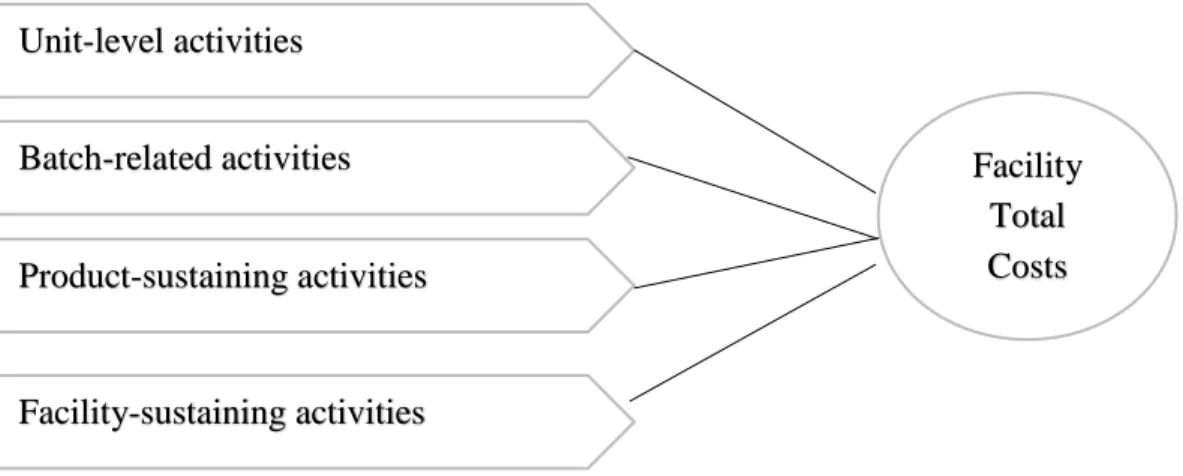
Figure 3: (Facility Functions, Departments Functions and Departments Activities (... 19
Figure 4: Hierarchical Organization of the Facility Costs According to Activities (Khalel, 2016:.34) ... 20
Figure 5: Cost Drivers Levels ... 21
Figure 6: Activity-Based Costing (ABC) (Awad, 2009:26) ... 27
Figure 7: Traditional Costing System (TCS) (Awad, 2009:26) ... 27
Figure 8: Traditional Costing System (TCS) VS Activity-Based Costing (ABC) ... 28
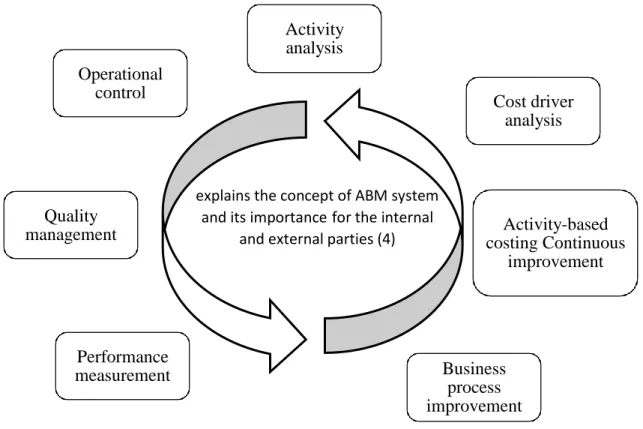
Figure 9 : ABM System and its Importance for the Internal and External Parties ... 32
Figure 10: The Relationship Between ABC and ABM (Bahnub, 2010:7)... 35
Figure 11 : Using ABM for Operational Improvements and Strategic Decisions ... 39
Figure 12: Integration of the ABM System and the ABC System ... 41
Figure 13: ABM Outputs ... 43
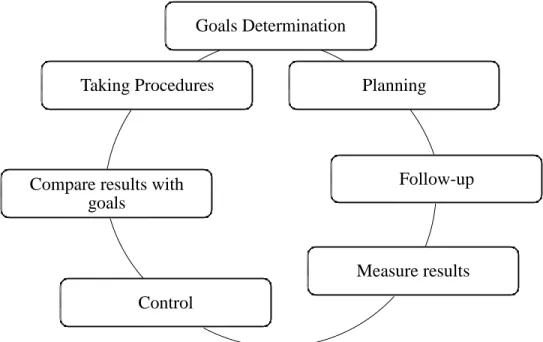
Figure 14: The Relationship Between the Management Functions ... 51
Figure 15: Planning and Control Role in Budgets (Hansen and Mowen, 2003) ... 53
Figure 16: The Objectives of the Estimated Budgets and How They Work (Al-Najjar, 2006:22) ... 56
Figure 17: Estimated Budgets According to the Time Period (Horngren, Sundem and Stratton, 2005:131) ... 56
Figure 18: Comparison Between TBS system and ABB ... 65
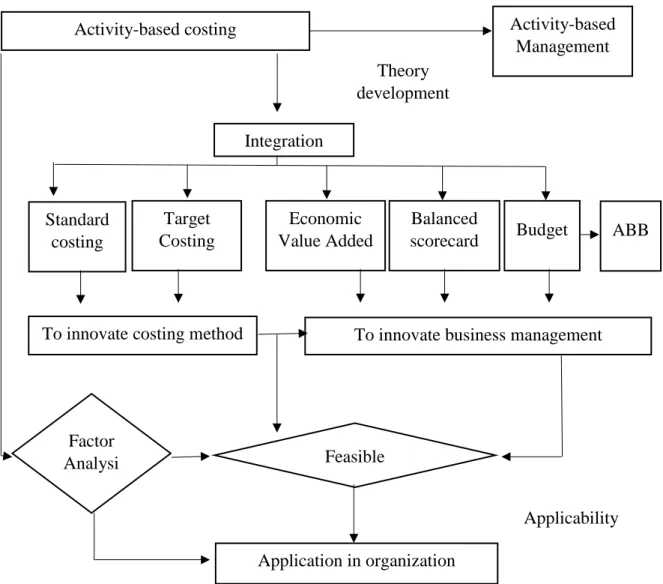
Figure 19: The Integration Between ABC, ABM and ABB Systems ... 71
Figure 20: The Mechanism of ABB Reverse of ABC ... 76
Figure 21: Four Stages to Prepare Budgets Successfully ... 78
Figure 22: The Difference Between the Actual and the Estimated Budgets ... 97
Figure 23: Proposal Activity Based Model in Hotels ... 97
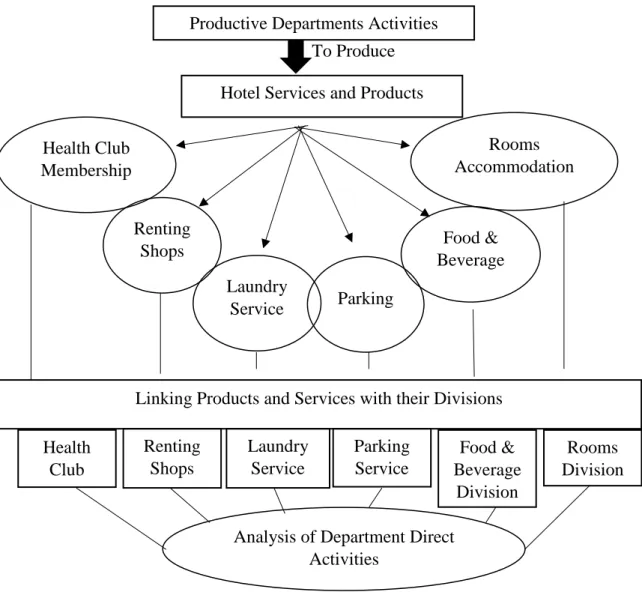
Figure 24: Analysis the Hotel Services and Products and link them to Department ... 98
Figure 25: Identify Activities for Auxiliary Departments ... 99
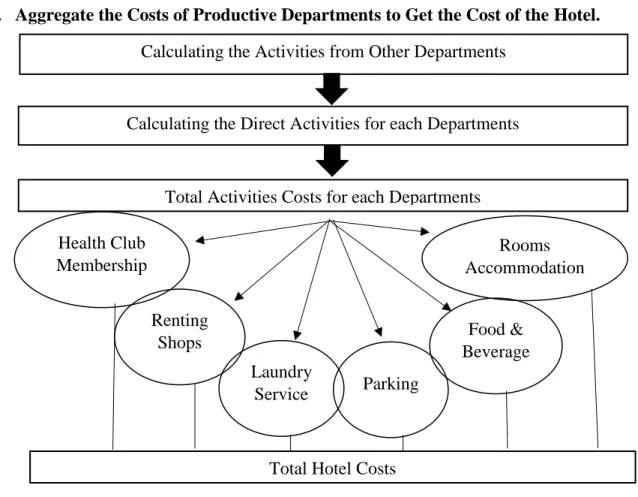
Figure 26: Aggregate the Costs of Productive Departments to Get the Cost of the Hotel ... 100
Figure 27: Make decisions according on the outputs of the ABC system ... 101
Figure 28: Prepare the Estimated Budgets According to the Outputs of the ABC and ABM systems ... 102
Figure 29: Hotel Products and Services ... 112
Figure 30: Auxiliary Departments Assist the Productive Departments ... 133
Figure 31:ABC for the Rooms division ... 143
Figure 32:TCS for the Rooms division ... 143
Figure 33: ABM Implementation Mechanical ... 145
xviii
Figure 35: Hotel Costs ... 166
Figure 36: Cost Breakdown ... 167
Figure 37: Gross Profit with Related Revenue ... 168
Figure 38: Applying steps of the ABB System in The Hotel ... 170
xix
AKTİVİTE TABANLI MALİYET, YÖNETİM VE BÜTÇELEME, OTEL SEKTÖRÜNE UYGULAMALI
ÖZET
Bu çalışmanın amacı, otelcilik sektöründe Faaliyete Dayalı Model uygulamasının başarısını belirlemekte olan bu model, ürün ve hizmetleri içeren yeni bir yapı inşa etmek için faaliyete giren Faaliyete Dayalı Maliyetleme ile başlayan üç ana eksenden oluşmaktadır. Bu ürünler ve servisler tarafından tüketilen, doğrudan veya dolaylı olarak ve ardından bu faaliyetlerin her birinin maliyetini doğru bir şekilde ve etkinliği ürünle ve hizmetle ilişkilendiren Maliyet Sürücüsüne bağlı olarak belirleyip ardından her hizmet veya ürün için bu faaliyetler için maliyet havuzu oluşturarak bağımsız olarak ve hizmetler ve ürünler için bu maliyet havuzunun toplamı, ürünleri ve hizmetleri etkinliklerle bağlayacak şekilde otelin toplam maliyetidir, bu faaliyetler farklı otel kaynaklarını tüketir. Bu durumda rol ikinci eksende, yani Faaliyete Dayalı Yönetim sistemi, katma değer etkinliğini iyileştirmek amacıyla Girdi olarak Faaliyete Dayalı Maliyetleme verilerini kullanarak katma değeri olmayan faaliyeti sınırlandırmak, bu şirketin kârlılığını arttırmak ve katma değeri yüksek ürünler sunmak için yol açacaktır; ayrıca yöneticilerin operasyonların performansını iyileştirmelerine ve faaliyetleri analiz ederek maliyetleri düşürmelerine yardımcı olmak için tasarlanmış bir araçtır ve Yöneticilerin ürünlerin maliyetini belirlemek için daha doğru yöntemler geliştirmelerine yardımcı olmak için. Faaliyet Tabanlı Bütçeleme, faaliyet felsefesine dayalı Faaliyet Tabanlı Maliyetleme verilerini de kullanır ve bütçe performansının genel kriteridir, Faaliyete Dayalı Maliyetleme'ye ayrılır ve Ürüne değer katmayan belirli faaliyetlere veya faaliyetlere tahsis edilmemiş maliyetleri dahil etmeyin, ürünlerin büyüklüğünü belirlemek ve daha sonra belirli bir süre için işi yapmak için gereken faaliyet seviyesini belirlemekle başlayan bir finansal plandır.
Anahtar Kelimeler: Faaliyet Tabanlı Model, Faaliyet Tabanlı Maliyetleme, Faaliyet Tabanlı Yönetim, Faaliyet Tabanlı Bütçeleme, Maliyet Sürücüsü
xxi
ACTIVITY BASED COSTING, MANAGEMENT AND BUDGETING, WITH AN APPLICATION TO THE HOSPITALITY SECTOR
ABSTRACT
The aim of this study to determine the success of the application of the Activity Based Model in the hospitality sector, this model consists of three main axes which start from Activity Based Costing that works to build a new structure containing products and services and all the activities consumed by these products and services, whether directly or indirectly and then determine the cost of each of these activities accurately and depending on the Cost Driver that links the activity with the product And service and then make cost pool for these activities for each service or product independently and the sum of these cost pool for services and products is the combined cost of the hotel, in a way that links products and services with activities, these activities consume different hotel resources., The role then comes on the second axis, namely the Activity-Based Management system this using the Activity Based Costing data as an input in order to improve the added value activity and eliminate the non-value-added activity, this will lead to Increase the profitability of the company and provide products with high value added, also it is a tool designed to help managers improve the performance of operations and to reduce costs by analyzing activities, and to help managers to develop more accurate methods to determine the cost of products., Activity Based Budgeting is also used the Activity Based Costing data based on the philosophy of activities and are the general criterion for budget performance, they are allocated to Activity Based Costing and do not include any costs not allocated to specific activities or activities that do not add value to the product, it’s a financial plan that starts with determining the size of the products and then determining the level of activity required to perform the work for a certain period
Keywords: Activity Based Model, Activity Based Costing, Activity-Based Management, Activity Based Budgeting, Cost Driver
1
I.
INTRODUCTION
Many good results came from applied the Activity Based Models (ABMs) to companies this include (ABC, ABB and ABM). Most researchers confirm that industries that chose this model may have a lot of benefits and they will develop their strategy. (Horngren, Datar and Rajan, 2015:131) mention that the purposes for adopting ABSs in the all industries: production techniques, products life is getting short, competitive pressure, diversity in type of services, inaccurate cost determination of overhead costs and the costs of operating and developing the ABM have reduced by the computer technology
The essence of the budget document by being the most important tool in the extent to which the company achieves its goals, so in the past all the offers Was gone to develop and to improve the budget by focused on the inputs like staffing and general resources, however now we have something different, the efficiency, effectiveness, and the activities cost that listed on the budget are under the microscope with the development of a culture of accountability .The scientific management methods and strategic planning methodologies that are used to Prepare the budget, provides strong that its result is the calculation of the exact price of the services and products, helps the diction maker by providing all the information required. Among these techniques is Activity Based Management that is a useful technique to study the factors affecting the performance of the operating budgets of originations
There is a widespread recognition that the world is changing, the Activity Based Management is a procedure that originated in the at the beginning of the eighties for analyzing the processes of a business to identify weaknesses and strengths and now a day is an important role helps the managers to seeks out areas where a business is losing money so that those activities can be eliminated or improved to increase profitability. Activity Based Management goes through all department on the organizations by analyzes the costs of employees, equipment, facilities, distribution, overhead and other factors in business to determine and allocate activity costs.
2
The Activity Based Management improve the efficiency and the effectiveness by analysis the cost activity, the resource is traced to activates to facilitate evaluation of these activates. the Activity Based Management begin by determine major activates then identify resources used by each activity thereafter evaluate the performance of the activists afterwards identify ways to improve the efficiency and/or effectiveness of the activates Activity Based Management goes together with both Activity-Based Costing and Budgeting. Therefore, with the increasing success of Activity Based Costing system the way in which companies operated start changing. This required the budgeting and management system of firms to be in line with Activity Based approach, thus leading to the implementation of Activity-Based Budgeting and Activity Based Management which were complementary to the successful running of Activity Based Costing system. Basically, managers use Activity-Based Costing and budgeting to make decisions about the company. Usually, the goal of Activity-Based Management is to try to improve the business’ customer satisfaction and profitability. Activity-Based Management (ABM) is an approach to management in which process managers are given the responsibility and authority to continuously improve the planning and control of operations by focusing on key operational activities. ABM strategically incorporates activity analysis, Activity-Based Costing (ABC), Activity-Activity-Based Budgeting, life cycle and target costing, process value analysis, and value-chain analysis. Enhanced effectiveness and efficiencies are expected for both revenue generation and cost incurrences. Since the focus is on activities, improved cost management is achieved through better managing those activities that consume resources and drive costs. The focus for control is shifted away from the financial measurement of resources to activities that cause costs to be incurred.
As an overall framework, ABM relies on ABC information. ABC deals with the analysis and assignment of costs. In order to complete cost analyses, activities need to be identified and classified. An activity dictionary can be developed, listing and describing all activities within an organization, including information on each activity's location, performance measure(s), and key value-added and non-value-added attributes. ABC information is extremely helpful in the strategic analysis of areas such as process and plant layout redesign, pricing, customer values, sourcing, evaluation of competitive position, and product strategy.
3
Because costs are initially assigned from resource cost pools to activity cost pools and from there to final cost objects, Activity-Based Costing is viewed as a two-stage allocation process. Once activities have been identified, an Activity-Based Costing analysis can be completed. Activity-Based Costing is a form of cost refinement, designed to obtain greater accuracy than traditional allocations in cost assignments for product costing and decision-making purposes. Costs are assigned to activities from resource cost pools. Costs are first accumulated according to the type of resource, such as materials or labor, with which they are associated. Then resource (cost) drivers, which measure the consumption of a resource by an activity, are identified and used to assign the costs of resource consumptions to each activity. The result of this assignment is an activity cost pool for each activity. From the activity cost pool, the focus shifts to one or more activity drivers. An activity driver measures the frequency or intensity with which a cost object requires the use of an activity, thereby relating the performance of an activity's tasks to the needs of one or more cost objects. A cost object is why activities are performed; it is a unit of product or service, an operating segment of the organization, or even another activity for which management desires an assignment of costs for unit costing or decision-making purposes. The activity cost pools are then reassigned to the final cost objects according to the intensity with which each cost object used the respective activity drivers. A cost driver may be defined to be "any factor that has the effect of changing the level of total cost for a cost object" (Blocher et al., 1999:8). In general, four types of cost drivers can be identified: volume-based, activity-based, structural, and executional (Blocher, et al., 1999:61). Activity-Based Management focuses on Activity-Based Cost drivers. In investigating and specifying cost drivers, many methods are used, such as cause-and-effect diagrams, cost simulations, and Pareto analysis. Traditional cost assignment systems typically would assign directly to the cost objects the costs of those resource consumptions that can be economically traced directly to units of output requiring the resources. The remaining costs, referred to as indirect costs, would be accumulated into one or more cost pools, which would subsequently be allocated to the cost objects according to volume-related bases of allocation. When different products consume resources at rates that are not accurately reflected in their relative numbers (volumes), a traditional cost allocation approach will result in product cost cross-subsidization. That is, a high-volume, relatively simple product
4
Will end up over costed and subsidizing a subsequently under costed, low-volume, relatively complex product, resulting in inaccurate unit costing and suboptimal product-line pricing decisions and performance evaluations. Activity-Based Costing tries to take the no uniformity of resource consumption across products into account in the assignment of costs.
Recently the number of the hotels in Jordan are Increasing with the passing of days, the competition become more difficult, so all hotels trying to keep them share of market and to increase their profit without detraction the quality of the services and by reducing the cost, that’s why they are moving to a new advanced managerial system and cost system to controlling the cost at all stages until reaching the final services for the guest after that to implementing the Activity Based Management and the Activity Based Budgeting , to complete the whole modern system
The main objective of this study applying the ABB, ABC, ABM at CROWNE PLAZA AMMAN and study the result of the implementation from this model and what helps the manager to make decision and preparing the budget under this model and we can provide more sub objective from the main objective:
• To know the ABB, ABC, ABM terms of concept, ingredients and characteristic of their use
• The main role of ABB, ABC, ABM to reduce the cost of services served at hotel. • Crate a philosophy to link the ABB, ABC, ABM between each other to know their
role by reducing the cost
This research deals with a model based on the activity and the most important definitions associated with this research:
Activity Based Costing: A system combines the indirect cost for every activity for the origination activities in cost center after that allocate this cost on the final products or services determined by causes or guidelines based on the causal relationship (Horngren, Sundem and Stratton, 2005:131)
5
Activity Based Management: tool designed to help managers improve the performance of operations and to reduce costs by analyzing activities, analyzing cost drivers and measuring performance (Roberts, Muras and Paschall, 2002:621)
Activity Based budgeting: The style of budgeting methods has been developed based on cost and activity that’s mean the Activity Based Costing
Activity: is any action or event or task performed by the Facility and cause the cost driver (Abu hashesh, 2011:464)
Budget: A financial translation of a quantitative plan covering all aspects of the project activity for a future period in a comprehensive and coordinated manner, approved by, and associated with, the influential officials and an objective on which to monitor the results of the actual implementation of the control and enable the Department to take corrective actions to address deviations and achieve maximum efficiency (Abu Rahma, 2008) Cost Driver: Quantitative measure of activity output, the choice of the cost-of-activity factor reflects a fundamental point between accuracy and measurement cost (Al-Qabbani, 2009:47)
7
II.
ACTIVITY BASED COSTING (ABC)
A.
INTRODUCTIONThe cost accounting helps the management in all levels to masseur and analysis the costs, and providing the financial information and showing the profit and loss and the and the statement of financial position at the end of the financial period , with time the cost accounting become more managerial tool which is cost management by using the modern accounting model which have important role in the planning of costs and control of their occurrence, through the so-called life of the service, which helps to achieve the objectives required and the most important of these goals reduce costs because of its impact in addressing the challenges and current and future challenges .
The increasing number of hotel groups, which were followed by developments in all areas in the provision of services and products in these hotels, which led to an increase in the proportion of indirect costs in all hotel departments at the expense of direct costs, all this was caused by the reduction in the use of traditional methods in the calculation of costs, especially the method used to charge the Indirect costs on products and services provided These reasons and the increase in the number of hotels and the expansion of their activities and services and features in the same field, was the reason for the need to reduce costs in order to reduce the prices of services and products, and able to compete and defends its share in the market, which led to the search for advanced methods in the division of labor and privatization and control of the cost elements In order to know sites of waste, loss and damage
These developments have contributed to the need to manage the necessary information on how the performance of the different sections in the hotel, which led to the development of the cost accounting system, which was the reason for the transition to new systems that help management in planning and control and make decisions
8 B. COST ACCOUNTING
An analytical tool that is controlled by a set of scientific principles and applied by the cost accountant in order to track, record and analyze cost elements of materials, labor and services, and link this cost element to units of products or services, in order to measure costs in addition to control to reduce them and support management in making decisions from among the available alternatives to reach the maximum degree of sufficient managerial productivity (Al-Maqaseed, 2011:22)
And also defined as the A set of methods and procedures used to collect, tabulate and record cost data and analyze it in order to calculate the costs of production, services or various activities in order to provide the necessary information for the administration for the purposes of pricing and practicing administrative functions and performance evaluation (Al-Rubaie, 2008:16)
C. COST ACCOUNTING OBJECTIVES
The purposes of cost accounting are numerous by the multiplicity of goals that the various projects seek to achieve, they are not an aim in themselves, but are a means to achieve many of the goals, and the most important objective:
1) Measurement of cost of each component of costs used in production, stages, centers and product categories, to assist management in making appropriate decision
2) Control costs and reduce the cost of units, which has a significant impact on performance control and cost control
3) Raise effective and efficient management work during the practice of its various functions of planning, organization, guidance and control, by drafting financial reports to help management making appropriate decisions in a timely manner
4) Help the administration in the preparation of the estimated budgets and the formulation of appropriate and correct price policies for different products and services in all forms at all levels
5) Aimed at economic development at the national level through achieving economic savings and full exploitation of available productive capacities
9 D. ACTIVITY BASED COSTING SYSTEM
The Activity Based Costing System aims to achieve greater accuracy in calculating the indirect costs of the activity unit leading to a more accurate measurement of the cost of that unit. Rather than relying on the traditional method of linking the indirect cost components to the cost centers, , Then the allocation of production centers to the unit of the product according to the basis of arbitration does not lead to a fair distribution of indirect costs, and then access to an inaccurate measurement of the cost of the production unit, it becomes the use of the input of the Activity Based Costing when determining the relationship between the activity unit and materials (cost elements) They are creates Demand for activities and activities creates demand for resources (Alfadel et al,2007:35)
E. ACTIVITY BASED COSTING SYSTEM DEFINITION
The Activity Based Costing System is defined as:
A system combines the indirect cost for every activity for the origination activities in cost center after that allocate this cost on the final products or services determined by causes or guidelines based on the causal relationship (Horngren, Sundem and Stratton, 2005:131) It is an integrated cost system through which the cost of the product unit can be obtained. It includes components of the complete system of inputs, processes and outputs (Al-Tikriti, 2017:164)
The system is also defined as a way to improve traditional cost activities by focusing on activities as basic purposes, by allocate the indirect costs or cost of materials to the activities that benefit from them therefore the cost of these activities is therefore allocated to products according to the rate of utilization of these products Activities (Hijazi, 2012:99), and the following chart shows example for the needed technique for Allocate costs based on ABC on CPA
10
Figure 1: Technique for Allocate Costs Based on ABC
F. ACTIVITY DEFINITION
Activity is any action or event, or task performed by the Facility and cause the cost driver (Abu Hashish, 2011:464)., In the hotel the process of marketing services is an activity, and the process of selling this room or meal is an activity, and the process of preparation is an activity, and the management of these operations in the hotel is an activity
Also, the activities knowns as the Events, tasks or work units related to a object. (Al-Jakhlub, 2007:28)
G. ACTIVITY TYPES
The activities are divided into four types (Al-Dalahmah, 2014:292)
• Input activities: These activities are related to the preparation and readiness of the product industry such as the activity of purchasing raw materials
• Operations Activities: These activities are related to manufacturing operations and preparation of the product to be ready for sale or use and the activity of storage the goods under operation
• Output activities: These activities are related to the sale of the product and these activities deal with customers in relation to the completion of sales and after that the financial collection and so on
Calculate the indirect cost for the rooms cost
The cost for the room nights in the hotels Cost center for
housekeeping activity
Cost center for the maintenance activity
Cost center for front office activity
11
• Administrative Activities: These are activities that assist and support the activities of the input activities, operations activities and the outputs activities and examples of them are the accounting department,
The Activity Based Costing if the final products do not consume the resources of facility, but it consumed by the activities. These activities consume the resources of the facility of raw materials and labor. Therefore, the indirect costs which are added to the products and services must be based on the activities consumed by these products and services, which leads to accurate costs allocation to achieve fairness and accuracy in calculating the cost, and the following chart showing the Relationship between activities in the facility.
Figure 2: Relationship Between Activities in the Facility (Awad, 2009:35)
They can also be classified in terms of the value they add to:
1) Value Add Activity: Which is the activity for which customers are willing to pay for it. For example, the distribution activity of products is a value adding activity as well as the acquisition of materials and the main manufacturing activities (Fadhal et al. 2007:16) 2) Non Value add Activity: Which are all activities that do not increase the value of the activity itself, and therefore do not add value to the product and often these activities are the waste for the firms as a result of the performance of these activities, so it is necessary to reduce these activities so that the cost can be reduced without reducing the quality of the product that delivered to the customer , Such as the activities of storage of raw materials or complete goods they do not add value from the point of view of the client as well as the activities of the accounting department, these activities cannot be dispensed but must be reduced (Al-Mashal, 2005:51)
Administrative Activities
12 H. COST DRIVER
The Cost Driver can be Defined as:
Quantitative measure of activity output, the choice of the cost-of-activity factor reflects a fundamental point between accuracy and measurement cost (Al-Qabbani, 2009:47) It can also be defined as the factor that leads or directs the costs of the activity related to the presentation of a certain cost towards a certain behavior and within the appropriate range and during a certain period. The cost driver the is effective additions made by the system ABC in the field of performance improvement and there are several classifications of the cost driver we will review the most important (Hijazi 2012:114)
1. According to the Stage of Treatment of Costs
Cost driver are classified according to this basis into two groups:
a. Resource drivers: the causes of the cost of the first stage they are the reasons for the allocation of resources on activities and are therefore used to link the costs of resources activities
b. Activity drivers: The causes of the cost of the second phase: They are the causes of the depletion of activities by the products (cost purposes) and are therefore used to link activities with products
c. Carla Mendoza has divided the causes of the activities into two subgroups
i. Causes related to repeated operations: It is a process that we use in the case of consumption of the product for the same time of activity (the condition of the standard products)
ii. Factors related to special operations: Which are related to the consumption of
resources as well as the time varies according to the purpose of cost (the case of production love orders or according to certain characteristics)
2. By Grade of Cost of Activities
13
a. Cost factors at the level of produced units (production volume): These are factors that consume some resources in proportion to the volume of products and thus are related to the activities performed each time the product alone produces.
b. Cost factors at the payment levels: They are the causes that consume resources every time a product is produced. Costs are generated at the level of production payments, depending on the number of production payments and not on the number of units produced. In other words, there is no relationship between the costs of payment and the volume involved Batch of units.
c. Cost factors at the level of production: the factors that’s arise from the necessity of support production of each type of product by these activities, Therefore, the causes at this level can be linked to some products without the other "such as the activity of the examination of some products or issuing orders for engineering modifications to meet the specifications required of customers
d. Cost factors at the level of factory: these are the causes of public support activities that are necessary to support the manufacturing and production processes of the organization and involve all kinds of products. However, in fact, it is difficult to identify the causal relationships between these activities and the various cost purposes therefore, these causes are identified in many institutions in a traditional way
I. ABC HISTORY AND STAGES OF EVOLUTION
The ABC start from the activity management system and nowadays become different system within three stages ( Awad, 2009:28)
1. Activity Management (AM): focus on the value chain more than the accounting and the financial analysis and Discover and exclude activities that’s do not add value to the chain by using (Just-In-Time, JIT), and develop the activities that’s already has value to the chain
2. Activity Costing Accounting (ACA): this stage makes sure that’s all the costs were minimized or divided by tracing the activity and the relationship between these activates and determination of cost drivers
14
3. Activity Based Costing (ABC) : this system is based on the Allocation of additional costs more accurately by dividing different activities in to multiple levels then allocate the cost of these activities to cost elements using cost probes this related to an appropriate causal relationship with the elements of cost and therefore misleading results is avoided due to the conventional system.
Several factors have led to a shift from traditional accounting to the ABC system.
a. Perhaps one of the most important factors that led to the shift toon the cost system on the activity is the industrial development and the use of technology which was the credit that led to the development of the productive cycle based on steps and not arranged according to the processing or organization of individuals.
b. The increase in the indirect industrial costs and the steep drop in the costs of the direct payroll as a result of the multiplicity of products that require the emergence of a new production functions such as re-engineering of production processes research and ongoing training this in turn resulted in an increase in indirect costs of more than %50 of the total cost, direct wags fall by 5-10%
c. The emergence of sharp competition both in domestic and global markets led firms to reduce costs and diversity products.
d. Cost accounting is no longer limited to commodity by pricing but has emerged with new functions while supporting management decisions.
J. THE MOST IMPORTANT REASONS THAT LED TO SWITCH TO ABC
There is a lot of reasons that’s lead to switch from the traditional system to the ABC, and the most important reasons is (Khalel, 2016:23)
1. The weakness of the traditional system of cost distribution, and its inability to properly determine these costs, which is difficult to control over costs
2. The accuracy of the data provided by ABC system, and how this system can help the management on the decisions taking like the pricing decision, reducing the production cost and improving the performance of the company, and all this increased the competitiveness of companies.
15
3. The ABC system distributed the indirect costs fairly, and these costs are the main problem of the traditional system
4. With the development of technical systems in companies and this development led to increased indirect costs in companies, which gave the importance of the application of a system capable of allocating indirect costs fairly
K. THE BEGINNING OF THE APPLICATION OF THE ABC SYSTEM IN THE COMPANIES
The actual application of the ABC system began at the beginning of the 1980s in the United States. This system was used in the productive institutions, and the results achieved at that time were a strong incentive for service companies to adopt this system. the most important factors that led the enterprises to apply this system, is the increasing expansion of production lines, the life cycle of products became Shorter than before, the importance of the indirect cost in the products structure, the difficulty determining the selling price, the need to reduce the costs to meet the competition, calculate the additions costs of applying the quality control system, the attention Of the officials of the interests of Supporting activities to the Need to control expenditures at each level and the necessity to control the pre-production costs.
Several institutions, especially those adopt the system for long time have been able to achieve several satisfactory result like reducing the products cost, Improving the product quality, developing the processes, Increasing the adequacy of the costs management, Improving the performance measurement, improving the product pricing process, build a strong cost control system, accurate analysis of customer profitability, develop new inventory valuation methods.
L. THE IMPORTANCE OF APPLYING ABC SYSTEM
16
1. At a time when competition among companies has increased, and in order to keep profitability at the same level as current prices, companies are aiming to apply a cost accounting system more accurately.
2. Change in cost components as a result of the decrease in the direct labor component against the extraordinary increase in indirect costs, one of the reasons for implementing a system for allocating indirect costs in a fair and accurate manner 3. The diversity of products and the increased differences between them in terms of
specifications, size and degree of complexity in the manufacturing process lead to different activities and the level of effort required to produce these products. Therefore, the relationships between the activities and the costs resulting from them are very important, the activities are the consumer's cost-consuming resources, the products consume activities and therefore the activities must be determined so that the cost is precisely defined
M. THE ADVANTAGES AND DISADVANTAGES OF APPLYING ABC SYSTEM ACCORDING TO CIMA
1. The most important advantages from applying the ABC system according CIMA a. ABC provides a more accurate method of costing of products and services. b. It allows for a better and more comprehensive understanding of overheads and
what causes them to occur.
c. It makes costly and non-value adding activities more visible, so allowing managers to focus on these areas to reduce or eliminate them.
d. It supports other management techniques such as continuous improvement, scorecards and performance management.
2. And the most important disadvantages from applying the ABC system according CIMA
a. ABC can be difficult and time consuming to collect the data about activities and cost drivers.
17
c. Even in ABC some overhead costs are difficult to assign to products and customers. These costs still must be arbitrarily applied to products and customers.
N. ABC SYSTEM ASSUMPTIONS
The ABC system mostly dependent on a set of assumptions that help in the process of enhancing the mechanism of the system and achieving its objectives. The most important of these assumptions (Al-Mousawi, et al. 2010:20)
1. The first Assumption-Activities consume resources : the resources consumed by the activities within the organization and the consumption of resources leads to the creation of costs.
2. The second Assumption-Products are consumed by activities: that’s mean the demand on the product is the resource behind activities.
3. The third Assumption-The system is based on the thought of consuming resources rather than spending them: The system examines the causes of costs. It measures changes in the level of resource consumption and does not measure the change in the level of expenditure
4. The fourth Assumption: There are many activities that can be identified and measured, and these activates link between the costs of a single cost center and these activities measure the relationship between the cause and the resultant consumption of resources 5. The fifth Assumption: The cost pools must be homogeneous, this mean that’s each
cost center must follow one activity only
6. The sixth Assumption: The costs in each compound are quite commensurate with the activities, this means that’s all costs in the one cost center must change in the change of the activity level
O. SUCCESS ELEMENTS OF APPLYING ABC SYSTEM
The organization must provide several factors for the successful implementation of the system, the factors are as follows (Al-Mousawi et al., 2010:.23):
18
1. Corroboration and support from the top management: The implementation of the ABC system need time and money so the top management support very important for the success of this system
2. Link the performance correction with rewards :when the employee feels that’s the implementation of the ABC system is beneficial to his self-performance and his promotion then he will do his best to implement the system in good way
3. Champion of Change: that’s mean any employee has a high skill and has a behavioral influence in the organization and can convince others can make the change.
4. Training: this the most important factor for the success of the application of the system, and the training of all employees from senior management and even normal workers and introduce them to the benefits of the system and the accuracy of the information provided by this system
P. THE MAIN STEPS TO APPLY ABC
The main steps taken to implement the ABC system are very important for the success of this system and its proper application (Al-Tikriti, 2007:168)
1. PLANNING
The planning stage is one of the important stages in determining the success of the design and implementation of the ABC system in any company. At this stage, an appropriate team is prepared for the design and implementation of the system. This stage also identifies the problems facing the company and determines the type and level of information required of the decisions related to those problems, as well as solve the problems related to the current management environment and develop its working style in line with the new system.
2. IDENTIFYING AND ASSEMBLING ACTIVITIES
This stage is the beginning of the actual design of the system where the study of company and identify the nature of work in each department and how the process of production, where the level of accuracy and expansion in the analysis of activities depends on the management decision and the level of information required in order to obtain the highest
19
benefit with the lowest costs necessary to operate and maintain this system In general, the ABC system is based on the identification and analysis of activities from the beginning of ordering materials or services through the production process and ending with the activities of placing the product on the market
It is worth noting that if the activities are few, it is possible to allocate the cost of each activity using its own cost driver directly to the products, However, if there are a large number of activities, it can be grouped into cost pools so that each cost pool contains a number of activities where a single cost driver is used for each cost pool of activities, taking the following conditions in mind:
a. The cost pool should contain homogenies activates, that’s mean the cost driver following the cost pool contained highly related activates, in other words the change in the level of activity in the cost pool reflect change in the other activates
b. The costs in each cost pool completely suitable with activity where proportionality here means that all costs must be adjusted proportionally to changes in activity level. The analysis process begins by identifying the main functions of the company and then the organizational department necessary to achieve the goal of each job. Then, the study and analysis of the processes and events within each department to determine the activities. The following figure shows three levels: the first level shows facility functions and the second level show the departments functions and the third level shows the departments activates
Figure 3: (Facility Functions, Departments Functions and Departments Activities ( facility functions level Departments functions level Departments activates level Sales and marketing Management and accounting Rooms Rooms division Food and beverages Spa Housekeeping department Front office department Business center department Laundry departmen t Reservation services Guests Queries Check guest accounts
20 3. RECORD ACTIVITIES COSTS
After determining the activities and their processes, the costs of these processes are recorded for each activity. The cost of the activity is equal to the total cost of the processes for the specific activity, and to determine each activity the information available in the accounting records can be used, the necessary estimates are made when we didn't have clear information about any process. The following figure shows the hierarchical organization of the Facility costs according to activities
Figure 4: Hierarchical Organization of the Facility Costs According to Activities
(Khalel, 2016:.34)
4. DETERMINE THE ACTIVITY CENTERS
The activity centers are the section of the production process through which the management wishes to record the cost of activities. The choice of this ABC system design does not affect the cost of finished products. The effect is how to record this cost. The traditional system may record a certain product cost of $ 50, While the ABC record the same product cost of $ 30 for production activity and $ 20 for delivery, and the ability to record costs by activity centers gives managers greater control over activities
Unit-level activities Batch-related activities Product-sustaining activities Facility-sustaining activities Facility Total Costs
21 5. CHOICE THE COST DRIVERS
The cost driver concept in the ABC system is "the measure that reflects the underlying reason for the cost element within each activity or in the cost pool - the cost pool is the lowest level of detail at which the costs are aggregated and distributed whether it is a single activity or a combination of Activities have the same utilization rates – the cost driver should be chosen so that they involve a clear causal relationship with activities "(Abdullatif, 2003:355)
It is possible to link the costs of activities and the end product with the same methods used to link the costs of resources and activities (direct charging, estimation, arbitrary allocation) but the multiple types of products in most enterprises make the process of customization following the previous methods useless, so most ABC system designer’s uses the appropriate number of cost drivers. (Essa, 1995:.22)
Thus, in the ABC system, the cost driver is chosen in a more precise and objective manner depending on the nature of the activity being implemented. This process can be divided
into several levels shown in the below figure:(Hujair, 2003:86)
Figure 5: Cost Drivers Levels
In general, the cost drivers can be divided into two main types: (Essa, 1995:111)
a. Process-specific cost drivers: They are "Factors that focus on the number of times a single activity is performed and it is used if the product group needs the same amount
Unit level
Batch level
Customer level
Direct Labor hours, Direct cost
Purchasing raw materials, receiving materials Number of Orders Cost driver Number of times purchased, Number of Receipts
22
of activity", such as the number of times the kitchen equipment is maintained, the number of times the rooms are cleaned.
b. Time-specific cost drivers: They are "factors that concern the period required to produce a particular product and it is used if the volume of the activity to be varied varies according to the quality and quantity of the final product, such as the hours of the warehouse workers
And the trade-off between these two types of cost drivers is economic fundamentals, time-specific cost drivers are more accurate than Process-time-specific cost drivers but at the same time more expensive when applied.
It may therefore be economically feasible for several homogeneous activities to be grouped into a cost pool having one cost driver, but the problem is that the greater the number of activities collected in a single cost pool, the less likely it is to determine one cost driver. So, the cost drivers should be choice that make reduction in the cost of application of the system without compromising the accuracy of the target system (Brinson, 1991:3)
The following factors must be considered in determining the appropriate number of cost drivers (Attie, 2000:40):
i. Accuracy required in cost data:
The higher the number of cost driver, the more accurate the cost numbers, which means that whenever an entity wishes to increase the accuracy of cost reports, it will be necessary to increase the number of cost driver to achieve the required accuracy.
ii. Production diversity:
The greater the diversity of products produced by the establishment in terms of heterogeneity, the greater the number of cost drivers to reflect the different consumption of each product for the different activities, thus positive relationship between product diversity and the number of cost drivers.
23
In activities that are small in relation to the total incremental cost of an enterprise, it is best not to have multiple cost drivers even if each activity contains a heterogeneous set of works. In this case, it is important to choose a cost driver with the highest correlation with a group Cost for this activity.
If the cost of the activity increases to the total incremental costs of the enterprise, the use of one cost driver may result in a significant reduction in the level of accuracy desired in the cost data and the need to achieve homogeneity of the business performed within the activity and the cost associated with the activity cost driver
iv. Cost of compiling cost drivers’ data (Cost of measurement):
The higher the number of cost drivers required, the higher cost measurement for the costing system. If the cost driver is characterized by the difficulty of compiling its own costs, in this case it must be ascertained that the benefit of this expansion in the number of cost driver exceeds the cost of compiling the data of these drivers. Expanding the number of drivers will not increase the cost of measurement. In this case, it is appropriate to expand the number of cost driver to increase the accuracy of the cost data
Q. ABC SYSTEM APPLICATION LIMITATIONS
The system has been subjected to a lot of criticism because there are obstacles facing the applicants of this system, despite the advantages and benefits of this system, we mention the following criticisms (Hejazi, 2012:146):
1. The use of bases based on production volumes to allocate costs for activities at the general support level leads to an increase in total deviation, although the ABC system seeks to understand the actual cost drivers of each activity and these costs often account for the bulk of total indirect costs., As well as the specific need in some cases to use specific allocation rules are available and easy to use
2. Difficulty dividing the individual work time between several activities, especially if the activities are administrative and this leads to deficiencies in the accurate tracking of the costs of activities of products
24
3. The diversity and magnitude of activities within the organization sometimes lead to the complexity of the ABC system and make it incomprehensible to users
4. The system is more suitable for products with a relatively short lifecycle. Although the ABC system is accurate in tracking the costs distributed over the product life cycle, it needs to determine a judgmental period for products with a long-life cycle.
5. The homogeneous cost pools contribute to the simplification of calculations and the system in general, but these cost pools can include activities belonging to the inability of the cost driver assigned to them to accurately track the resources consumed to products
6. The ABC System definition of the cost driver has taken the hypothesis of the proportionality between cost and volume, but it does not take the potential impact of indirect costs on economies of scale and learning effects. Some studies have shown that indirect costs are not affected proportionally to the consumption of activities. 7. The introduction of the ABC system as one of the advanced information systems in
the organization is initially met with internal resistances (resistance to change) at the level of administrative levels due to changes affecting the authority of some officials by this system, as well as that the system reveals places of inefficiency and efficiency over the long term Opposed to maximizing short term profitability.
8. The ABC system can give good results only with the participation of officials at the practical level in the preparation of strategic objectives, and therefore some researchers stressed that the utilization of the system is only in the case of a comprehensive change of the administrative mindset in the institution and give customers paramount importance
9. The application of the system is a complex and comprehensive process and therefore consumes a lot of time, effort and money to operate this system, especially in large institutions that produce thousands of products and whenever the institution wants to reach a higher level of accuracy the more expensive the operation process
25
R. PROBLEMS ENCOUNTERED WITH THE IMPLEMENTATION OF AN ABC SYSTEM
In addition to the difficulties associated with the application of the ABC system, in terms of determining the activities and the homogeneity of the work component of each activity, as well as determining the quality and quantity of cost drivers, the application of this system may be faced by some other problems, the most important of which are: (Helles, 2007:14)
1. The problem of exploiting available energy
The unexploited fixed costs for the period of activity that lead to the non-exploitation of the available capacity of some activities, and these unused costs can be treated not to be charged to the products (goods, services but by inserting them as an expense or a general burden, but this treatment is an application of the modified total cost system , Which means distance from the ABC system philosophy that carries products at all costs, including indirect costs, accordingly, the variable costs of the activity can be allocated on a discretionary basis according to the capacity available for each department or production line regardless of actual use.
In order to reach a fair standard for calculating fixed costs, we must refer to the reasons that lead for the acquisition of these resources and fixed capacity:
a. Due to management's decision when processing the establishment's activities, unutilized costs can be considered and treated as overheads and not charged to products
b. Because of the nature of the combined activities in the cost pool because of the homogeneity between them that achieves a goal within the facility, the unutilized capacity costs can be charged to each activity regardless of the actual activity without charge it on the products, and therefore the unutilized fixed costs are the costs of the unutilized activities not benefited Of which production can be distributed between the activity (section) and public administration by calculate the percentage of capacity utilized in the activity (section)