ISTANBUL KULTUR UNIVERSITY INSTITUTE OF SCIENCES
A PROPOSAL FOR A TIME EXTENSION SPECIAL PROVISION FOR USE WITH STANDARD FORMS OF CONTRACT IN CONSTRUCTION
PROJECTS
PhD Thesis by
YİĞİT BEŞLİOĞLU
DEPARTMENT: CIVIL ENGINEERING PROGRAMME: PROJECT MANAGEMENT
SUPERVISOR: PROF. DR. ZEYNEP SÖZEN
ISTANBUL KULTUR UNIVERSITY INSTITUTE OF SCIENCES
A PROPOSAL FOR A TIME EXTENSION SPECIAL PROVISION FOR USE WITH STANDARD FORMS OF CONTRACT IN CONSTRUCTION
PROJECTS
PhD Thesis by
YİĞİT BEŞLİOĞLU 409110003
Date of defence examination: 06.10.2010
Supervisor and Chairperson: Prof. Dr. Zeynep Sözen Members of Examining Committee: Prof. Dr. Atilla Dikbaş
Assis. Prof. Dr. Ümit Dikmen
Assis. Prof. Dr. Gül Polat Tatar
Assis. Prof. Dr. Esin Ergen
ACKNOWLEDGEMENTS
I would like to express my thanks and sincere appreciation to my supervisor Prof. Dr. Zeynep Sözen for her understanding, guidance, wisdom and insight throughout this study. Without her valuable support, this thesis could not have been written. I am also grateful to Prof. Dr. Atilla DikbaĢ for his orientation on forming the general structure of the thesis as well as his helps on conducting the case study. I would like to thank Assis. Prof. Dr. Ümit Dikmen for his comments throughout the research, and I am truly appreciative for the comments and critiques of Assis. Prof. Dr. Gül Polat Tatar and Assis. Prof. Dr. Esin Ergen in dissertation qualifying exam.
I would like to present special gratitude to my family for their invaluable support and patience during the realization process of this thesis and all my lifetime. My wife Burcu BeĢlioğlu has consistently supported me during all the steps of this research, my father Mehmet BeĢlioğlu, my mother Emine BeĢlioğlu and my sister Bahar BeĢlioğlu have always been by my side with all their means. Thank you all for your patience and support. Finally, I would like to dedicate this thesis to my little daughter Yonca BeĢlioğlu who has brought happiness and joy to our whole family.
TABLE OF CONTENTS
ACKNOWLEDGEMENTS i
TABLE OF CONTENTS ii
LIST OF ABBREVIATIONS v LIST OF TABLES vi
LIST OF FIGURES vii ABSTRACT (TURKISH) viii
ABSTRACT (ENGLISH) ix
1. INTRODUCTION 1 1.1 Background for Research 1
1.2 Problem Statement 2
1.3 Aims and Objectives 4 1.4 Scope of Research 4
1.5 Methodology 5 1.6 Dissertation Structure 6 2. RESEARCH METHODOLOGY 8 3. LITERATURE REVIEW 12
3.1 Extension of Time Clauses in Standard Contracts 12 3.1.1 Standard Contract Models 13 3.1.2 Delay / Extension of Time Clauses 17
3.1.2.1 JCT Main Contract and Sub - Contract Models 17
3.1.2.2 GC / Works / 1: Edition 3 23
3.1.2.3 ACA Form of Building Agreement 24
3.1.2.4 ICE Main Contract and Sub – Contract Models 24
3.1.2.5 CECA Form of Subcontract 29
3.1.2.7 MF/1 Contract Models 32 3.1.2.8 IChemE Contract Models 34 3.1.2.9 FIDIC Contract Models 36 3.1.3 Comparison of Contract Models in Relation to
Scope of Delay Clauses 42
3.2 Delay Analysis in Construction Projects 57
3.2.1 Fundamental Concepts 57 3.2.1.1 Types of Delays 59 3.2.1.2 Concurrent Delays 62 3.2.1.3 Criticality 70 3.2.1.4 Float Ownership 73 3.2.1.5 Pacing Delays 75 3.2.2 Delay Analysis 79
3.2.2.1 Delay Analysis Methods 79
3.2.2.2 Selection of a Delay Analysis Method 96
3.2.2.3 Comparison of Delay Analysis Methods 101
3.3 Disputes Related to Extension of Time in Construction Projects 103
3.3.1 Previous Cases 103
3.3.2 Resolution of Previous Cases 103
3.4 Summary of Literature Review 118
4. CASE STUDY 120
4.1. Overview of Project 120
4.2. Current Status of the Project 122
4.3. Major Obstacles for Delay Analysis on Project 123 4.4.Delay Analysis of the Project Using Time Impact Analysis Method 128 4.5.Delay Analysis of Project Using Float Mapping Method 142
4.6.Comparison of Analysis Results 149
5. PROPOSAL FOR A TIME EXTENSION SPECIAL PROVISION FOR USE WITH STANDARD FORMS OF CONTRACT IN CONSTRUCTION
PROJECTS 151
5.1 Major Concerns in Developing a Time Extension Clause 151 5.2 A Checklist For The Formulation Of a Delay Analysis Provision 155
5.3 Suggested Provision Model 161
6.1 Conclusion 172
6.2 Limitations and Recommendations 175
6.3 Directions for Further Research 177
REFERENCES 179
CV 185
LIST OF ABBREVIATIONS
AACE : Association for the Advancement of Cost Engineering ACA : Association of Consultant Architects
BS : British Standards
CECA : Civil Engineering Contractors Association CPM : Critical Path Method
DAB : Dispute Adjudication Board DDM : Daily Delay Measure
DOM : Domestic
ECC : Engineering and Construction Contract ECSC : Engineering and construction short contract EOT : Extension of Time
EPC : Engineer, Procure, Construct
FCEC : Federation of Civil Engineering Contractors FIDIC : International Federation of Consulting Engineers ICE : Institution of Civil Engineers
IChemE : Institution of Chemical Engineers JCT : Joint Contracts Tribunal
MF : Model Form
NATM : New Austrian Tunnelling Method NEC : New Engineering Contract
NHS : National Health Service NSC : Nominated Sub Contract PFI : Private Finance Initiative PSC : Professional Services Contract RIBA : Royal Institute of British Architects
RP : Recommended Procedure
SCL : Society of Construction Law TBM : Tunnel Boring Machine TIA : Time Impact Analysis TSC : Term Service Contract
UK : United Kingdom
LIST OF TABLES
Table 2.1: Research Methodology Framework 10
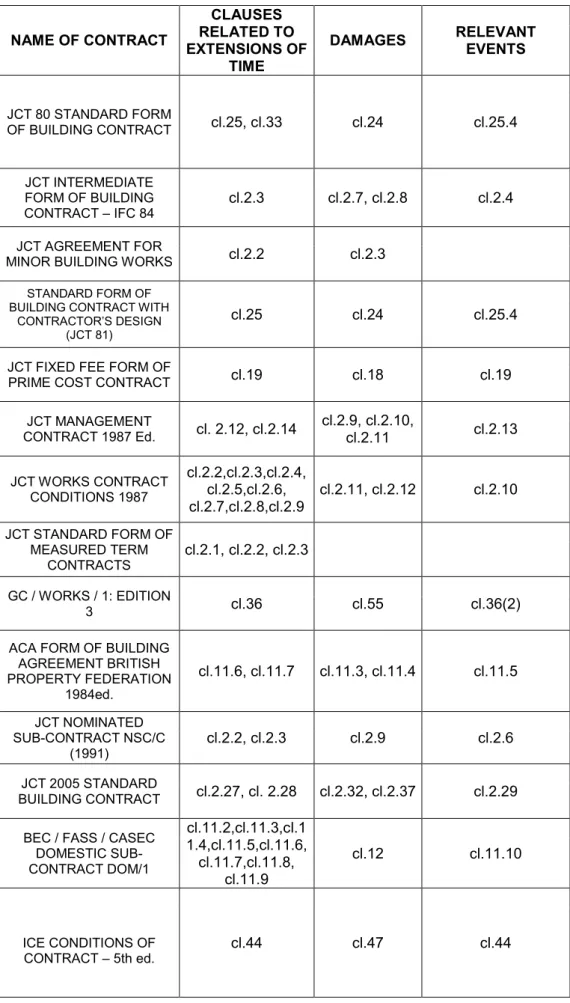
Table 3.1: Contract – Extension of Time Clause Matrix 43
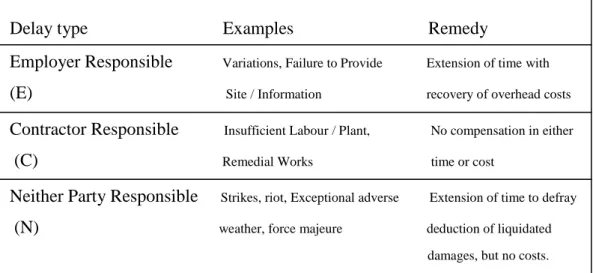
Table 3.2: Delay Types According to Responsibility 60
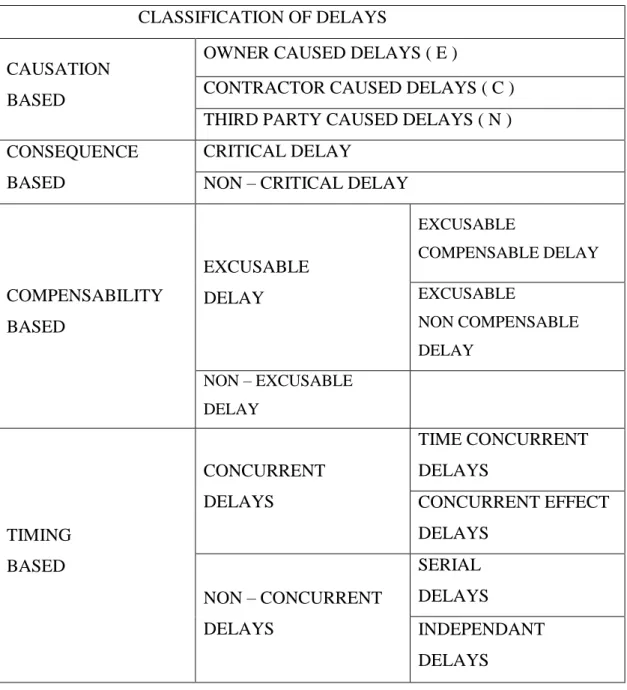
Table 3.3: Classification of Delays 62
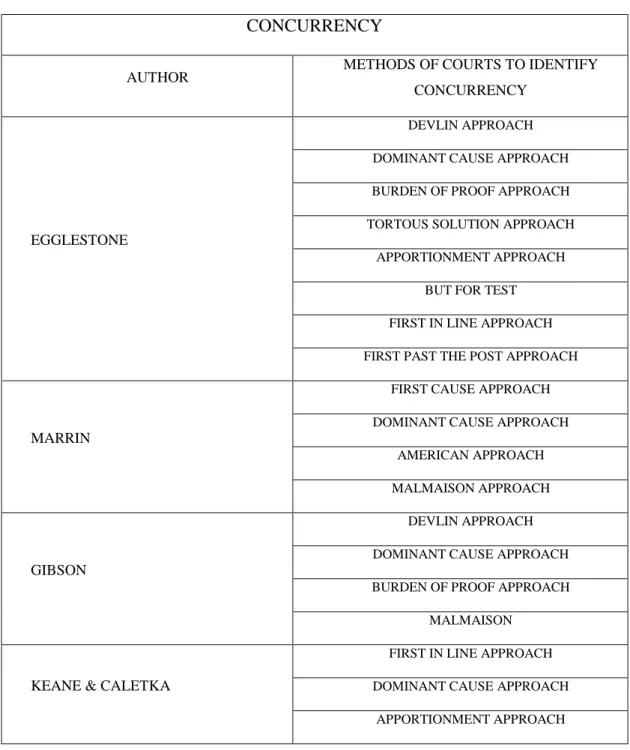
Table 3.4: Methods of Courts to Identify Concurrency 65
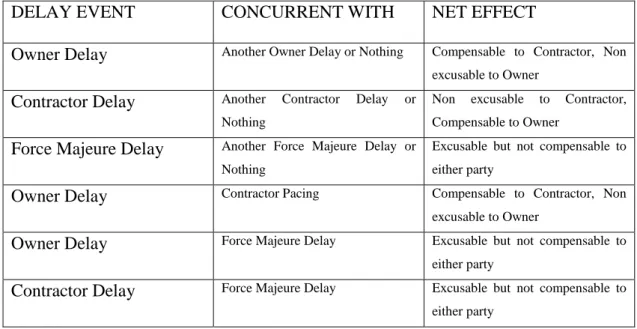
Table 3.5: Net Effective Matrix – Pacing Delay – Contractor Perspective 77
Table 3.6: Types of Analysis - Types of Factual Material Available 100
Table 3.7: Some Methods Are Better Suite for Certain Purposes than Others 101
Table 4.1: Time Impact Analysis Procedure 132
Table 4.2: Delay Activities Relationship Table 134
Table 4.3: Time Impact Analysis Results Table 141
Table 4.4: Delay Responsibility Table for Contractor 148
Table 4.5: Results Table for Float Mapping Analysis 148
LIST OF FIGURES
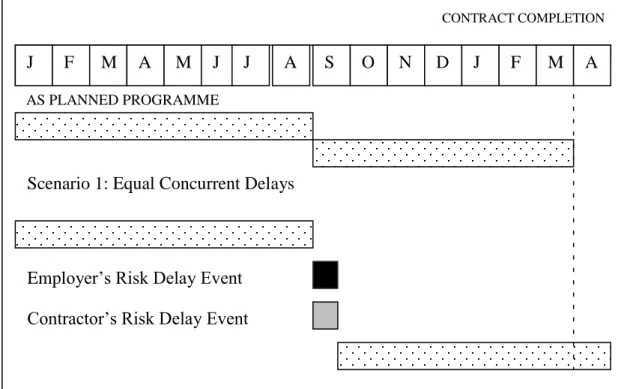
Figure 3.1: SCL Concurrency Scenarios – Scenario 1 68
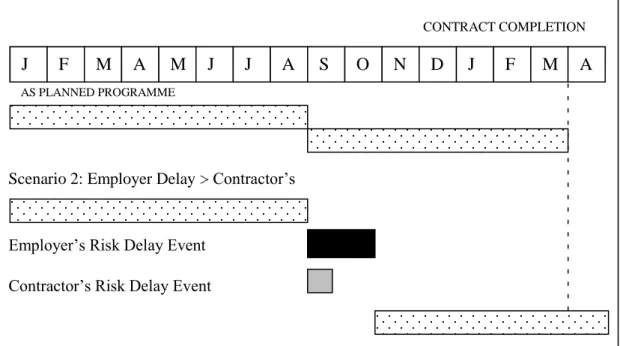
Figure 3.2: SCL Concurrency Scenarios – Scenario 2 69
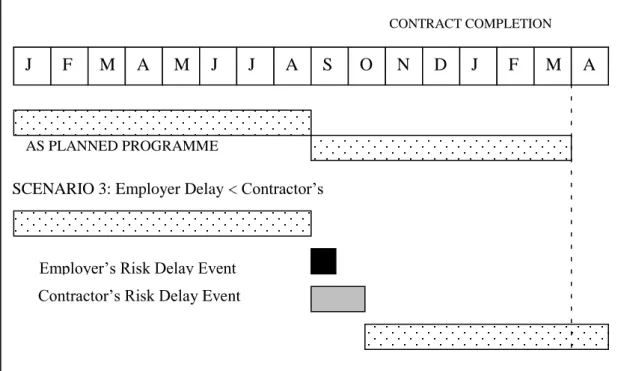
Figure 3.3: SCL Concurrency Scenarios – Scenario 3 70
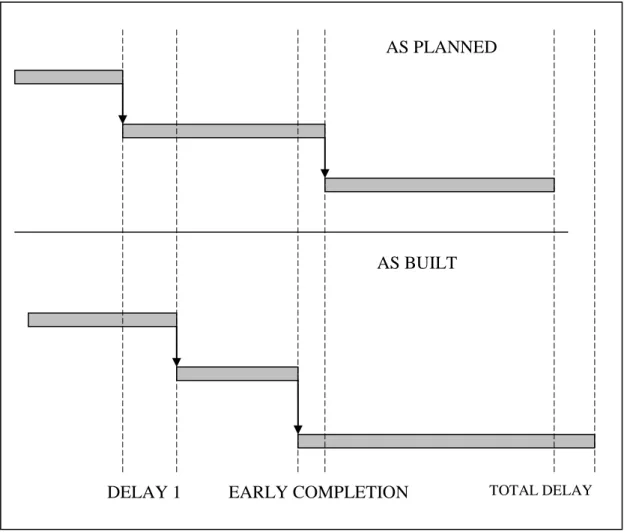
Figure 3.4: A simple model for as planned v. as built method 82
Figure 3.5: A Simple Model for Impacted As Planned Method 85
Figure 3.6: Time Impact Analysis Model 89
Figure 3.7: A Simple Model for Collapsed As Built Method 92
Figure 4.1: Part of the baseline programme used for Time Impact Analysis 136
Figure 4.2: 1st programme update used for Time Impact Analysis 137
Figure 4.3: 2nd Programme Update used for Time Impact Analysis 138
Figure 4.4: 3rd Programme Update used for Time Impact Analysis 139
Figure 4.5: 4th Programme Update used for Time Impact Analysis 140
Figure 4.6: Raw Data sheet used for Float Mapping Analysis 143
Figure 4.7: Data Sheet used for first step of Float Mapping Analysis 144
Figure 4.8: Data Sheet used for the second step of the Float Mapping Analysis 145
Üniversite : Ġstanbul Kültür Üniversitesi Enstitüsü : Fen Bilimleri Enstitüsü
Dalı : ĠnĢaat Mühendisliği Bölümü
Programı : Proje Yönetimi
Tez DanıĢmanı : Prof. Dr. Zeynep Sözen
Tez Türü ve Tarihi : Doktora - Haziran 2010
KISA ÖZET
STANDARD ĠNġAAT SÖZLEġME ġARTNAMELERĠNDE KULLANILMAK ÜZERE ALTERNATĠF BĠR SÜRE UZATIMI MADDESĠ ÖNERĠSĠ
YĠĞĠT BEġLĠOĞLU
Bu çalıĢma inĢaat sektöründe gecikme süreçlerinin daha iyi yönetilebilmesi için bir kılavuz sunmayı amaçlamaktadır. ĠnĢaat projelerinde dikkate değer zaman ve bütçe aĢımı yaĢanmaktadır ve anlaĢmazlıkların önlenmesi, gecikme risklerinin adil paylaĢılması ve sözleĢme taraflarının iyi iliĢkilerini muhafaza ederek geliĢtirebilmeleri için gecikme süreçlerinin daha iyi yönetilmesi gerekmektedir. AraĢtırma inĢaat sözleĢmeleri, gecikmelere iliĢkin kavramlar, gecikme analiz metotları ve geçmiĢte meydana gelmiĢ anlaĢmazlıklara iliĢkin kaynakça araĢtırması ile baĢlamaktadır. Genel olarak gecikme süreçlerinde, özel olarak ise gecikmelerin analizi sürecinde rastlanan sorunlu hususların tespiti amacıyla gecikmelere maruz kalmıĢ büyük bir altyapı projesinde saha araĢtırması yapılmıĢtır. Gerek saha araĢtırması gerekse kaynakça araĢtırması neticesinde ortaya çıkan sorunların çözümü amacıyla bu araĢtırma, ana sözleĢmelerin özel koĢullar kısmında kullanılabilecek veya sözleĢme hazırlayanlar tarafından süre uzatımına iliĢkin sözleĢme veya Ģartname maddeleri hazırlanırken yardımcı olarak kullanılabilecek alternatif bir Ģartname maddesi önermektedir. ġartname maddesinin yanında, bir kontrol listesi modeli ve bir gecikme süreci akıĢ Ģeması, sözleĢme taraflarınca gecikme süreçlerinde meydana gelen sorunların aĢılması amacı ile hazırlanmıĢtır.
Anahtar Kelimeler: ĠnĢaat Gecikmeleri, Süre Uzatımı, Gecikme Analizi, Süre Uzatımı Maddeleri, Gecikme Süreçlerinin Yönetimi.
University : Istanbul Kültür University Institute : Institute of Sciences
Department : Department of Civil Engineering
Programme : Project Management
Supervisor : Prof. Dr. Zeynep Sözen
Degree Awarded and Date : PhD - June 2010
ABSTRACT
A PROPOSAL FOR A TIME EXTENSION SPECIAL PROVISION FOR USE WITH STANDARD FORMS OF CONTRACT IN CONSTRUCTION PROJECTS
YĠĞĠT BEġLĠOĞLU
This study aims to provide a guide for a better management of delay processes in construction industry. Considerable time and cost overruns are being exercised in construction projects and a better management of delay processes is necessary in order to avoid disputes, obtain fair allocation of delay risks and to promote good relationship between contracting parties. Research starts with a review of relevant literature about construction contracts, delay related concepts, delay analysis methods and past disputes. A case study has been conducted on a major infrastructure project that has been subject to delays in order to find out problematic issues during delay processes in general and delay analysis process in particular. In order to solve the problems enlightened by case study and literature review, this research proposes an alternative specification clause that can be used with particular conditions of main contracts or that can be used as indicative by contract drafters when preparing extension of time related contract or specification clauses. In addition to specification clause, a checklist model and a delay process flowchart is prepared that can be used by contracting parties to overcome problems encountered during delay processes.
Key Words: Construction Delays, Extension of Time, Delay Analysis, Delay Clauses, Management of Delay Processes
1. INTRODUCTION
1.1 BACKGROUND FOR RESEARCH
Construction industry differs from the other industrial sectors due to the nature of production process. Unlike other industries that produce in large quantities of the same product in closed factories, construction production requires open air, labour intensive production of unique products for every project. This difference reflects itself in the highly risk sensitive nature of the industry. Estimating possible risks before the start of the project and minimising their impact is almost an art of risk management for the sector.
Time and cost overruns are two major risk objects observed in construction projects. These two problems occur, often, simultaneously and are in a cause and result relationship with each other. It is seen that many projects suffer from delays to project completion time, which also causes cost overruns. Delays may result from many reasons, there may be unforeseen ground conditions which are very common in construction projects, there may be extreme weather conditions during the project or there may even be a war in the country that the construction activity takes place in. When one of these events takes place and the project completion is delayed, the burden of delayed period and costs incurred as a result would be borne by the party who carries the risk. To identify the party that will carry the costs of the risk and possibly compensate the other party, the major source available in hand is the contract documents of the project.
Construction contract and its specifications used in the project will typically have risk distribution clauses identifying the party that owns the risks. Risk allocation is
done on the basis that potential risks shall be carried by the party who can carry it better than the other party so that its effect on the project shall be minimised.
Though the risk sharing of the parties is defined in construction contracts, delays often result in problematic situations as the damages to be compensated might be costly. Not only the cost to be paid but also the complex nature of the delays paves the way for disputes. Of all the construction disputes, delay claims are possibly the most complex and difficult to solve. Dispute resolution process in delay claims are expensive and time consuming. Another aspect of disputes process is that it can damage the goodwill and relationship between the parties, especially if the project still proceeds, further disputes may occur. Past experiences show that dispute resolution often require expert analysis of delays retrospectively. Experts for both parties do not often share the same views for the responsibility and quantification of delay damages which makes the process much more expensive and difficult for both parties to solve.
1.2 PROBLEM STATEMENT
Standard construction contracts used in construction projects are drafted so that the risks that cause delays when they occur are shared by parties. However, using solely standard conditions of contracts do not reply the need of the industry, especially in problematic cases. Delays to individual project activities usually occur, they may occur consequently or at the same time. When large projects are taken into account, a project would have potentially hundreds of activities taking place, most of them at the same time. The effect of delays in individual activities to the total project completion or even a sectional completion is not easy to quantify. Today, most standard conditions of contract require the contractor to submit a programme schedule to the employer or its representative, often using computer programmes in large projects. These programme schedules are used retrospectively or prospectively to quantify effects of individual delays to the project completion dates and find out the number of days each party is held responsible for. The number of days - or if another time fragment is used that unit of time - is the basic measurement unit to quantify damages resulting from the delay. Continuing developments in computer
technology and increasing use of CPM logic in construction projects gave the delay analysts opportunity to develop new analysis methods. Results obtained from technically made delay analysis are combined with the ready risk sharing already done in construction contracts and the responsibility for a delay is achieved.
Though, in order to achieve a fair and reasonable result, delay analysis process has three main requirements. A carefully drafted condition of contract which makes a reasonable risk allocation and has detailed specifications that identifies the possible problems that can occur in relation to delay claims during the project, tidy and objective contract documents that reflect the process of construction project in detail – that requirement is in fact a derivation of first requirement that it can only be obtained if it is expressly stated in the contract – and a delay analysis that is made by an expert who understands the project logic well, who has the necessary experience and who is objective so that the analysis is not manipulated.
The main problem concerning delay dispute resolution process is that the three requirements are rarely found together in practice. Detailed specifications on problems concerning delay analysis are not found in contracts, leaving the solution of the problem to the general clauses in contracts help little when the answer depends on thorny issues of delay related problems such as the ownership of float or the method of delay analysis that the parties shall agree upon. The analysis method that is used for finding out the parties‟ liabilities in delay disputes is hardly agreed upon in practice. The usual practice in industry is that each party uses the method that will prove his defence or claim and manipulated delay analysis practice is far from being fair and reasonable. Choosing the right method of analysis is strictly essential to reaching fair results. Delay analysis is a technical issue and is also related with the first requirement that was pointed above, a carefully drafted contract. All delay analysis methods take responsibilities of parties as an already available input and analysis will only be meaningful if the main concepts are carefully drafted in the contract documents, otherwise all the result will depend on the subjective decisions of an arbitrator. Summarily, the main problem that this research is based on is; the possible problems relating to delay claims, which take place in construction projects, when the solution is left to general conditions of contract.
1.3 AIMS & OBJECTIVES
This research aims to find out the problems that occur during the analysis of delay claims and make contribution to literature on delay related disputes in construction projects by giving a sample contract specification clause that may be used in contract specifications in order to avoid problems. A specification clause shall be prepared in order to avoid problems taking place in practice as a result of problematic concepts not answered in the contract, and the problematic issues faced in delay analysis. The proposed specification clause is intended as a checklist for contractors and employers, to avoid possible claims or minimise the process of dispute resolution in respect of cost and time for both parties, when used in contracts.
1.4 SCOPE OF RESEARCH
Currently, choice of using standard conditions of contract in a construction project changes according to the type of project. The main factor in choosing the contract type is the project financing. Generally, projects that are financed by the private funds of the owner are contracted using owner prepared contracts. These contracts are often drafted with little credit being given to contractor, having most of the risks transferred to the contractor regardless of contractor‟s ability to cope with these risks or are not up to date with contemporaneous delay concepts and analysis techniques being used in internationally funded projects. The Turkish standard governmental contract for construction projects that is used for procurement of public works is an example. On the other hand, projects funded by international lenders usually use international standard forms of contract, as the creditors are not keen to fund projects that may cause disputes that may not be resolved in international standards. Some governmental contracts used in other countries are also close to the „institution based‟ standard contracts, as a result of the demand of the industry and to overcome the problems resulting from using conventional contracts. The main area of interest of this research is the internationally used, „standard‟ contracts therefore; projects that use governmental standard contracts in Turkey are kept out of the scope of the research.
1.5 METHODOLOGY
This thesis is based on a case study of a mega infrastructure project in Istanbul, which uses international conditions of contract. Observation of the delay problems of the project constitutes the main findings of the study. The analysis of these problems has been the basis on which the specification clause in the form of a check list has been developed.
The basic model of the methodology is built upon four steps. The first step is a thorough investigation of existing contract models. Existing contract models are chosen as the models that are chosen by employers in international projects or are known to be internationally „popular‟ contracts. Some of the contracts which have been used only in „local‟ projects in UK have also been added as they have been subject to delay claims and have been a part of the existing literature in delay claims internationally. The investigation of the existing contract models focuses on the contract clauses relating to delays, relevant events that entitle the contractor to an extension of time and delay damages. Investigation of contract models is completed by a comparison of contracts with respect to their detail of the delay related clauses. Existing literature on contracts and an investigation of some of the contracts by the author are the main sources of this step of the research.
The second step of the research is the investigation of the current applications of existing delay analysis methods. This section studies the processes underlying various analysis methods and their selection criteria through a literature review. This step is concluded by a comparison of delay analysis methods.
The third step focuseson disputes that arose in the construction industry as a result of delay claims. This step aims to study the previous cases of delay claims, type of litigateddisputes and courtdecisions.The approaches of courts to delay claims, main concepts concerning delays and problematic issues are the subject of this part of the research. The third step is also based on a literature review
The next step is the data collection by a case study. A large construction project that is already delayed and is currently experiencing both employer and contractor based delays, has been chosen for data collection. The project is a multi billion infrastructure project that is internationally funded and uses international conditions of contract. The current problems of the project have been studied on site, two of the existing delay analysis methods have been applied on one of the most critical and problematic parts of the project and the results of the research were collected to be used in the next step of the research.
The last step of the research is the development of a proposal of a specification clause that can be used in contract specification documents in order to avoid further problems. The proposal is based on reducing or avoiding problems that occur in delay related disputes, in the light of the experience obtained from the data in the case study. The proposed clause contains the issues that must not be omitted in contracts relating to delay related concepts, analysis models and problematic points.
1.6 DISSERTATION STRUCTURE
TheDissertation consistsofsix chapters, appendix and references.
Chapter 1 is the introduction. This chapter contains the background to the research, the problem statement which explains the need for research on the subject. The aims and objectives section is about the contribution of the research to the literature. The scope of the study states the limits applied to research and its application field. Methodology is related to the method of study and process of the research. Dissertation structure lists the chapters of the dissertation in order.
Chapter 2 is the methodology. In this chapter, methodology of the research, data collection model and the process of research are detailed.
Chapter 3 is the literature review. This chapter reports all the data obtained through literature review. It contains four main subtitles. These are extension of time clauses in standard forms of contract, delay analysis in construction projects, disputes related
to extension of time in construction projects and the summary of literature review. Extension of time clauses in standard forms of contract includes titles on standard forms of contract, delay and extension of time clauses in contracts and relationship between standard forms of contract and extension of time clauses. The title on delay analysis in construction projects includes fundamental concepts (types of delays, concurrent delays, criticality, float ownership and pacing delays), delay analysis models which detail the methods of analysis currently used their selection criteria and a comparison of them. The section on disputes related to extension of time in construction projects has two subtitles; previous cases and resolution of previous cases. The Summary sectionbriefly sums up the literature on delay claims.
Chapter 4 is the case study. The data collected from the case study is explained in this chapter. It contains six subtitles. An overview of the project, current status of the project, major obstacles for delay analysis, delay analysis of project using time impact analysis, delay analysis of project using float mapping method and a comparison of analysis results.
Chapter 5 is proposal for a time extension special provision for use with standard forms of contract in construction projects. This chapter has three subtitles; major concerns in developing a time extension clause, a checklist for a delay provision and suggested clause model.
Chapter 6 is the section where conclusions are drawn and recommendations are formulated.
2. RESEARCH METHODOLOGY
This research aims to propose a guide to the contracting parties in construction sector that will help parties manage delay processes better. Objectives of the research shall be reached by the evaluation of the guide that will comprise two main parts. First part shall include a checklist and process flow guide that will help user to manage the process of delays in projects with minimum problems. The process flow shall be prepared from the viewpoint of the employer; however it can also be used by the contractors with slight modifications. The second part of the guide shall contain a proposal of model specification provision that can be used with main contracts by being incorporated in particular conditions or at least may be helpful to drafters of construction contracts in respect of delay related matters.
The research starts with the literature review. Literature review consists of three main parts; first part is a review of contract models that are popular and widely used among practitioners, especially in international projects. In the second part, a review of literature related to delay analysis in construction projects is conducted and in the third part major disputes arising from delays in construction that have been cited in literature are reviewed.
The first part of literature review is based on reviewing the existing contract models used in international projects or used in UK, US domestically but have been used in projects that have been subject of delay disputes and as a result of this have been part of construction delay related literature in academic field.
In this part of research, delay and extension of time related clauses of contracts have been analyzed and the relationship between standard forms of contract and time extension clauses has been reviewed.
In the second part of literature review, literature related to delay analysis has been observed and explained in two main parts. The first part includes a review of fundamental concepts related to delays in construction and the second part includes delay analysis methods used. A review of fundamental concepts has been found necessary in order to gain a basic understanding of delay processes, besides, review of concepts revealed problematic points that effects delay analysis and management of delay processes. Delay analysis has been a relatively less important concept in the past, however with the development of CPM based models and their growing application in construction projects, computer based delay analysis models as a cause and effect analysis instrument to prove delay claims has been subject of increasing use. As a result, an observation of existing delay analysis models was both necessary and vital for the research. This part of research includes a review of existing delay analysis models, criteria for their selection and a comparison of models.
What kind of disputes arose and how they were resolved by the courts? Third part of the literature review is about the disputes that arose in construction projects in the past and are cited in literature on delays in construction. This part of the research shall be helpful in identifying the approach of the adjudicators to the matters related to delays and the development of law in this respect.
In order to find out the possible problems in analysis process and to collect the necessary data from site, a case study was conducted on a project that has already been subject to delays. Project was a major multi – billion infrastructure project that had delays to project completion date in the past and was still having delays in its activities due to both employer and contractor based delay events. The Project has used computer based planning methods and FIDIC contracts. Currently, there had not been any analysis of delays on the project and dispute settlement processes are continuing. Project was chosen for case study as a result of these aspects of it. During the case study a review of project documents, correspondences and minutes of meetings has been conducted, employer‟s staff has been talked about the project process, problematic activities and delays. One of the most problematic parts of the project has been chosen and delay analysis using two of the current methods was done for this part of the project. The analysis process in particular and case study in
general has revealed many problematic matters that have to be taken into account when preparing the guide that shall be proposed. Before and after the delays and during the analysis stage, obstacles that prevented a fair analysis of delays and a good management of delay processes with minimum problems have been realized in case study. Due to confidentiality reasons, name of the project, locations and programme schedule activities have been changed and some details about the project that did not conform the confidentiality principle have been omitted in the relevant chapter.
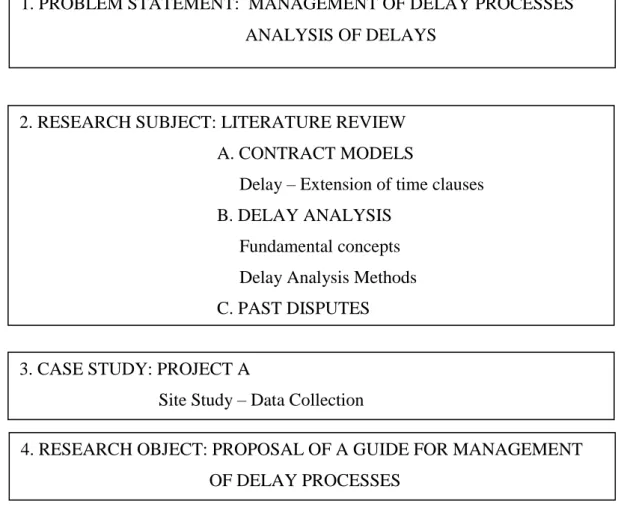
Table 2.1 Research Methodology Framework
Finally, the proposed guide model consisting two main parts has been evaluated and proposed at the end of the research. Two main parts are the checklist – process flow part and the model specification clause part. Both parts have been developed using the data obtained from the case study and the literature review. The proposal
1. PROBLEM STATEMENT: MANAGEMENT OF DELAY PROCESSES ANALYSIS OF DELAYS
4. RESEARCH OBJECT: PROPOSAL OF A GUIDE FOR MANAGEMENT OF DELAY PROCESSES
2. RESEARCH SUBJECT: LITERATURE REVIEW A. CONTRACT MODELS
Delay – Extension of time clauses B. DELAY ANALYSIS
Fundamental concepts Delay Analysis Methods C. PAST DISPUTES
3. CASE STUDY: PROJECT A
presupposes that the obstacles that have been faced during the case study in the project and other problematic points that have been observed in past disputes could have been prevented by predetermining basic concepts and a good management of delay processes. Specification provision part of the proposal aims to predetermine and thus prevent disputes occurring from vagueness of delay related concepts in the contract form and checklist – process flow part of the guide aims to help parties manage the delay processes with minimum problems.
3. LITERATURE REVIEW
3.1 EXTENSION OF TIME CLAUSES IN STANDARD CONTRACTS
Construction contracts are drafted to document responsibilities and risks of parties during the project. Different contracts have different risk sharing contents and using an unfamiliar contract might result in costly surprises for employers and contractors. Most construction projects require high financial resources and financers of these projects, either as owners of the project or as third parties, would prefer using carefully and professionally drafted, familiar contracts in order to prevent losing money as a result of contractual responsibilities. The trend of using standard contracts is a result of this protective approach of the parties. Standard contracts used in international construction projects are mostly created with collaboration of various parties involved in the sector such as contractors, consultants, employers. The main aim of these contracts are providing fairness between the parties and creating an easier – to – use contract document. Different standard contract models have been used by the construction industry. Many of them have been amended and new versions have been created so as to overcome problems that have been observed during their use. (Bunni 3)
One of the major subjects dealt within standard contract forms is the delays to the project. Clauses relating to delays include definitions of extension of time and how an extension would be awarded, relevant events which would lead to an extension of time for project completion and damages when there is delay in project completion. Level of details in the contract about delay related clauses change due to factors such as the type, edition, area of use etc. Some of the most common and widely used international and domestic contracts and their clauses relating to extension of time,
delays and damages are listed below. Different editions of some contract models are listed separately in order to better observe the changing attitude of the drafters of the contract in time.
3.1.1 STANDARD CONTRACT MODELS
Standard contracts may be classified according to the way the contractors are paid, the arrangement of the parties or the type of construction the contract is used for.
Scott lists the main types of contract usually recognised in UK as follows; (Scott 5) According to types of payment;
i) Lump Sum Contracts ii) Measurement Contracts
a) Bill of Quantities b) Schedule of rates
iii) Cost Reimbursement Contracts a) Cost + Fixed Fee
b) Cost + Percentage Fee c) Target Cost Contracts
According to the ways of arranging parties i) Traditional Contract
ii) Design and Build Contract iii) Management Contract iv) PFI Contract
Scott‟s list is a general list used to classify contract types used in UK. A different classification can be done by using the types of construction that the contract forms are used for. Construction contracts can be classified in three major classes according to the construction type; building contracts, civil engineering contracts and plant contracts. Patterson explains the contract choosing procedure for NEC contracts in terms of options; a lump sum contract would pass the whole estimating, pricing and efficiency risk to the contractor (priced contract with activity schedule), a priced contract with a bill of quantities would pass the pricing and efficiency risk to the contractor but retain as client the risk of correctness of a bill of quantities, a cost
reimbursable contract would retain the majority of estimating, pricing and efficiency risk and simply pay for the contractor‟s resources to help achieve the client‟s requirements, a target contract would share the estimating, pricing and efficiency risk. He offers using a priced contract with bill of quantities when the employer is responsible for the design. Cost reimbursable contract may be appropriate for emergency works, an ill defined scope or research and development work, according to Patterson. (Patterson 159-160)
There are currently, many standard contract forms used by the industry though some of them are widely used and more popular amongst others. One of the most popular standard building contract forms are JCT contracts, they are especially highly popular in UK. They are prepared by the Joint Contracts Tribunal which consists of several representatives from different parties of the industry. Early versions of the JCT contracts were used to be called as RIBA contracts. JCT 63 and JCT 80 were widely used building contracts of their times, recently JCT published its 2005 set of documents as an answer to the changing conditions and needs of the construction industry. (Ndekugri, Rycroft 3-4)
Governmental contracts are one of the most important types in the industry as large amounts of building and civil engineering works are procured by public sector. The Government General Conditions of Contract for Building and Civil Engineering GC/ Works / 1 are the contract model used to procure civil engineering and building works in UK. It was amended as it was mainly a contract for use in war times in UK and was used to give the employer overpowers. After amendments employer has less power than he was used to have. (Egglestone, Liquidated Damages and Extensions of Time in Construction Contracts 2nd Ed. 255)
British Property Federation has issued the ACA Form of Building Agreement in 1984. The contract was prepared by the Association of Consultant Architects in UK. The main aim of the contract was to use it for commercial building projects. Today, with the growing use of ICE forms, ACA contracts are less preferred. (Egglestone, Liquidated Damages and Extensions of Time in Construction Contracts 2nd Ed. 259)
Institution of Civil Engineers UK has prepared contracts to be used by the industry since 1945. ICE Conditions of Contract was prepared seven times in years 1945, 1950, 1951, 1955, 1973, 1991 and recently the seventh edition was published in 1999. ICE has also published a new set of contracts under the name New Engineering Contract. NEC was first published in 1993, the second edition was published in 1995 and recently the third edition was published in 2005 under the name NEC 3 contracts. NEC contracts were published in a quite different form than the other conventional forms; the main aim was flexibility in scope, clarity, simplicity and providing a greater stimulus to good project management. (Egglestone, The New Engineering Contract: A Commentary 4) NEC‟s main principle is the partnering of the risks. Core clauses and optional clauses were prepared so that the contract can be used in a wide range of projects from building to civil engineering or from traditional style party arrangement contracts to design build contracts. Optional clauses were drafted to keep the contract flexible so using any of them may change the distribution of risk between the parties. Different pricing types from lump sum to cost reimbursement type can also be adapted to the contract using options. The NEC family of contracts have different options for the potential user, the engineering and construction contract (ECC), the engineering and construction subcontracts (ESC), the Engineering and construction short contract (ECSC), the professional services contract (PSC) and the term service contract (TSC). Patterson notes that NEC has been used in more than tens of thousands of projects worth billions of pounds since 12 years, but there has only been one case law relating to the contract, so it seems that its revolutionary approach to construction contracts seem to work. The case is the Costain Ltd. v Bechtel Ltd. in 2005. (Patterson, 157)
One of the most popular and widely used set of international contracts is the FIDIC contracts. FIDIC contracts are especially popular in international projects. They are prepared by the International Federation of Consulting Engineers (Fédération Internationale Des Ingénieurs – Conseils). Four editions were prepared in 1957, 1969, 1977, and 1987. In 1999 a new set of contracts were prepared by FIDIC. FIDIC contracts are usually known with the names of the cover of the contract books such as red book, yellow book, orange book etc. The FIDIC Conditions of contract for works of civil engineering construction, fourth edition (the red book), was published in 1987 and amended in 1988 and 1992. FIDIC published its supplement
to the Red Book in 1996. The orange book was published by FIDIC as a standard form for design and build contracts in 1995, the second edition was published in 1999. New yellow book replaced the orange book and new silver book was drafted for engineer, procure, construct and turnkey contracts. It also published the green book for use in engineering and building work that comprises relatively small projects. In Red Book 1999 edition there have been some significant changes and new arrangements to the old red book. In 2008 Fidic Gold Book was published which is the conditions of contract for design build and operate projects. Gold Book aims to bring some innovative changes to the control of the risks and the resolution of disputes in the case that they arise. Lane gives the example that, a failure to give notice in terms of clause 20.1 of FIDIC‟s 1999 Red Book is “tempered by the right of the contractor to apply to the DAB for relief should there be circumstances justifying the late submission” in Gold Book (Lane 185)
Institution of Chemical Engineers UK is one of the other institutions which prepare model contract forms. The last series of international forms of contract by IChemE was published in 2007. The series consists of the IChemE International Red Book (lump sum contracts), the IChemE International Green Book (cost reimbursable contract), the IChemE International Burgundy Book and the IChemE International Yellow Book (subcontracts). Although the forms are mainly prepared for use in the chemical engineering process industries, they have been used in other output – based plant projects. They have been used for railway signalling, combined heat and power plants, post cargo handling plant, and even tunnelling projects in the water and electricity industries based plants. (Bateman 169) It is commented that the omission of the words process plants from the name of the contracts in the latter editions of the forms is a sign showing the willingness of the Institute for the contract forms to be used by a wider community. (Egglestone, Liquidated Damages and Extensions of Time in Construction Contracts 3rd Ed. 356) IChemE has prepared its first contract in 1968. Known as Red Book for its cover, the contract was prepared for use with lump sum process plant projects. Another IChemE contract is the Burgundy Book which is used for target cost contracts. It is stated that the Burgundy contract was “published in response to industry‟s demand for a form of target cost contract as a fully stand – alone document, avoiding the need for users to draft amendments to existing forms should they wish to incorporate target cost elements into their contracts” (The
Burgundy Book, Historical Note). The IChemE International contract forms comprise models for lump sum, cost reimbursable and target cost payment types. Mainly, the contracts are drafted to respond to the needs for plant construction projects. The performance based approach of the forms reflects this main aim. When choosing the appropriate contract form, the purchaser has to take his capabilities and requirements into account. If it is required that the contractor shall manage the whole work, using the lump sum International Red Book would be the most appropriate. It is stated that cost reimbursable International Green Book would be the best choice if the client wants to work in close cooperation with the contractor, make changes to the ongoing project or operate the project during construction, the contractor who thinks that the cost is too uncertain would also prefer this contract form equally. In terms of client contractor relationship, using the target cost Burgundy Book may allow the contractor manage the project using more incentive after having decided the necessary details with the client. (Bateman 174)
Another well – known contract model which is used for electrical and mechanical works is the MF / 1 contract. Its full name is „Model form of General Conditions of Contract for use in connection with Home or Overseas contracts for supply of electrical, electronic or mechanical plant – with erection‟. The contract is one of the oldest and popularly used ones, it was first prepared in 1903 and then amended in 1988 and currently a 2000 edition is available for use. (Forward 64)
3.1.2 DELAY / EXTENSION OF TIME CLAUSES
3.1.2.1 JCT MAIN CONTRACT AND SUB - CONTRACT MODELS
In the JCT 80 Contract, time for completion can be extended by clause 25 and clause 33. Clause 25 states the main provisions while clause 33 is about the “war damages”. According to clause 25, for a time extension to be awarded, contractor must give notice when it is „reasonably apparent‟ to do so then the architect issues a reasonable „extension of time‟. Relevant events are stated in sub clause 25.4. Under sub clause 25.2.1.1 contractor is obliged to give notice of all delays, whether or not on the critical path. Under sub clause 25.3.1 the architect must make his decision in 12 weeks and if he decides to extend, the relevant events need to be written in notice of extension under sub clause 25.3.1. Damages for non-completion are considered
under clause 24. Completion certificate is kept necessary for actually completing the project. Written notice to the contractor by the employer is kept necessary to obtain liquidated damages. It is a pre-condition to issue a non-completion certificate before deducting liquidated damages from any sums due to the contractor. In case of extension of time given to the contractor, a „repeat certificate‟ needs to be issued which renders the previous certificates obsolete. Under 24.4.2, there is no mention of payment of interest, in case of repayment of deductions of liquidated damages to the contractor. Architect is given the power to fix a later completion date which he sees „fair and reasonable‟ in case of war under clause 33. (Egglestone, Liquidated Damages and Extensions of Time in Construction Contracts 2nd Ed. 218-225)
JCT Intermediate Form of Building contract – IFC 84 is a simple contract for use with small to medium scale building projects. Extensions of time are considered under clause 2.3. Contractor needs to give notice of delay when a delay becomes apparent. Contractor is not obliged to give details of delay unless it is required by the architect. If there is prevention by the employer, architect may give an extension of time after completion is passed, when the contractor is in culpable delay. Giving notice is not a strict pre-condition in this contract. Sub clause 2.4 states the relevant events for which extensions of time may be awarded to the contractor. These are very similar to those events in JCT 80, though nominated subcontractors and exercise of government‟s statutory powers are not included unlike JCT 80. It is stated that these may be covered by Force Majeure clauses. (Egglestone, Liquidated Damages and Extensions of Time in Construction Contracts 2nd Ed. 236) Sub clause 2.6 keeps the non-completion certificate and certificate of extension of time necessary when there is delay in project completion. Damages are considered under sub clauses 2.7 and 2.8 under which notice prior to the deduction of liquidated damages is kept essential. There is no mention of interest payments in the contract in case of repayments such as in JCT 80 contract. Partial completion is not possible under the contract though using optional clause 2.11 overcomes that problem. (Egglestone, Liquidated Damages and Extensions of Time in Construction Contracts 2nd Ed. 232-236)
JCT Agreement for Minor Building Works was prepared to be used with contracts up to £50.000 and more, but it was used for quite larger projects by the industry. The contract was prepared quite simply and practically. Relevant events are not stated
separately in the contract but rather a general definition stating „reasons beyond the control of the contractor‟ was used. Clause 2.2 deals with matters concerning extensions of time. It states that delay to project completion must not be a „default of the contractor‟. Experts find the clause hard to interpret as the meaning is kept wide. (Egglestone, Liquidated Damages and Extensions of Time in Construction Contracts 2nd Ed. 238) A notice of delay is needed but it is not a strict precondition. The test for awarding an extension of time is reasonableness which will be decided by the architect. Liquidated damages are considered under clause 2.3 in which there is no condition of notice prior to the deduction of damages. (Egglestone, Liquidated Damages and Extensions of Time in Construction Contracts 2nd Ed. 238)
JCT 81 (Standard Form of Building Contract with Contractor‟s Design) was prepared for use with building projects done on a design–build basis. Employer takes the classic role of architect in other JCT contracts. Clause 25 deals with matters concerning extension of time. Contractor must give notice of delay as soon as possible and needs to give particular details of relevant event in this notice. The test for an extension of time is the fairness and reasonableness as in other JCT contracts. Contractor is required to use his „endeavours‟ to prevent possible delays. Clause 24 was drafted for liquidated damages. Employer has the right to deduct liquidated damages from any sums due to him by the contractor and procedural requirement of notice by the employer prior to deducting liquidated damages is kept essential in JCT 81. There is no mention of interest payments in case of repayment of deductions to the contractor. Relevant events for extensions of time are set out in clause 25.4. They are similar to those in JCT 80 contract, though the effect of changes in statutory requirements on the granting of approvals and permissions under 25.4.7 is not included in JCT 80. (Egglestone, Liquidated Damages and Extensions of Time in Construction Contracts 2nd Ed. 240-244)
Another contract form is the JCT Fixed Fee Form of Prime Cost Contract. Issues concerning extensions of time and relevant events are very similar in this contract with other JCT contracts. Extension of time is considered in clause 19. Contractor shall give a notice of claim explaining the relevant event.
Under JCT Fixed Fee Form of Prime Cost Contract relevant events are stated under sub clauses 19(a) to 19(l). Clause 18 deals with liquidated damages. Architect‟s „written‟ opinion of delay is necessary. There is no mention of payment of interest in case of repayment of liquidated damages such as in other JCT contracts. (Egglestone, Liquidated Damages and Extensions of Time in Construction Contracts 2nd Ed. 244-246)
JCT Management Contract 1987 edition was drafted when management contracting was being popular in construction industry in UK. Clauses 2.12, 2.13, 2.14 are concerned with matters about delays and extensions of time. Under 2.12 Management Contractor shall notify Architect / Contract Administrator of delays when it is „reasonably apparent‟. The relevant test when giving extensions of time is stated as fairness and reasonableness. If the architect considers it not necessary to give an extension of time then he must notify the management contractor with a „written‟ notice. Clause 2.13 lists relevant events for an extension of time to the contract. Under clause 2.14 Management Contractor shall notify the architect in writing of his proposed decision on extension of time under sub clauses 2.3 and 2.4 of Works Contract Conditions. Architect needs to give written notice of dissent of Management Contractor‟s decision if he does not agree. Liquidated Damages are considered in clauses 2.9, 2.10, and 2.11. Under clause 2.9 Architect issues a certificate if Management Contractor fails to secure completion on time. Sub clause 2.11 is about the repayments though there is no mention of interest payments. (Egglestone, Liquidated Damages and Extensions of Time in Construction Contracts 2nd Ed. 247)
JCT Works Contract Conditions is designed for use between the Works Contractor and Management Contractor. It is for use with the JCT Management Contract. The position of a Works Contractor of JCT Works Contract is very similar to the subcontractor of a conventional contract. Management Contractor on the other hand takes the position of the Architect / Contract Administrator. Clauses 2.2 to 2.10 deal with matters concerning delays and extensions of time. Under sub clause 2.2.1 notice of delay by contractor to management contractor in case of any delay to commencement, progress or completion date is obligatory. Management Contractor must be notified of relevant details in any notice under sub clause 2.2.3. Management
Contractor notifies his „reasonable‟ decision to the architect. Decision time is kept 12 weeks or before the completion date of an extension of time under clause 2.4. Clause 2.8 states that the Works Contractor needs „to use his best endeavour to prevent any delay‟. Relevant events are listed in clause 2.10 and are very similar to those in other JCT contracts. Damages are considered under clauses 2.11 and 2.12. Sub clause 2.12 details possible damages in case of delay as liquidated damages that the Management Contractor will pay to the employer plus any general damages incurred. (Egglestone, Liquidated Damages and Extensions of Time in Construction Contracts 2nd Ed. 249-252)
JCT Standard Form of Measured Contracts was prepared to be used for works of regular maintenance or minor improvement. Sub clauses 2.1, 2.2, 2.3 deal with extension of time. Time extension should be „reasonable‟ time to complete works according to the contract. The test is fairness and reasonableness. There is no liquidated damages provision under the contract which means that the employer should seek for general damages. Sub clause 2.3.2 was drafted to avoid time being at large by limiting completion time for extension. (Egglestone, Liquidated Damages and Extensions of Time in Construction Contracts 2nd Ed. 254-255)
JCT NSC/C was prepared to replace NSC/4 contract which was drafted for use with JCT 80 contract. Under JCT 80 contract, delay on part of nominated contractor is stated as a relevant event for an extension of time when contractor is in delay because of a nominated subcontractor‟s default. Under NSC / C, there is no provision for liquidated damages, which means that general damages can be demanded under case law, this is stated in sub clause 2.9. Section 2 deals with matters concerning commencement and completion. Sub clause 2.1 states that subcontractor shall carry out works in accordance with agreed programme and the contractor shall give sufficient information. Sub clause 2.2 states the procedure for an extension of time, in case of a delay, subcontractor shall give written notice of delay and the contractor shall notify the architect. Contractor requires consent for extension of time from the architect giving details and expected time of delay. Under sub clause 2.3 the relevant test for awarding an extension is stated as fairness and reasonableness. Sub clause 2.6 details the relevant events which entitle the subcontractor to an extension. Sub clause 2.7 expresses that subcontractor may go to arbitration with the contractor if they
dissent with architect‟s decision for an extension. (Egglestone, Liquidated Damages and Extensions of Time in Construction Contracts 2nd Ed. 264-269)
JCT 2005 is the last edition of JCT forms of building contracts. Under sub clause 2.27.1 contractor shall give written notice as soon as he becomes aware that any section or whole of the works is delayed or likely to be delayed as a consequence of events. Sub clause 2.28 is related to extension of time issues. Under sub clause 2.28.1, if a relevant event takes place and the event does or is likely to do any delay on the completion of the works, then the architect is entitled to fix a new date for completion. The test is fairness and reasonableness. Under sub clause 2.28.2 architect needs to notify the contractor of his decision in 12 weeks, it is commented that whether 12 weeks notification period is a mandatory or directory requirement is a point of discussion. Sub clause 2.28.3 is about the architect‟s duty to issue any extension of time. The Architect has to make it clear for which event he issues a time extension, the underlying idea here is to prevent global claims. Under 2.28.4 the architect is given the power to reduce extensions only in case of omissions and by the condition that the original completion date is not reduced. Sub clauses 2.28.5 and 2.28.6 defines the time limit for architecture‟s decision as 12 weeks and summarizes the architects powers and duties regarding to extension of time claims. Relevant events are listed under sub clause 2.29 as; variations, instructions of the architect or contract administrator for resolution of errors, omissions etc. in documents, postponement of work, provisional sums, antiquities, the opening up for inspection or testing of works unless these are due to the fault of contractor, deferment of giving possession of site, suspension by contractor under clause 4.14 of the performance of his obligations under the contract, prevention by the employer, carrying out statutory undertaker of his work, exceptionally adverse weather conditions, loss or damage occasioned by any specified perils, civil commotion or terrorism, strike, lock-out, government intervention under statutory authority and force majeure. Specified perils are defined under sub clause 6.8 and force majeure is left undefined in the contracts. Sub clause 2.31 requires the architect to prepare and submit a certificate of non completion before deducting liquidated damages, which is to be a certificate of fact not of an opinion. Sub clauses 2.32 and 2.37 relate to liquidated damages, subject to submitting a non completion certificate; architect has the right to deduct liquidated
damages from payments due to the contractor in case of late completion. (JCT Standard Building Contract Without Quantities, 2005 ed.)
Shortly called DOM1 (BEC / FASS / CASEC Domestic Sub – Contract DOM / 1), this contract is designed for use with JCT main contract such as NSC/C. Damages is considered in clause 12 under heading Sub-Contractor‟s liability for damages. Contractor shall give notice of non-completion to the subcontractor who will then be liable for general damages. There is no provision for any liquidated damages. Sub clauses 11.2 to 11.10 deal with matters concerning extensions of time and delays. Relevant events stated under sub clauses 11.10 are very similar to those in NSC/C. Subcontractor shall give written notice of delay when reasonably apparent. The time limit used in DOM1 contract, 16 week under sub clause 11.4, is different from that used in NSC/C which is 12 weeks. (Egglestone, Liquidated Damages and Extensions of Time in Construction Contracts 2nd Ed. 270-274)
3.1.2.2 GC / WORKS / 1: EDITION 3
One of the contract forms used by public bodies in UK is the GC / Works / 1: Edition 3 – The Governmental General Conditions of Contract for Building and Civil Engineering in its full name. Clause 36 deals with the extension of time, under clause 36(1), when any relevant event takes place contractor has to give written notice of it or the project manager may give an extension of time without written notice if he becomes aware of the delay. It is expressly stated in clause 36(1) that only delays which will prevent completion by the date for completion may be awarded an extension of time, which means that no claim will be available for delays that take place in non – critical paths. Relevant events for an extension of time are listed in sub clause 36(2). Under sub clause 36(4), it is stated that no reduction can be made from extensions unless there is an omission. Contractor must „endeavour to prevent delays and to minimise unavoidable delays‟ under sub clause 36(6). Sub clause 36(5) states that a contractor may express his dissatisfaction with his claim if it is rejected and ask for a review.
In GC / Works / 1 damages are defined by clause 55 as liquidated damages. Waiver of liquidated damages by Authority may only be on written notice. Under sub clauses
55(3) and 55(4) liquidated damages may be deducted from any sums due to the contractor from the contract or other contracts. There is no mention of interest payments in case of repayments of damages to the contractor. (Egglestone, Liquidated Damages and Extensions of Time in Construction Contracts 2nd Ed. 256-258)
3.1.2.3 ACA FORM OF BUILDING AGREEMENT
Extensions of time matters are considered in ACA Form of Building Agreement (British Property Federation 1984 edition) under sub clauses 11.5, 11.6 and 11.7. Clause 11.5 lists the relevant events that extensions of time may be awarded for. Relevant events are fewer than other standard contracts; there is no mention of industrial disputes, adverse weather conditions, unforeseen ground conditions and circumstances beyond the contractor‟s control. Sub clause 11.5(e) covers all acts of prevention by the employer. The test for an extension of time is fairness and reasonableness. It is a precondition that Client‟s Representative shall be notified when a delay becomes reasonably apparent. Damages are defined under sub clauses 11.3 and 11.4. Issuing a certificate stating that the works are not fit and ready for takeover is a precondition to get liquidated damages. Under sub clause 11.4 payment of interest in case of repayment of liquidated damages is expressly stated. In case of partial delay to any section of Works, liquidated damages shall be scaled down as appropriate. Procedural requirements are stricter than most other contracts under ACA contract. (Egglestone, Liquidated Damages and Extensions of Time in Construction Contracts 2nd Ed. 260-261)
3.1.2.4 ICE MAIN CONTRACT AND SUB – CONTRACT MODELS
Extensions of time and delays are dealt under clause 44 in ICE Conditions of Contract 5th edition. Under sub clause 44(1) it is stated that the contractor should make claim for an extension of time within 28 days or in a reasonable time. It is not clear whether this is a strict precondition or not. Egglestone comments on clause 44 that the words „such as fairly…entitle the contractor‟ makes it vague whether extension should be given anyway or only when there is an extension to completion date. (Egglestone, Liquidated Damages and Extensions of Time in Construction Contracts 2nd Ed. 277) Relevant events stated in clause 44 are variations under sub
clause 51(1), increased quantities under sub clause 51(3), exceptional adverse weather conditions, other special circumstances of any kind and other cause of delay referred to in conditions. Amongst these are clause 32 relating to fossils, excepted risks in clause 20, variation under clause 51. Clause 47 was drafted to deal with liquidated damages. Under sub clause 47(5) payment of interest in case of repayments is kept mandatory. Scaling down of liquidated damages in case of delay in partial completion is regulated under sub clause 47(1) b. It is claimed that the statement in sub clause 47(3) which writes that damages in contract are „not penalties but liquidated damages‟, would not prevent courts from reaching their own decision when considering damages. (Egglestone, Liquidated Damages and Extensions of Time in Construction Contracts 2nd Ed. 281, ICE Conditions of Contract, 5th ed.)
The next edition of ICE Conditions of Contract was issued on January 1991. Complex sectional provisions of ICE 5th edition on external of time and liquidated damages clauses were all amended in the contract. Clause 44 deals with matters concerning extensions of time. Relevant events for an extension of time in the contract are similar to those in 5th edition. Under sub clause 44(1) a variation order stated in sub clause 51(1), an increased quantity stated in sub clause 51(4), exceptional adverse weather conditions and other special circumstances are amongst events which will entitle a contractor an extension of time. Contractor may give a notice for an extension in 28 days or the engineer may make an assessment under the contract. Relevant events under 44(1)(iii) are briefly late drawings and instructions under sub clause 7(4), adverse physical conditions or artificial obstructions under sub clause 12(2), instructions causing delay under sub clause 13(3), delay in engineer‟s consent to contractor‟s methods or because of engineer‟s requirements under sub clause 14(8), variations relating to public utilities under sub clause 27(6), facilities for other contractors under sub clause 31(2), suspension of work under sub clause 40(1) and failure to give possession under sub clause 42(3). Except the time limit, which is 14 days, stated in sub clause 44(4) and sub clause 44(5), clause 44 is almost the same with clause 44 of 5th edition book. Commentators highlight the fact that the 14 days limit stated in sub clauses 44(4) and 44(5) are directory only and time would not become at large when 14 days limit is not obeyed.