ISTANBUL BILGI UNIVERSITY INSTITUTE OF SOCIAL SCIENCES
MEDIA AND COMMUNICATION SYSTEMS MASTER’S DEGREE PROGRAM
IDEOLOGICAL BOTS OF #METOO: TOWARDS A THEORY OF THE HYBRID PUBLIC SPHERE
Semahat Ece Elbeyi 116680019
Thesis Supervisor: Dr. Öğr. Üyesi Ivo Furman
İSTANBUL 2018
TABLE of CONTENTS TABLE OF CONTENTS ... İİ LIST OF FIGURES ... İİİ ABSTRACT ... İV ÖZET... ... V INTRODUCTION ... 1 2. LITERATURE REVIEW ... 5 3. THEORETICAL FRAMEWORK ... 14
3.1.SOCIAL SHARING OF EMOTIONS ... 14
3.2.INTIMATE PUBLICS ... 17
3.3.ACTOR-NETWORK THEORY ... 21
3.3.1. Actor-Network ... 22
3.3.2. Network ... 22
3.3.3. Actor ... 25
3.3.4. Non-human Agency ... 27
3.4.NETWORKED INDIVIDUALISM AND NETWORKED PUBLICS ... 31
4. RESEARCH QUESTION ... 36
6. ANALYSIS ... 41
6.1.FEMINIST BOTS ... 43
6.1.1. Japanese Feminist Bots ... 43
6.1.2. @YouAreOnRadar ... 50
6.1.3. @TrumpernTolshek ... 54
6.2.ANTI FEMINIST BOTS ... 55
6.3.XENOPHOBIC BOTS ... 57
6.4.POLITICAL BOTS ... 57
7. CONCLUSION ... 62
8. DISCUSSION ... 64
8.1.LIMITATIONS OF THE RESEARCH ... 64
8.2.RECOMMENDATIONS FOR FURTHER RESEARCH ... 66
LIST OF FIGURES
Figure 1. Alyssa Milano’s tweet………...3
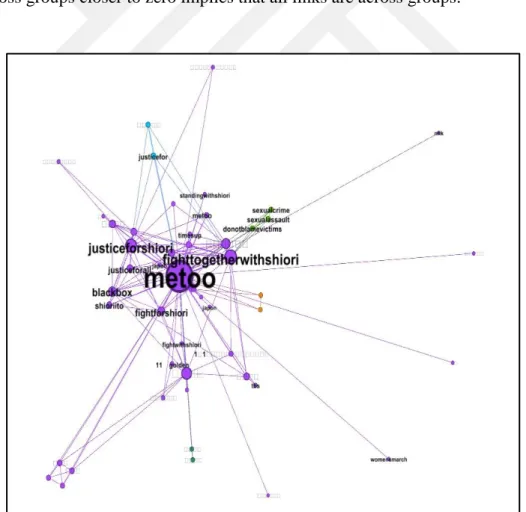
Figure 2. Categories of bots in the #MeToo discussion on Twitter – week 1 to 6...38
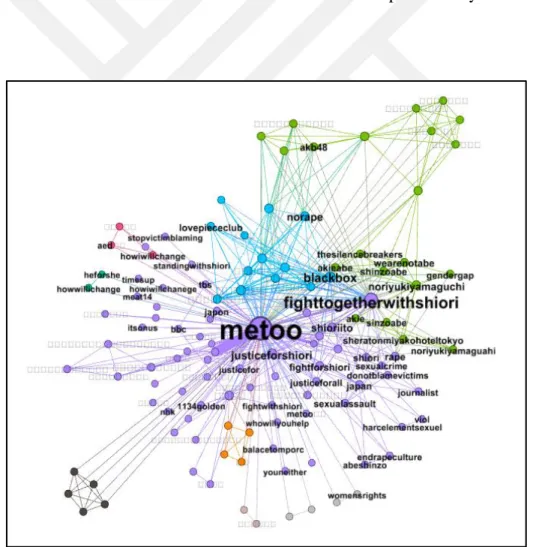
Figure 3. Categories of bots in the #MeToo discussion on Twitter – week 7 to 12...39
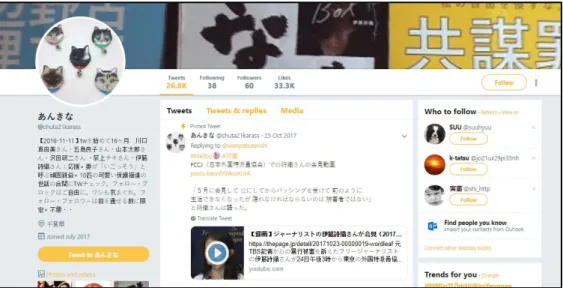
Figure 4. Twitter account of @chuta21karass………...40
Figure 5. Tweet stats of @chuta21karass………...41
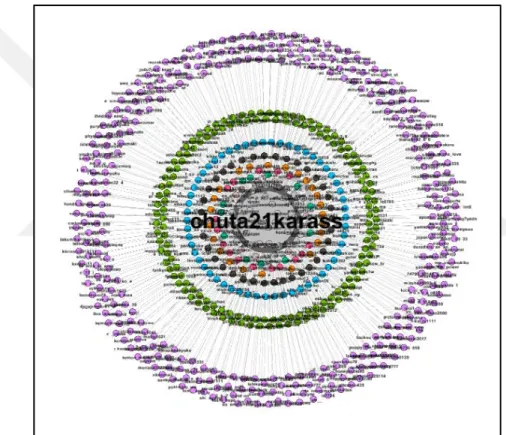
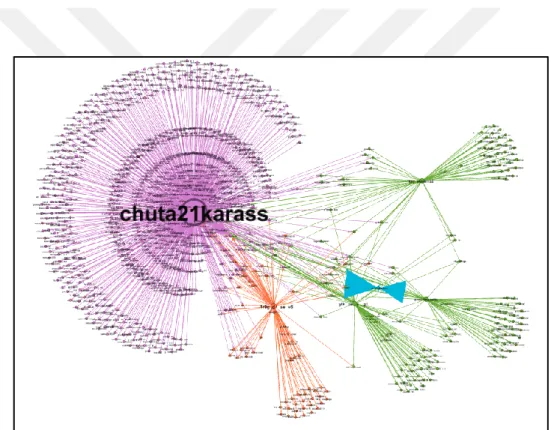
Figure 6. Co-hashtag graph of @chuta21karass………...42
Figure 7. Interaction graph of @chuta21karass………...43
Figure 8. Co-hashtag graph of feminist bots……….………...44
Figure 9. Interaction graph of feminist bots………...45
Figure 10. Twitter account of @youareonradar………...46
Figure 11. Tweet stats of @youareonradar………...47
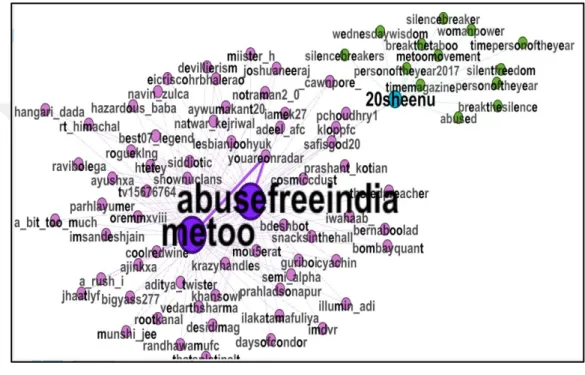
Figure 12. Co-hashtag graph of #abusefreeindia………...48
Figure 13. Twitter account o@TrumphernTolshek………...50
Figure 14. Twitter account and post examples of @Shankarrao1753……...51
Figure 15. Co-hashtag graph of @Shankarrao1753………... 52
ABSTRACT
This dissertation aims to provide a more nuanced understanding of how automated software agents are transforming both social media interactions and the broader notion of the public based on Barry Wellman's “Networked Individualism” and Danah Boyd's “Networked Public” theories. In doing so, it uses a dataset of more than 2 million tweets collected within the context of the ongoing #metoo controversy and attempts to understand the activities and roles undertaken by automated accounts in shaping the discussion. By qualitatively examining, these bot accounts are classified into 6 different categories which develop quite different ideologies from each other as spam bots, feminist and anti-feminist bots, political bots as pro-Trump and anti-Trump and xenophobic bots. Accordingly, it has been observed that these bots have largely shaped the discussion not only in terms of their numbers or activity densities, but also in terms of their interaction with other users as well as variety of discourses they produce and their behaviors.
The findings of this dissertation suggests that non-human actors have actively taken part in and even shaped the controversy around #metoo. This brings a new dimension to the concepts and definitions of “public” put forward so far. This public which is constituted by the intervention of these non-human actors, in other words bot accounts, can be tentatively described as a hybrid or hybridized public.
ÖZET
Çalışma, otomatik yazılım araçları olan bot hesapların, sosyal medya etkileşimlerini ve daha geniş bir perspektiften de Barry Wellman’ın “Ağlandırılmış Bireycilik” ve Danah Boyd’un “Ağlandırılmış Kamu” teorilerini temel alarak, kamu kavramını nasıl dönüştürdüğüne dair daha ayrıntılı bir anlayış sunmayı amaçlamaktadır. Bunun için hali hazırda süregelen #metoo tartışması bağlamında toplanan 2 milyonu aşkın tweetten oluşan veri seti kullanılmış, ve bu tartışmayı şekillendirmede, bu hesapların üstlendiği faaliyetler ve roller anlaşılmaya çalışılmıştır. çalışılmıştır. Niteliksel olarak incelendiğinde, bu bot hesapları birbirlerinden epeyce farklı ideolojiler geliştiren 6 farklı kategoride sınıflandırılmıştır; spam botlar, feminist ve feminizm karşıtı botlar, Trump yanlısı ve Trump karşıtı olan politik botlar ve son olarak da yabancı düşmanı olan botlardır. Buna göre, bu botların tartışmayı sadece sayıları ya da etkinlik yoğunlukları açısından değil, aynı zamanda diğer kullanıcılarla etkileşimleri ve davranışlarını ürettikleri çeşitli söylemler açısından da büyük ölçüde şekillendirdiği görülmüştür.
Bu tezin sonucu olarak, bu şekilde, insan olmayan aktörlerin tartışmaya katıldığı ve hatta tartışmalarını güçlü bir şekilde şekillendirdiği bu kamu, şimdiye kadar öne sürülen “kamu” kavramlarına ve tanımlarına yeni bir boyut getirmiştir. Bu insan dışı aktörlerin, başka bir deyişle bot hesapların müdahalesinin oluşturduğu bu kamu, şu an için hibrid ya da hibridleşmiş kamu şeklinde adlandırılabilir.
INTRODUCTION
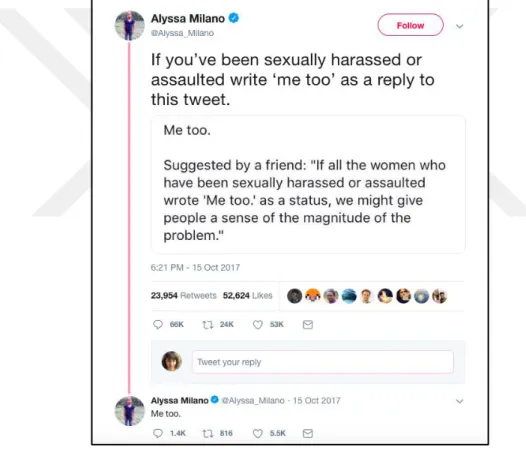
The hashtag #metoo, which was heard by almost the whole world currently, came to the agenda by famous actress Alyssa Milano on October 15th, 2017. She posted the hashtag on her twitter account, claiming that the famous Hollywood producer Harvey Weinstein harassed her. The purpose of this case is to shed the light on the prevalence of sexual harassment and "give people a sense of the magnitude of the problem" (Figure 1). This hashtag, which was immediately shared by a huge mass on almost the entire world, and many people said they were actually victims of sexual harassment, was actually put forward by the American social activist Tarana Burke in 2006, more than a decade ago.
Tarana Burke, a victim of sexual harassment herself, knows that sexual harassment is always and everywhere and always kept secret by the victims. One day while talking to a friend, she reveals that she is a victim of sexual harassment too. Suddenly, she reluctantly tries to find the right words and thinks the most appropriate word with his empathy would be "me too". In fact, since that day Burke tries to convey and spread the message “You're not alone. This happened to me too” as much as possible anywhere in the world. Thus, she tries to support the victims of sexual abuse and help them to survive, especially in low income and socioeconomic areas.12
1 https://www.biography.com/people/tarana-burke
2 https://www.chicagotribune.com/lifestyles/ct-me-too-campaign-origins-20171019-story.html
In fact, the slogan and hashtag #metoo first put forward by Tarana Burke in 2006 and are being used to remind that the victims of sexual harassment and rape on earth are not alone and that this situation is very common. However, this movement, which is in its own state, is gaining a very extraordinary acceleration in September 2017. On September 16, the famous actress Alyssa Milano, using the "#metoo" hashtag, said she was also a victim of sexual harassment and called on other victims to spread the tweet in order to reveal the extent of the problem. Shortly after the publication of this tweet, the hashtag "#metoo" starts to break records on all social media platforms. The next morning, for example, Milano's tweet reaches about 40,000 shares on Twitter.3 Facebook reports that posts about "me too" exceed 12 million within 24 hours4
Immediately thereafter, it is implicitly depicted that the responsible of this harassment is one of the most prominent and powerful Hollywood producers, Harvey Weinstein. However, this situation makes a great echo on social media in a short time. After that, around 30 famous actresses report that Harvey Weinstein allegedly harassed them in the past. 5 It is of great importance that, in the face of the fact that this current movement has made such a big echo, of
3 https://www.chicagotribune.com/lifestyles/stevens/ct-life-stevens-monday-me-too-mayim-bialik-1016-story.htmL 4 https://www.cbsnews.com/news/metoo-more-than-12-million-facebook-posts-comments-reactions-24-hours/reporting. 5 https://www.cbsnews.com/pictures/celebrities-slam-harvey-weinstein/ https://www.cbsnews.com/news/me-too-twitter-trend-sexual-assault-awareness-alyssa -milano /
course, it is of great importance that even very well-known and powerful people, can actually be a victim of sexual harassment and that this situation is quite common even in the Hollywood world. Thus, in fact, the prevalence of sexual harassment is shed light on, and not only celebrities, but also ordinary people are encouraged to publicize their self-disclosure on their social media accounts. In this way, the number of shares is growing at a very fast pace as a snowball.
Figure 1. Alyssa Milano’s tweet
However, the fact that it gains the momentum from the celebrities and movie stars adds a different nuance to the movement. This is the prevalence of cases of
sexual harassment in which individuals, especially women, are exposed in their workspaces, even in areas that are seen as highly professional.
Thus, the #metoo movement, has gained a different dimension, which emphasizes the harassment suffered by working women in particular, has exposed women in many professional fields, such as the media and fashion industry, churches, universities and other educational institutions and the military, to disclose sexual harassment incurred in the workplace, and that they themselves are victims of sexual harassment.
The Media & Fashion area is the first area to give momentum to the movement. In fact, the fact that the Hollywood stars and celebrities, which are actually seem to very strong figures with world-wide and wide admiring audiences, have been exposed to sexual harassment in the past, has been quite effective in the speed and size of this movement, because it has encouraged ordinary people to share this experience with the public.
However, the movement has also had an impact on other occupational fields. In the context of the music industry, for example, well-known musicians have stated that they are victims of sexual harassment.6
In addition, academia has been expressed as an area where sexual harassment cases are common and similar claims have been put forward by numerous
6 Https://www.billboard.com/articles/columns/pop/7998799/metoo-harrassment-lady-gaga-sheryl-crow-twitter-mor A
academics.7 These examples can be extended to institutions such as politics, sports, the army and even the church.8
For example, the hashtag "#churchtoo" in connection with “#metoo”, was created to call upon victims to share their experiences in order to shed light on the cases of sexual assault and rape in the church.9
Although it is criticized in many respects further, it is undeniable that the #metoo movement is a great watershed in increasing the visibility of sexual harassment and violation cases, which is actually a very common and ubiquitous, but still hard to overtly disclose due to still being a taboo.
Not only #metoo, but with other hashtags created with different nuances about the problem, it actually created a public discussion platform on the subject. In all these aspects, me too, which is seen as one of the movements of the century, is a big and very important example of hashtag activism.
2. LITERATURE REVIEW
The influence of social media cannot be ignored in the spread of the #metoo movement and its visibility and participation by a very large audience. This movement is further strengthened by social media as a platform where
7Https://blogs.scientificamerican.com/voices/when-scientists-say-me-too/ 8 https://www.washingtonpost.com/news/powerpost/wp/2017/10/21/senators-say- metoo-mccaskill-others-share-their-stories-of-sexual-harassment/?utm_term=.58379a147e84 9 Http://time.com/5034546/me-too-church-too-sexual-abuse/
individuals can share their individual experiences, express their ideas and actively participate in the movement. For example, according to Pew research10, about 65% of social media users in the United States said that they read content on Facebook about the disclosures of sexual harassment and violation. Until now, it has not been possible to know the extent of sexual harassment and violation cases, because it was not very easy to share these kinds of experiences by individuals, or they cannot have not been able to create a visibility even if they share it. However, the affordances of these platforms make a great contribution to the candidates who want to announce their voices through a hashtag, like Twitter.11 This movement is not only valid on the basis of individuals, but it is also important in terms of embracing the movement by big companies.12
For this reason, it should be kept in mind that when the #metoo movement is evaluated, it is actually a movement that is initiated on social media and is mostly spreading on these platforms, so that these platforms cannot be considered independent of their affordances, constraints and their internal dynamics.
For a long time since its emergence, social media has been regarded by its nature as an emancipatory and democratizing field because it allows individuals to express themselves and participate in public discussions. (Jenkins, 2006,
10 http://www.pewresearch.org/fact-tank/2018/10/11/how-social-media-users-have-discussed-sexual-harassment-since-metoo-went-viral/ 11 https://socialmediahq.com/the-metoo-movement-shows-the-power-of-social-media/ 12 Https://www.dmnews.com/channel-marketing/social/article/13034768/how-social-media-forced-brands-to-respond-to-the-metoo-movement)
Zuckerman, 2014) However, it has been recently speculated that, internet in general, and social media in particular has huge authoritarian and mass surveillance functions with public manipulation tools and marketing purposes rather than emancipatory and democratizing roles (Morozov, 2011, Tüfekçi, 2014). While the role of internet and social network sites has been pondered on the democracy and freedom from varied perspectives among scholars (Loader & Mercea, 2011), different speculations about the existence and features of a new public notion emerging through the internet, especially social media platforms have come to the agenda. The term “affective public” is an example of these public notions transformed with advent of social media platforms (Papacharissi, and Oliveira, 2012). According to them, structures of feeling open up and sustain discursive spaces where stories can be told. Affective publics are networked publics mobilized and connected (or disconnected) through expressions of sentiment, as these expressions of sentiment materialize discursively through the medium of Twitter. Structures of feeling, the storytelling structures of feeling supported and sustained by spreadable technologies afford texture, tonality, discursivity, and narrative modality to networked and affective publics. While discussions on the different public definitions arise with technological advancements has been continuing, the presence of bots, which can be described as automatic software that simulates human behavior through social media, has brought a different dimension to these discussions. According to a study by the Pew Research Institute in 201813, it was found that approximately 60% of the
content in social media was produced by bot accounts. Additionally, it is predicted that the activities of social networking bot accounts will increase at a faster pace in the future. In particular, recent analyzes reveal the impact of social media bot accounts in many areas. They direct and dominate the public discussion with automatic and predetermined content that they have created on this subject by their intervention on a topic popular in social media.14
Therefore, we should not overlook the existence and the role of bot accounts when we see this movement as a social media movement and a creation of a public to analyze the movement itself as whole, as well as the roles of different actors. From this perspective, the existence of bot accounts and their role in the discussion will be investigated in order to illuminate the characteristics and differences that emerge in the context of the #metoo debate and how it conforms to the definition of public.
To do this, first of all, we need to understand the structure of these bot accounts and their operations in more detail. Researching on how they were born and how they evolved over time will provide us with very useful information about the competencies of these accounts. In this way, we will be able to understand how
14 https://www.bloomberg.com/news/articles/2018-05-21/twitter-bots-helped-trump-and-brexit-win-economic-study-says
https: //www.cnet.com / news / twitter-bots-were-2-5-times-more-effective-than-humans-during-the-us-presidential-debate /
https://www.sciencenews.org/article/twitter- bots-fake-news-2016-election https://www.forbes.com/sites/victoriaforster/2018/08/07/research-finds-bots-dominating-discussion-about-e-cigarettes-on-twitter /
these accounts interact with people, and how they are involved in existing debates and the active roles they take in shaping them.
In short, Internet in general, and social networks in particular, have strongly linked people and enabled individuals to come together at an unprecedented rate throughout history. In our everyday lives, individuals do not communicate with each other as much as technological structures enable (interfaces, platforms, networks) which designed by someone else. In this general perspective, the study is based on the main assumption that Internet (both software and hardware) is a major instrument in shaping the public sphere, particularly in parallel with current research in political communication. In addition, not only through the Internet, but also in all cases where information generated by users is transferred between devices and converted by devices, the presence of different intermediaries within the Internet itself can be mentioned. What makes the functionality of the intermediary in this way is essentially what is called an algorithm. For this reason, many theorists argue that this is where algorithms themselves become an extension and expression of organizational structures and forms, since algorithms play a role in influencing social and social situations as well as people at least. (eg Beer, 2017; Gillespie, 2014; Pasquale, 2015) This means that the people we meet in cyberspace are now far more than who they are or what they claim because now these personalities are becoming more and more automatic and autonomous accounts from more real individuals (Howard et al 2018).
As the use of the Internet and social media becomes more and more prevalent, the concept of "bot" is becoming more and more popular. Although it is now associated with the internet and social media, the idea of the "bot" in history was born in the beginning of the 1950s, from Alan Turing's idea of creating an algorithm with the ability to communicate with a human being, on the basis of the question that whether or not computers can communicate just like human. The first bot made was Eliza (Neff & Nagy, 2016), imitating a therapist, programmed by Joseph Weizenbaum at the beginning of the 1960s. Briefly described as "automated software agents" (Geiger, 2014), the functions of the bots have evolved considerably since the 1980s. Today, bots function in many areas of our everyday life, from education to the service sector, from banking to online shopping.
Along with these developments, bots have now come to the point where they can be conceptualized as "social bots". According to Howard et al. (2016), the concept of bots has automatic softwares which enable them to create and share its own content and connect to real users, whereas the concept can be called as social bots refers to automated users who are equipped with the necessary software to enable the account to automatically interact with users without being managed by any person. These social bots, which have direct interaction with humans, generally maintain their presence in social networks by imitating real users. More importantly, social bots are not only imitating the users with many factors such as networking activities, spreading patterns and emotion
expressions, besides their content, but also try to manipulate and alter the behavior of real users in these social environments. (Ferrara et al., 2016).
In addition, the structure of bots has become increasingly sophisticated, especially over the last few years. For example, some social bots can search for information on the Internet, create their own fake profiles with the information they have acquired, and have become able to share the content and the material in a predetermined manner, spread over time by mimicking real users' social media usage and consumption habits and content sharing and activity patterns over time. In addition, social bots are able to interact and dialogue with people on much more complex topics than they have in the past, including entertaining conversations, commenting on people's posts and photos, and answering people’s questions. In addition, they are trying to attract their attention in any social network by identifying who is more popular and influential and hoping to be considered by those people. In order to be able to include an existing social network, they are able to identify related keywords and search and compile related information from the internet to produce relevant and even interesting content. An improved version of these bots, clones the behaviors of real users, interacts with their friends and social network, and shares content in a similar and timely manner to that of the original user. With all this level of development, bots have become much more sophisticated than we had ever thought, becoming increasingly difficult to identify and act against, as well as the possible harmful potentials have increased steadily and have risen to dangerous levels (Ferrara et al., 2016).
The most important of these threats can be seen as political manipulation, especially at election times. Through Botnets, which can be defined as bot armies commanded by the center, manipulation and propaganda are carried out in a way that can change the election results by means such as discrediting some predetermined candidates, disseminating and spreading the rumors and fake news about them, while promoting and glorifying the others unrealistically. Therefore, these activities carried out by botnets have serious risks to damage democracy (for example, Hegelich & Janetzko, 2016, Schafer, Evert & Heinrich, 2017, Stukal et al., 2017, Ford, Dubois & Puschmann, 2016, Chamil and Buente, 2017).
However, political manipulation is not the only area which bot accounts are operationalized for predetermined aims and targets can be considered as harmful. The rumors and fake news created and disseminated quickly and effectively by bots can cause great damage to the financial world and stock markets. Especially, the rumors about some big companies caused big drops in company shares, and many companies were negatively affected due to the fake news and rumors created deliberately by bot accounts. However, the harms of bots are not limited with this. Perhaps most importantly, they use manipulation techniques to alter the perceptions of people on any subject. The discourses created by sophisticated bots, especially those are able to steal and mimic the identities of real users, cause indirect social and economic damages. These bots use identities they stole to influence people's perceptions on many issues such as expert findings, rating results, social movements, and therefore play an unprecedented and
unpredictable role on people's perception of reality by creating fake information and causing biased impression (Ferrara et al., 2016).
In the framework of the all explained above, the main theory of the research is that, bot accounts cannot be considered as simple software codes which enable to accomplish predetermined targets, rather they have an active and dynamic interaction and relationship with human and non-human actors in the social media ecosystem which they operate in. Due to the reciprocal nature of these interactions between bots and the other users, the results cannot be considered independently from the related context and all the dynamic factors influenced (Howard et. al, 2016, Guilbeault, 2016). At this point, the concept of "technological intermediation" of Floridi (2014) can be benefitted from. This conceptualization that Floridi reveals in order to describe the roles of technological constructions in their social system is shaped around three basic criteria; interactivity, adaptability and autonomy. Interactivity means that an interactive and dynamic interaction of the intermediary with the environment it is in, whereas adaptability means that relations are carried out at the optimal level according to this orientation, and autonomy refers to the ability to recreate the rules that can provide the necessary changes in behavior according to environmental conditions. The social bots to be investigated within the framework of this research provide both of these three characteristics. For this reason, bots can be thought as technological intermediaries in social media, capable of providing dynamic and harmonious interactions within this
environment, and capable of adapting their behavior in spite of possible changes in environmental conditions.
For all of these reasons, to detect the bots which play an active role on social media environments, to determine their roles on specific public discussions and the extent of their interactions between real users has vital importance to analyze public debates on social media which can be defined as today's public sphere in a more accurate and effective way.
3. THEORETICAL FRAMEWORK
3.1. Social Sharing of Emotions
To understand the #metoo phenomenon, we must first investigate the topic on an individual level. At the most individual level, the #metoo campaign can be regarded as a self-disclosure of the individual experiences of sexual violation and harassment which is essentially a taboo even today. To shed light on the functioning of this individual self-disclosure mechanism, it would be useful to be first benefited from Bernard Rime's "Social Sharing of Emotions" and "Emotional Climate" theories. According to Rime (2009) self-disclosure of emotions and experiences is based on the mechanism of social sharing of emotion. Although sharing the individual emotions and experiences varies according to relevant emotions, people, cultural and social dynamics, the necessity of sharing emotions and experience is valid for everyone in every kind of situation. People need to share especially their negative emotions and
experiences with others, especially when they feel intense emotions, which is actually the beginning of the self-disclosure mechanism. Although Rime's social sharing of emotion theory is very valuable and useful to comprehend the dynamics of sharing emotions on an individual level and for self-disclosure processes, this theory needs to be further expanded to a public level. At this point, first of all, it is very useful to understand the notion of "emotional climate" with the role of sharing emotions in society (Rime, 2007).
Rime is actually trying to clarify the notion of "emotional climate" by questioning the link between sharing interpersonal emotion and the collective level of a feeling. According to him, sharing emotions between individuals is bi-directional, because on the one hand, an emotion tends to be shared by the person who experienced it, while on the other hand, shared emotions cause an emotional arousal by the shared others. As a result, the sharing of emotion results in an emotional rise in both the feeling and the shared person, thanks to increased empathy, while reinforcing social ties. He argues that shared emotions created a chain reaction in a community and that an "emotional climate" was created as a result of that reaction. The first is directly related to the creation of this emotional climate, and the second is to provide the group with solidarity and cooperation, and the last is to create collective memory.
According to Rime "emotional climates reflect how individuals think the majority of others are feeling in a society’s current situation" (2007, p.307). Therefore, the term emotional climate gain significance to understand societal
dynamics of shared emotions and experiences rather than an individual level. However, the creation of this emotional climate is based on objective facts, because when a collective emotional event occurs, this emotion spreads rapidly among people and plays a major role in the creation of an emotional climate. In this context, we can actually take advantage of the notion of "emotional climate" in explaining why a single woman's experience has created a worldwide movement.
According to Rime, emotions are not easily lost by the experienced person, and the more intense they live, the longer they are felt. In addition, it is not only felt by the person who is experiencing it, but also spreads beyond the person's social environment. "In sum, emotion sharing revelations that emotions expand widely both in time and in space. In other terms, decisions not only are anchored on social relationships" (2007, p.312). Although there is no direct social link between individuals at that level, this argument implies that emotional climate is experienced in a society like a network. Here, rather than social ties, it describes how emotions are echoed exocentric through a collective experience and feeling.
In other words, any collective event reflected in the media, for example, strengthens these feelings, when an emotional event is collectively experienced in a group, extends to an incredible level of spatial and temporal dimension (exocentric), and creates a connection even among people who do not necessarily know each other. From this perspective, these chained events create an emotional climate within the related community.
Therefore, as people share these common feelings, they actually create and strengthen their social memory as well as provide their presence and visibility as a group. In other words, Rime (2007) refers to the social emotional climates of the emotions that are felt on an individual basis, the formation, legitimacy and visibility of groups within society, as well as the contribution of the powerful mnemonic tool to social memory.
3.2. Intimate Publics
However, the movement cannot be explained limited to the individual level, because, this movement has gained a social dimension in a very short time, albeit a movement that initiates by sharing one's own experience. This sociality is, in fact, an intimate area, as it is linked to a common past and a feeling that is shared by people through similar experiences. The #metoo campaign is not just an expression of emotions or experiences that individuals have expressed to their relatives and their surroundings, it is therefore separated from Rime's theories. Here, through this hashtag, people on different platforms share their own special experiences with a greater extent, so this campaign gained a "public" dimension. Within this campaign, it is aimed that people who have not seen or been close for a long time or who have never known each other will also be aware of the existence of this experience. Therefore, the main motivation is slightly differentiated from the self-disclosure mechanism, which is only intended to be defined as the sharing of the person's individual experiences to his or her immediate social environment.
In the context of the #metoo campaign there is also an emphasis on a common and shared experience. The word "me too" inherently implies the experiences which is shared by the others as well. And while trying to raise a voice in some way, it also calls on those who are known or foreseen to have similar experiences to create an echo and to participate in this public. The purpose of expressing how common this experience is actually, and creating awareness by surprising others in this way, is to create a solidity by showing that those who live this experience are not alone.
Berlant (2008) notes that there is no definite distinction between the autobiographical/personal one and the general one based on her own example at the beginning of her study. According to her, in contemporary consumption society, "all sorts of narratives are read as autobiographies of collective experience. The personal is the general. Publics presume intimacy". Therefore, it can be implied that her aim is not only to deal with autobiography, because, according to her, personal is already public due to its echoes generated in a specific public sphere thought the common and shared experiences. (Berlant, 2008, p.1)
According to Berlant (2008), what makes a public an intimate is the common historical experiences and emotional accumulation of these experiences, rather than the fact that individuals admit their autobiography in a community of strangers. In other words, she emphasizes the role and the significance of the historical background in the emergence of this experience rather than one's own
personal and intimate experience. This historical background is not only in the context of experience, it brings together a number of emotional states and emotional knowledge accumulated through these experiences. An intimate public is constituted due to individuals with similar emotional ties through the common historical backgrounds.
Berlant considers this intimate field to be an area in which an identity is constructed. In her study, she argues that, although in general the woman and their stories has been focused until now, the situation experienced by non-privileged individuals creates a space of empathy, creating a support mechanism between individuals who do not know each other, but have a common historical and emotional bond. According to her, these vulnerable individuals "at the same time they develop their own networks of sympathy and recognition that create alternative spaces of survival and solidarity" (Berlant, 2008, p.4)
At this point, the most important points to be mentioned are that people who are completely unfamiliar with each other should be literate into each other's feelings, and have common feelings, desires and pains arising from similar experiences. As mentioned before, it is a field of belonging created by the sense of partnership and the support it provides during the process of everyday life, during the survival of these individuals and during the struggle for life. In this way, the presence of this intimate field, and the awareness of this field's presence, provides confidence and comfort in relationships with the outside world.
It is impossible to comprehend this movement independently from the affordances and constraints of the digital platforms which mediates the communication between each other. In the age of social media spreading over the Internet and a wide range of uses, it is possible to talk about the existence of platforms where individuals can not only share their ideas, feelings and experiences, but also come together for a purpose. The #metoo movement is also an example of the fact that individuals who are quite independent from each other are connected to this subject by using the possibilities of the digital age and most importantly, an action is introduced through this link.
However, the digital age we experience should not be considered as limited by providing the connection of individuals only. From a material point of view, it is possible to conceive it as an ecology, because the internet and all of the platforms have their own certain affordances, constraints and modus operandis. Discussing and enlightening the intentional or unintentional phenomena resulting from the material elements of each platform is of vital importance in terms of understanding the dynamics of the topic.
We assume that publics are something entirely populated by humans and their interactive engagements, but what if this was not entirely true? Evidence shows that bots are just much part of the conversation as human users. Accordingly, one may argue that a theoretical framework which acknowledges both humans and non-humans needs to be applied to the #metoo phenomena. In order to achieve
this, the Actor Network Theory will be adopted as the main theoretical framework of this study.
3.3. Actor-Network Theory
Actor network theory (ANT), in its attempt to make sense of the social world, simply identifies everything as a network that is intertwined with each other, and in a process of change and transformation. This theory and methodological approach which has the aim to comprehend and define the social is distinguished in many respects from its ancestors. One of the founders of this theory, Callon (1986), Latour (2005) and Law (1986, 2007) first began to study the production process of scientific knowledge. According to them, focusing only to the actions of the scientist's in the production stage of a scientific knowledge will be reductionist. Instead, they argue that it is necessary to view the current situation in terms of all its dynamics and to see the finding as a result of the interaction with other factors, rather than focusing merely by the action of one or the other. For this reason, they prefer to see scientific studies as a dynamic network of interactions, rather than fixed, complete and already given. By seeing them as a dynamic network with many different institutions, organizations and interactions, Cressman (2009) claims that Actor Network Theory prefers to consider science and technology as in the making rather than as a fixed and already given.
3.3.1. Actor-Network
From this point of view, there are some basic principles and definitions on which the actor network theory is based. To better understand the theory, it is necessary to shed light on them. These terms must be explained firstly because they prefer to define social as a network of actors who interact with each other. For example, in the Latour’s study (2005, 2017), it is argued that to understand the social, instead of large and global terms such as institute, organization, and nation, social and political terms should be looked at in more micro-scale and contextual dimensions and shed light on small-scale associations. In doing so, however, he warns that focusing on only humans and overlooking links between other people and non-human actors will be incomplete in terms of social meaning. Instead, he says that we must define all social life through networks between human and non-human. According to him, this is how we have achieved the "very essence” in of society and nature.
3.3.2. Network
All these conceptualizations so far, in fact, require a better explanation of the term network. In short, all dynamics in material and social life can be defined and explained in the context of heterogeneous networks because, all these networks are based on associations. Through these associations, which can be assigned to all human and non-human actors, heterogeneous networks are formed, which we can define everything through themselves. According to Cressman (2009), this has two main consequences; the social world is not merely
social ties, nor can it be fully ignored. These networks, which are comprised of people, economics, business and education, are heterogeneous. Secondly, in these networks, which consist of dynamic, heterogeneous and interrelated actors and associations, we cannot speak of a fixed, static, and premise, but a distinction, such as micro and macro, has lost importance.
Emphasizing that the relationship between natural and social science and the artefacts produced by the engineers cannot be ignored, ANT aims to develop a network-like ontology for the social factory. In this way, the actor looks at the network term to understand the network conceptualization and its ontology, and it is necessary to examine exactly what it stands for and what it contains.
In the context of ANT, it describes the properties of the networks. (Latour, 2017) First of all, there are no concepts such as proximity-distance in these networks. Rather, there are not such concepts as proximity to what needs to be addressed, because they assume that they are variable. According to him, since everything within this network is in fact composed of associations, the relative positions of the actors do not actually mean anything in reality as saying that "the notion of network helps us to lift the tyranny of geographers in defining space and offers us a notion which is neither social nor “real” space, but simply associations." (Latour, 2017, p.5).
Second, within these networks, it is not possible to make distinctions such as macros and micro, and that metaphors such as schools, institutes, families, and communities, which depict any scale are meaningless. There can only be used
the metaphor of “connection”. Because, according to him, these scales in reality are also fluxional and unnecessary to make sense of social dynamics. What needs to be emphasized rather than the scale, how the actors in these networks are connected with each other. Here, he emphasizes that a more qualitative distinction is meaningful. “The whole metaphor of scales going from the individual, to the nation state, through family, extended kin, groups, institutions etc. is replaced by a metaphor of connections. A network is never bigger than another one, it is simply longer or more intensely connected." (Latour, 2017, p.5). In addition, within a network, any notion that one not be superior to another. In the end, when we see everything as a network of dynamic interactions, the unique qualities that a notion or property possess are not meaningful but can be evaluated according only to the nature of the interaction with others. For this reason, we cannot talk about a situation where any notion alone and independent from others. “A network notion implies a deeply different social theory: it has no a priori order relation; it is not tied to the axiological myth of a top and of a bottom of society; it makes absolutely no assumption whether a specific locus” (Latour, 2017, p.5).
Finally, in the context of the network, Latour says that we cannot talk about any inside and outside situation, and a border separating inside and outside. According to ANT, the limit is actually the network itself, because it consists of all of the network as a variable and a dynamic connection. "Inside/outside: the notion of network allows us to get rid of a third spatial dimension after those of
far/close and big/small. A surface has an inside and an outside separated by a boundary. A network is all boundary without inside and outside." (Latour, 2017, p.6).
In summary, the network is not actually a "thing", only a record of the movements, according to ANT. Moreover, we cannot say precisely what is in this network, because it is expanding and growing in an ongoing circulation and flow. This is the reason of why we cannot make a distinction between "inside" and "outside". Of course, not only the term “network” is enough to explain all of the theoretical perspective, but we also need to talk about the term “actor”. In order to define the actor network, as a hybrid notion, we must move away from the static and topological features and head towards the dynamic and ontological ones. "The new hybrid “actor-network” leads us away from mathematical properties into a world which has not yet be so neatly charted. To sketch these properties, we should now move on from static and topological properties to dynamic and ontological ones" (Latour, 2017, p.6).
3.3.3. Actor
In order for the actor network theory to be understood, Latour considers that the actor conceptualization should be explained, and explains what the actor term refers to under the ANT. First of all, he says that the actor doesn't actually point to a certain power as previously thought, and that it's wrong to perceive this as the person who holds this power, or who uses it for it. Since everything in the
network is fluctuant and transitive, consists of associations, all other dynamics like power cannot be considered as static and forever stable (Crossman, 2009). Additionally, it is argued that the definition of the actor is not necessarily human, but that there may be any "thing" that has the resources to carry out an action. Here it can be understood that it does not distinguish between human and non-human. Also, the actor cannot be reduced to any model or to a list of certain competences. Because everything is contextual according to ANT, the actor is defined not only that as a human being who has the power to do a job, but a concept that makes a difference in the way it interacts, considering all the dynamics there. However, the difference here is not necessarily due to the specific qualities or competencies of the actor but is shaped by the contextual dynamics that exist.
Therefore, Latour claims that actors are not actually fixed entities, but rather we can talk about more dynamic and interchangeable flows in relation to each other as “actors are not conceived as fixed entities but as flows, as circulating objects, undergoing trials, and their stability, continuity, isotopies has to be obtained by other actions and other trials" (Latour, 2017, p.8).
Therefore, instead of determining in advance how an actor should act, or which associations are allowed or prioritized, he denies any assumption. According to him, the behavior of actors and associations in this network cannot be known and free. "Instead of constantly predicting how an actor should behave, and which association are allowed a priori, AT makes no assumption at all, and in order to
remain uncommitted needs to set its instrument by insisting on infinite pliability and absolute freedom." (Latour, 2017, p.9).
3.3.4. Non-human Agency
We have mentioned that ANT, in itself, actors do not distinguish between human and non-human and ANT inclines to give equal role to both of them. However, there is a need for more detailed information on the exact role and function of humans and nonhumans, especially in the context of the agency. Sayes (2014) meticulously interrogated what nonhuman agency means in the context of ANT, by benefitting from the existing literature. According to him, this nonhuman subject, which may be perceived as an umbrella term, has some limitations, however broad it may be. Therefore, it is examined under tree separate titles to evaluate non-human agency in the context of ANT. First of all, he mentioned that nonhuman is an indispensable condition for any possible human community. Many ANT theoreticians argue that especially artefacts and machines play an indispensable role in creating the social. It is absolutely necessary to establish ties with artefacts for "maintaining the solidity of human society" (Sayes, 2014, p.137).
The first case is that the nonhuman is a mediator, where it first deals with the difference between intermediary and mediator. According to him more than mediator intermediary. In fact, “intermediary” expresses the situation where an actor is located just by his position. In this case, it is possible to consider non-human as an intermediary, but Sayes argues that it would be incomplete, because
according to ANT, non-humans do not only exist in terms of location, but also have a place in the associations and interaction chain. Thus, they allow the whole to have more value than the sum of all its parts. For this reason, they cannot only be perceived as stationary objects, but they also have a role as a part of this interaction chain. And they have a leading role in changing the shape of relationships between people (Sayes, 2014).
Second, he emphasizes the fact that nonhumans actually carry moral and political associations. First of all, he benefited from the Latour’s seatbelt example (1989, 1992) to explain how nonhumans definitely have moral and political associations. According to him, the necessity to use seatbelt carries both moral and political associations both when the car gives warning signs and also stop functioning.
Moreover, based on this example of seatbelt, nonhumans have the role to self-discipline of people. If we initiate the agency inquiry here, and define the agency as purposeful action, we can only evaluate it as a human attribute. But the main question here is whether the existence of nonhuman agency or they interact in the direction of purposeful action. Therefore, it is guaranteed that, nonhumans can be considered as lack of agency. However, it is not the consideration here that, nonhumans are unable to perform any purposeful action, therefore they cannot be considered as agents. The main consideration at this point is that people are responsible for choosing their own moral and political associations, and that is why this creates accountability. In other words, nonhumans also have inherent
moral and political associations, which may not have the ability to create a purposeful action by themselves, but the people have the ability to choose to any nonhuman, which ones they will interact with, and even how to use them. In this case, nonhumans do not have the opportunity to create any purposeful action, but because of their own moral and political tendencies and associations, they contribute to people’s actions. "Thus, we should not be concerned with whether nonhumans are understood to possess the ability to make moral or immoral decisions – this is not suggested. Rather, what is elided and made impossible is the question of responsibility – of which individuals and groups should be held accountable for our moral and political associations." (Sayes, 2014, p.140). In the last case, he regards nonhumans as a “gathering”. That's exactly why we cannot load a morality or politics on their own, so we can evaluate them in the context of their associations. This leads us to define them as gatherings within this chain of relations, not by themselves. "The relevant point for current purposes is that morality and politics should not be linked to nonhumans separated from all other actors, but to associations…This does not mean, to be sure, that nonhumans are divorced from the question of morality or politics. Rather, it means only that when one considers the relationship between a nonhuman and morality or politics, one must consider the associations of which it is a part." (Sayes, 2014, p.140).
It is precisely because of this contextuality, temporality and ontological conditions that underlie the notion of actor-network. We cannot evaluate all
actors- including nonhuman ones- outside this boundary. Instead, we can handle positions in networks that have been structured in different ways.
There are two important points, one is to be considered an action as an interaction, and another is to see nonhumans as part of this interaction. Therefore, a nonhuman is not fixed in the relationship with a certain actor. The only reason for this is not the context of time, but also the interaction with other actors. Therefore, we cannot add value and meaning to a nonhuman, regardless of its context, its status in the network, or its interaction with other actors. Ignoring all of these situations, an artefact does not just make sense as an “artefact”, no moral, political or otherwise. However, it will vary according to the relationship with other actors and the state of that relationship.
ANT is specifically emphasizing the term agency at that point. Here, it is breaking free from situations like free will, intentionality, but the purpose is not to shrink the term, as seen and criticized at first glance. Here, in fact, it describes a kind of action when defining the agency. While ANT describes the situation as something more, in fact, he argues that the standard measure for an agency ceases to be human, and it depends on the answers to the question of whether it actually makes a difference. If the actor's presence and action make any difference in that context, we can talk about an agency here. In this context, ANT is moving towards a different agency definition that will not exclude human agencies but slightly extend it. "Thus understood, ANT adopts a complicated but nonetheless minimal conception of agency. It is minimal because it catches every entity that
makes or promotes a difference in another entity or in a network. Latour (2005) maintains that one need only ask of an entity ‘[d]oes it make a difference in the course of some other agent’s action or not? Is there some trial that allows someone to detect this difference?’ If we can answer yes to these two questions, then we have an actor that is exercising agency – whether this actor is nonhuman or otherwise." (Sayes, 2014, p.141).
Here, the factor that gives a new dimension to the definition of public lies in the definition of this agency. As Guilbeault argues that “"bots are evolving and their most recent form, the social bot, has the capacity to enact systematic and measurable influence because of critical changes in its environment...While entirely new habitat, and social bots are among the new forms of agency that social media habitats grow, bot agency is the product of mutually transformative interactions among humans, bots, and their environment." (Guilbeault, 2016, p.5010-5011). Because according to ANT, the concept of agency becomes meaningful with the changes they make on the environment in which the agents are located, it will be plausible to mention about a new public definition which includes the bots as active agents when their intervention to a specific discussion is considered.
3.4. Networked Individualism and Networked Publics
Since Habermas (1989), within the framework of all social sciences, the concept of public and the public sphere have undergone very serious transformations. Beyond
the bourgeois public sphere of Jurgen Habermas, Nancy Fraser (1990) came up with a new public sphere understanding, who criticized him by bringing a feminist perspective to the concept of public sphere. Michael Warner (2002) argues that, there cannot be mentioned in a single homogeneous public, and the concept of public described should be understood as many independent and even opposing publics, by taking into account especially marginalized communities, put forward the term “Counter Public”.
Therefore, before discussiong any public concept, it is necessary to state exactly what boundaries and definitions it is. In the context of the #metoo movement, this study is attempt to reveal the public concept within the intervention of bot accounts based on Barry Wellman's “Networked Individualism” and Danah Boyd's “Networked Public” theories.
Sociologist Berry Wellman (1979), focuses on patterns of social relations, rather than on any specific social group. According to him, all social relations is based on the network pattern. Wellman argues that in order to understand an individual, we need to examine his social relations, which can be explained by the notion of social network rather than by community. He therefore emphasizes the need for social network analysis to conceptualize the diffusion of ideas and knowledge. In this way, in fact, it does not reject the concept of community, but according to him, understanding the community in which he is involved to understand an individual can be just the beginning step (Wellman, 1979).
His study “The Community Question” re-evaluates the concept of community discussed over a long time from the perspective of the social network concept. According to him, the notion of community still exists, but this concept has become more personal and less local (Wellman, 1979).
In addition, one of the most important contributions of Wellman is that social networks and social network analysis constitute a paradigm, not merely a method. According to him, social network analysis is not only a tool, but it also has generative role of social. The basic assumption of the theory is that it accepts the existence of specific patterns in establishing the relationship between individuals. According to him, relations between individuals are based on these specific patterns, independent of categorical classifications such as personality, gender or race. Of course, these personal and categorical factors play a role in the dynamics of relationships, but these factors are not always rigid and fixed, but rather different roles are assumed by context. Therefore, the term network is much more appropriate in this context, because the development of ideas is not spontaneous, which in fact requires the following of specific routes among specific people (Wellman & Milena, 1999).
However, the limits of the networks defined in this way are not clearly defined. For this reason, Wellman reveals the term egocentric network. He prefers personal network instead of personal community and according to him, although the limits of the personal network and the information flow here is not very precise, the term personal network is important in showing how individuals
respond in certain specific situations, and how they are organized in a more global context (Wellman, & Haythornthwaite, 2002).
According to Wellman, the development of information communication technology has made it possible to transform from a group-oriented relationship to a networked individualistic ones. In other words, he prefers to explain the relationship between individuals with a network metaphor instead of a group metaphor. According to him, in networked societies, borders are more volatile, interactions between individuals are more diverse and hierarchical structures are more complex, unlike in form of group-based relations (Wellman & Milena, 1999)
Thus, well before the spread of the Internet, Wellman introduced the term networked individualism. This term emphasizes the existence of connected individuals rather than the classical model, that assume hierarchical bureaucracies in social structures and tightly connects individuals within themselves (Wellman, & Haythornthwaite, 2002).
Danah Boyd (2010) coined with the term "networked publics" to describe the notion of public emerging through social media sites. According to her, the networked publics, of actually in many ways matches the public who have existed, including its functions. For example, this new public still allows people to come together for social, cultural and civic purposes, and enable the connection not only with close friends or families, but also with people who are beyond the reach of others.
However, there are some differences and new dynamics in networked publics. Considering the affordances and limitations of technology which provide this connection, all kinds of dynamics of this networked public in fact cannot be considered independently from dynamics as well as affordances and the limitations of the platform itself which mediates this interaction.
According to Boyd (2010), with the mediation of this technology, has changed the way people interact with each other. The traditional definition of the term public has changed through the intervention of these technologies, which enable people to come together and interact independently of time and space constraints, thus transforming the public perception. It is possible to see these network technologies as an architectural field because they have a large role in both the flow of the information and the interaction of people with each other, with the features as profile pages, friend lists and public communication features and with affordances as persistence, replicability, scalability and searchability.
This effect not only changes people's relationships with social media and their experience of acquiring information, but also influences the way they experience everyday life in a more comprehensive way. From this point of view, the existence of different forms of interaction and definition of the notion of “publics” can be mentioned which are derived from the affordances, constraints and idiosyncratic dynamics of a specific communication technology.
4. RESEARCH QUESTION
The study has two objectives. The first is to comprehend how the #metoo movement creates a public in the social media particularly in Twitter platform. In the scope of the research, the dynamics and roles of actors involved in the #metoo movement will be questioned to provide a comprehension about the modalities of this idiosyncratic public. The general questions to be answered in the study is how a public has been created in the context of the discussion, how this public fit into the previous definitions of public, and how this public can extend the previous definitions of the notion of public by considering the intervention of nonhuman actors of the movement.
In line with this general aim of the study, the main research focus can be generalized as to investigate the role of twitter bots in the spreading, directing and shaping of the #metoo movement. However, this general question can be divided into many sub-questions. In order to be able to perform this analysis, it is necessary to be able to detect these bot accounts by distinguishing them from real users. Therefore, the first sub-question is the identification of twitter bots within the #metoo movement. After determining the presence of these bots, more detailed analysis will be performed to reveal their roles through their volume of intervention. For this purpose, the number of bots, the amount of content they produce, the number of people they interact with, and the extent of their existence in the discussion will be primarily questioned.
While, answering to these questions will provide an overview of the existence and the general role of the bot accounts within the #metoo discussion, a content analysis is required to conceptualize their contribution to the discussion. Therefore, the content produced by these bots will be evaluated qualitatively and ideologically, to develop an understanding of the characteristics and dynamics of the public constituted by the participation of the bots. In short, when all these are formulated as sub-questions, the questions that are expected to be answered within the scope of the study are as follows;
What is the density of the bots and the number of shares in #metoo movement?
What is the extent of relation and proximity of the bot accounts with other actors?
How is the interaction of bots with other users?
What are the ideologies and the contents produced of the bots within #metoo movement?
Finally, network analysis will be conducted in the context of these sub-questions in the research to be carried out on the role of bots in this discussion and the way in which the discussion is directed.
5. METHODOLOGY
Within the scope of the study, both network analysis and content analysis of these accounts was used to understand how active the bot accounts were and how they
interacted with other users. Social network analysis focuses specifically on identifying and forecasting connections, relationships and influence among individuals as well as groups. It is mostly based on the visualization of the “who is following who?” graph that highlights the structure of the network’s relationships (Grandjean, 2016). The SNA approach has proven to be particularly popular within the realm of social media and even more so Twitter research, with much of the empirical research focusing on the networks and patterns of interaction that emerge by an analysis of specific hashtags in which politicians are just among many other actors (Burgess and Bruns, 2012; Larsson and Moe, 2011; Small, 2011). Numerous studies that specifically investigate the tweeting behavior of politicians are also based on social network analysis (Vergeer et al., 2013). Another use of social network analysis is concerned with measuring influence (Suh et. al, 2010; Subbian and Melville, 2011), particularly in political communication (Stieglitz and Dang-Xuan, 2013). It is also important to note that there also exists a massive body of literature on engagement and interaction among Twitter users including voters, politicians as well as candidates during various political election campaigns (Dang-Xuan et al., 2013; Freelon and Karpf, Jungherr, 2016; Jürgens and Jungherr, 2015; 2015; Sreekumar and Vadrevu, 2013; Song et al., 2014; Yardi and Boyd, 2010).
In order to observe the potential activities and changes here, the data collected over 12 weeks (18/10/17 – 09/01/18) after the #metoo movement has started was analyzed. To be able to catch the tweets related with the movement, the hashtag
#metoo was used. Therefore, all the tweets contain the hashtag #metoo were obtained.
First of all, most active users have been determined for each week using the DMI-TCAT15 tool, from tweets taken from the Twitter stream. The Twitter Capture and Analysis Tool (TCAT) platform allows for a data collection strategy based on hashtags/keywords and has a number in built features which allow for basic metric as well as statistical analysis (see Borra and Reider 2014).
Then, by looking at the 10 most active accounts for each week, a 3-step method was used to detect the bot's status. A total of 80 unique accounts were entered into the individual Botometer16 program which is developed by the Indiana University Network Science Institute (IUNI) and the Center for Complex Networks and Systems Research (CNetS). The list of accounts was then fed into BotoMeter, which is based on a machine learning algorithm trained to classify an account as bot or human based on tens of thousands of labeled examples (Varol et al., 2017)17
This program calculates the probability of a Twitter user being a bot by measuring it on some specified metrics. However, since the reliability of this
15 https://wiki.digitalmethods.net/Dmi/ToolDmiTcat 16 https://botometer.iuni.iu.edu/#!/
17 When an account is checked by Botometer, your browser fetches its public profile and
hundreds of its public tweets and mentions using the Twitter API. This data is passed to the Botometer API, which extracts about 1,200 features to characterize the account's profile, friends, social network structure, temporal activity patterns, language, and sentiment. Finally, the features are used by various machine learning models to compute the bot scores.
program is not 100%, as a second step, each account that was detected by this program as a bot was checked one by one manually. In order to do so, the basic criteria set by the Oxford Internet Institute18 for qualifying an account as a bot are accepted as the base. According to this approximation, it can be considered as an account bot with a total of more than 50 tweets in one day. At the same time, however, the details of an account's profile photo and the information in its profile give an indication of whether the account is a bot or not. Accordingly, anonymity, such as the absence of a profile photo of the account or the absence of any explanatory information about the account, increases the probability that the account is a bot. Therefore, in the second stage, these criteria were also taken into account. In the final stage, the nature of the tweets thrown on the account side is taken into account, and the high likelihood of a bot is taken into account if the tweets contains #metoo hashtag repetitively posted and are identical, especially if they contain news or advertising. As a result of the detection study carried out by using this three-step method, 28 of the 80 unique accounts were definitely bot. As it can be understood from this review, among the most active users, it is accepted that the %35 of the #metoo discussion is operated by bot accounts. This such a large number indicates the importance of a more detailed analysis on bot accounts in the discussion.