Urgent Bronchoscopy for Foreign Body Aspiration 48 Children
among 1096 Patients
A B S T R A C TObjective: Foreign body aspiration is a potentially life-threatening emer-gency in children. Urgent rigid bronchoscopy should be performed when presentation includes severe respiratory failure with suspicion for FBA. To the best of the knowledge, this is the first study that evaluates URB in English literature.
Methods: Forty-eight patients who underwent urgent rigid bronchoscopy were included in this study. From the medical records, the patients’ demo-graphic characteristics, hospital arrival time, endotracheal intubation status, peripheral oxygen saturation, bronchoscopy results, type and location of for-eign body , intraoperative and postoperative complications, mortality, X-ray results, length of hospital stay were evaluated.
Results: Twenty-four of the 48 patients were non-intubated. Peripheral oxy-gen saturation values were 60±14.40 in the preoperative period. There was not any statistically significant difference between intubated and non-intu-bated patients in terms of intraoperative and postoperative complications. There was not any statistically significant difference between patients with
negative and positive results for bronchoscopy in terms of intraoperative and postoperative complications.
Conclusions: Bronchoscopy is not without risk; however, it is a life-sav-ing procedure. Despite negative foreign body results, urgent bronchoscopy should be performed in suspicious cases.
Key words: Foreign body, aspiration, pediatric, urgent bronchoscopy.
ORIGINAL ARTICLE
acta medica
Alper Avcı* ,[MD] ORCID:0000-0001-9337-3030 Onder Ozden1 ,[MD] ORCID:0000-0001-5683-204X Zehra Hatipoglu2 ,[MD] ORCID:0000-0001-9337-3030 Serdar Onat 3,[MD] ORCID:0000-0001-7581-59661.Department of Pediatric Surgery, Faculty of Medicine, Cukurova University, Adana, Turkey.
2.Orcid No: 0000-0001-7581-5966 Department of Anesthesiology and Reanimation, Faculty of Medicine, Cukurova University, Adana, Turkey.
3.Orcid No: 0000-0001-7581-5966 Department of Thoracic Surgery, Faculty of Medicine, Dicle University, Diyarbakir, Turkey.
* Correspondence author: Alper Avci, MD
Department of Thoracic Surgery, Faculty of Medicine, Cukurova University, Adana, Turkey.
E-mail address: [email protected] Fax: +903223386900
INTRODUCTION
Respiratory emergencies are one of the most common reasons parents seek evaluation for their children in the emergency department (ED). Respiratory failure is the most common cause of cardiopulmonary arrest in pediatric patients [1]. Foreign body (FB) inhalation or aspiration is the sixth most common cause of accidental death in children in the United States [2]. Foreign body as-piration (FBA) remains a common and life-threaten-ing emergency in children in spite of improved rec-ognition and management.
Seventy percent of FBA occurs in children aged younger than 3 years [3]. There are developmental factors specific to this age group that increase their risk for aspiration including lack of posterior mo-lar dentition, poor coordination of swallowing, the higher position of the epiglottis, easy distraction, talking or crying during eating and oral exploration [4,5]. Children with FBA have a wide range of pre-sentation to the ED from the non-symptomatic ap-plication with FBA history to cardiopulmonary ar-rest, depending on the anatomic location of the FB, Received: 10 Agust 2019, Accepted: 11 September 2019,
Germany) was made in accordance with the manu-facturer’s recommendations. Patients with negative RB underwent esophagoscopy at the same time. A single-dose antibiotic was given, intravenously. Prednisolone (1 mg/kg) was administered intraop-eratively to prevent airway edema. After bronchos-copy, all patients were transferred to the intensive care unit (ICU) where they received standard mon-itoring. The patients who were intubated received mechanical ventilation. Cold steam and nasal oxy-gen were administered to non-intubated patients. Chest X-ray was performed 4 hours after bronchos-copy in all patients. Follow-up of the patients in-cluded a physical examination and chest X-ray on the 10th day after discharge.
From the medical records, the patients’ age, sex, hospital arrival time, physical examination findings in the ED, endotracheal intubation status, peripher-al oxygen saturation (SpO2), bronchoscopy results, type and location of FB, intraoperative and erative complications, intraoperative and postop-erative mortality, chest X-ray results, medical treat-ments after bronchoscopy and length of hospital stay were recorded.
Statistical analysis
All analyses were performed using SPSS Statistics, version 20.0, IBM. Descriptive statistical methods were used to analyze the data. Categorical variables are expressed as number and percentages, where-as numeric variables are expressed where-as the mean and standard deviation or the median and interquartile range (IQR), where appropriate. The Chi-square test was used to compare categorical variables between the groups. The statistical level of significance for all tests was considered as 0.05.
RESULTS
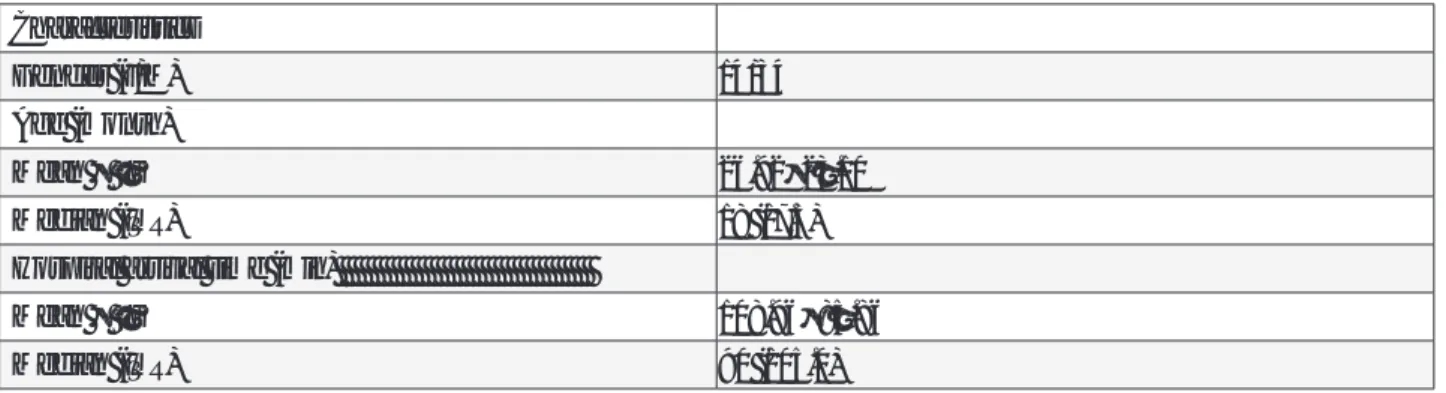
Forty-eight patients were analyzed in this study. Demographic characteristics including sex, age and hospital arrival time are shown in Table 1.
the degree of airway obstruction, the elapsed time from aspiration to hospital admission, and the pres-ence of complications [5].
In both adults and children, airway obstruction is as-sociated with severe hypoxia and cells are negative-ly affected by inadequate levels of oxygen [6]. In this case, urgent bronchoscopy is a life-saving method for patients with FBA who have a respiratory failure (poor or absent respiratory effort, poor skin color, obtunded mental status). We aimed to evaluate ur-gent bronchoscopies applied to children who had poor clinical status in the ED and to determine the objective criteria for patients who need to undergo urgent bronchoscopy.
MATERIALS AND METHODS
Medical records of 1096 children who underwent rigid bronchoscopy between January 2005 and December 2016 in departments of thoracic surgery and pediatric surgery of two universities were re-viewed retrospectively. Forty-eight patients with severe respiratory failure and strongly suspected FBA were included in this study.
All patients underwent rigid bronchoscopy (RB) within 30 minutes. The exception of endotracheal intubation for clinical and respiratory stabilization, RB was given priority over all other stabilizing treat-ment (e.g., bronchodilator treattreat-ment), fasting peri-od completion, and radiologic examinations. Standard monitoring (electrocardiography, non-in-vasive blood pressure, pulse oximetry, and end-tid-al carbon dioxide) was applied to patients in the op-erating room. Rigid bronchoscopy was performed under general anesthesia. General anesthesia and RB were performed by experienced anesthesiolo-gists and thoracic surgeons or pediatric surgeons, respectively. The sizing of the RB (Karl StorzTM,
Characteristics
Gender (F/M) 14/34
Age (month)
Mean ± SD 26.92±23.10
Median (IQR) 18 (17.5)
Hospital arrival time (min)
Mean ± SD 108.96±85.86
Median (IQR) 90 (105.0)
Table 2. Preoperative evaluations of patients
Foreign body
Positive Negative Total
(n = 39) (n =9) (n = 48) Chest X-ray None 24 (66.7%) 5 (41.7%) 29 (60.4%) Normal 6 (16.7%) 5 (41.7%) 11 (22.9%) Atelectasis 1 (2.8%) 0(0.0%) 1 (2.8%) Consolidation 0 (0.0%) 2 (16.7%) 2 (4.2%) Asymmetric hyperinflation 5 (13.9%) 0 (0.0%) 5 (10.4%) Auscultation findings Stridor 16 (44.4%) 4 (33.3%) 20 (41.7%) Wheezing 7 (19.4%) 6 (46.2%) 13 (27.1%)
Unilateral diminished breath
sounds 12 (33.3%) 2 (16.7%) 14 (29.2%) Physical examinations Tachypnea 39 (100.0%) 9 (100.0%) 48 (100.0%) Intercostal retractions 27 (75.0%) 5 (41.7%) 32 (66.7%) Nasal flaring 24 (66.7%) 5 (41.7%) 29 (60.4%) Cough 27 (75.0%) 6 (50.0%) 33 (68.8%)
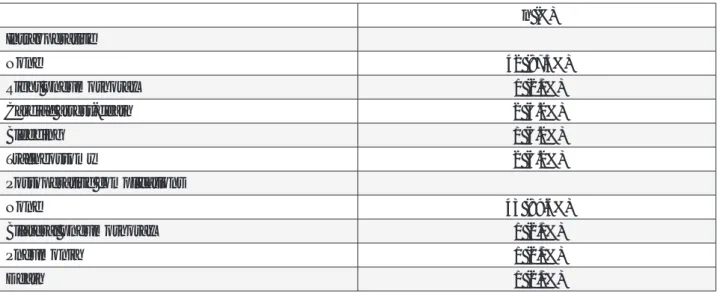
Twenty-four (60.4%) patients underwent URB procedures at nighttime hours (16:00 pm to 07:59 am), and 19 (39.6%) underwent URB during daytime hours (08:00 AM to 15:59 PM). The result of bronchoscopy was nega-tive in 9 patients (18.8%, 4 intubated and 5 non-intubated). Foreign bodies within the tracheobronchial tree and esophagus were removed in 39 patients (81.2%). The nature of the aspirated foreign bodies was food in 84.6% (mainly seeds, maize, and beans). In patients with negative FB, laryngotracheitis (n=5), pneumonia (n=3) and intoxication (n=1) were diagnosed in the postoperative period. The majority (n=16, 33.3%) of the foreign bodies were located in the right main bronchus and 10 (20.8%) were in bilateral bronchi (Table 3).
n (%)
None 9 (18.8%)
Right main bronchus 16 (33.3%)
Left main bronchus 4 (8.3%)
Bilateral bronchi 10 (20.8%)
Trachea 6 (12.5%)
Esophagus 2 (4.2%)
Oropharynx 1 (2.1%)
Table 3. Localizations of foreign bodies
At the end of the surgery, all the patients were transferred to the ICU. Only 6 patients were intubated and received mechanical ventilation postoperatively. Postoperative chest X-rays of 42 patients were normal. Six patients had atelectasis (n=1, 2.1%), bilateral pneumothorax (n=1, 2.1%), and consolidation (n=4, 8.3%). Table 4 shows intraoperative and postoperative complications. The mortality rate was 6.2% (n=3) in the perioper-ative period. No statistical differences were found between intubated and non-intubated patients in terms of intra-and postoperative complications (p = 0.19 and p = 0.23, respectively).
Table 4. İntraoperative and postoperative complications n (%) Intraoperative None 42 (87.5%) Right pneumothorax 1 (2.1%) Cardiac arrest-death 2 (4.2%) Bleeding 1 (4.2%) Tracheostomy 2 (4.2%) Postoperative complications None 43 (89.6%) Bilateral pneumothorax 1 (2.1%) Pneumonia 1 (2.1%) Death 1 (2.1%)
Additionally, there were no statistical differences between patients with negative and positive re-sults for bronchoscopy in terms of intra-and post-operative complications (p = 0.69 and p = 0.18, re-spectively). In the postoperative period, 2 children with respiratory distress underwent repeat bron-choscopy within 4 days, and the result of the sec-ondary procedures was negative for foreign body.
DISCUSSION
In this study, we evaluated the approach of ur-gent bronchoscopy under general anesthesia in life-threatening FBA in children. We found that ur-gent bronchoscopy in these patients was safely ap-plicable regardless of preoperative fasting times. In our study, the average age of the patients was 18 months, and the male/female ratio was 2.4/1. The demographic characteristics of the patients are compatible with similar series in the literature [7]. Children with airway obstruction were iden-tifiable through the presence of severe respirato-ry distress and cyanosis. These patients should be transported to the hospital as soon as possible. In the present study, the average time of hospital ar-rival of patients was 90 minutes after aspiration. It is known that rapid intervention is associated with decreased edema and/or inflammation of the re-spiratory mucous membranes [7].
The nature of foreign bodies aspirated is similar to other studies in the literature. The majority of FBs were located in the right main bronchus. This is an
right bronchus [8,9].
The anamnesis of the patient given by the parent is the most sensitive predictor of the presence of FBA [10]. In the current study, all patients were admitted to the ED due to suspected FBA history. Nevertheless, anamneses given by parents may be misleading and should be evaluated carefully. For example, the result of RB was negative in a male child aged 18 months with respiratory distress. After the procedure, the parents claimed that there may also be a suspicion of insecticide poisoning.
Physical examination findings are not as sensitive as anamnesis, but they are more specific [10]. In pa-tients with suspected FB, the classical triad of preop-erative signs and symptoms include a sudden cough, wheezing, and unilateral diminished breath sounds [3]. Respiratory rate and quality might also be help-ful diagnostic information. Fast and shallow breath-ing (tachypnea) is often seen in upper airway ob-struction [11]. Pinto et al. reported that cough and dyspnea were the most common symptoms [12]. In another study by Chui et al., cough (72%), dyspnea (64%), and wheezing (60%) were presented [13]. In our study, the most common symptoms were tachy-pnea (100%), cough (66.7%) and stridor (41.7%). As stated above, clinical presentations may present in a wide variety. Additionally, all patients had low SpO2 values. This is an important parameter for taking an urgent decision when evaluated together with other parameters because hypoxia is a life-threating event. Therefore, the diagnosis of FBA requires a high de-gree of clinical suspicion, especially in the presence
from 1.5 to 17% [14]. Anatomic disorders, neuromus-cular disorders, infectious diseases, croup, cord inju-ries, asthma attacks, and anaphylaxis should be con-sidered in the differential diagnosis. Unfortunately, physicians do not have much time for detailed ex-aminations when they face severe respiratory failure in a child with suspected FBA.
Another diagnostic parameter is chest X-ray, but the value in the diagnosis is controversial. A normal chest X-ray, which is seen nearly two-thirds of pa-tients with FBA, may not rule out FBA [15,16]. In our study, the majority of patients (60.4%) did not un-dergo chest X-ray due to an emergent life-threat-ening event. All patients who had chest X-rays had their chest X-rays performed in previous hospital admissions. Eleven (22.9%) of the patients had nor-mal chest X-rays. In this context, we can state that chest X-rays may be requested according to the general situation of the patients.
If a child has near-complete or complete airway ob-struction, immediate airway intervention is required. In children with severe respiratory distress or respi-ratory arrest, endotracheal intubation should not be disregarded because it can provide effective venti-lation. However, Worrell et al. reported that endotra-cheal intubation was not recommended in oropha-ryngeal FB to avoid potentially pushing the object more distally into the oropharynx [17]. In the current study, 24 (50%) patients were intubated in the hos-pital or before admission to hoshos-pital. We were not sure whether the FB had been pushed from the tra-chea to the right or left main bronchus during in-tubation before the URB procedure. Nonetheless, we think that endotracheal intubation might save a child’s life because many children with complete tracheal FBA obstruction have no chance of reach-ing a hospital alive. Moreover, in patients who need intubation, we assert that urgent rigid bronchosco-py has a positive effect on the outcomes of patients who are transferred from the ED to the operating room at the earliest convenience.
In terms of surgery and anesthesia, the timing of the removal of aspirated foreign bodies is an important issue. Mani et al. stated that procedures should be implemented under optimal conditions in clinically stable patients in daytime hours, and delayed bron-choscopy was not associated with an increased risk of mortality and morbidity [18]. In a study conduct-ed by Oncel et al., the proportion of positive bron-choscopy was more significant in the first 24 hours than in other time periods [14]. However, our ethos is that children with serious respiratory distress
should be taken to the operating room as soon as possible, regardless of the time of day. We know that children are at risk in terms of aspiration and its complications when the fasting period is not com-pleted [19]. In this instance, the subject to be dis-cussed should be hypoxia and aspiration. Our atti-tude on this point favors the correction of hypox-ia. With adequate technical equipment and experi-enced surgeon and anesthesiologist cooperation, we did not encounter aspiration as a complication during the procedure, because we believe that se-rious hypoxemia is a life-threating condition for children, and possible FB must be quickly removed from the airway. Rigid bronchoscopy is a key pro-cedure for diagnosis and retrieval of a foreign body aspiration [20]. In addition, another important point is that RB must be performed by experienced an-esthesiologists and surgeons to minimize possi-ble complications.
In the current study, complications occurred due to FB aspiration but we encountered no procedure-re-lated complications. Schmidt et al. reported that complication rates were associated with the length of time FBs stayed in the tracheobronchial tree [8]. In our series, the intraoperative and postoperative complication rates were 12.5% and 10.4%, respec-tively. The rates of complication including pneumo-thorax, perforation, cardiac arrest, and hemorrhage vary between 1.2% to 44% in the literature[8]. In the treatment one child who had a right-sided pneumo-thorax, tube thoracostomy drainage was performed during URB for the removal of the foreign body. The tracheotomy was needed in two patients: the first case was for the extraction large-sized FB from the incision, intraoperatively, and the second was for the aspiration of tracheobronchial blood due to a foreign body (broken glass) and 1:1000 adrenaline solution spray, postoperatively. In one child, bilat-eral pneumothorax was observed in the early post-operative period, which was treated with tube tho-racostomy drainage. In one child who aspirated a chickpea, pneumonia developed in the postopera-tive period; and the boy was cured with antibiotic treatment. The cause of death in 3 patients was se-vere hypoxemia. Among them, one child was tak-en to the operating room after cardiopulmonary re-suscitation and RB was negative for FB, but the pa-tient did not respond to resuscitation in the URB. In the second patient who aspirated grain, the cardio-pulmonary arrest occurred during RB, and she did not survive despite all interventions. Hypoxia plus reflex vagal stimulation and movement of the FB
within the tracheobronchial tree may cause cardio-pulmonary arrest [21]. The third patient who aspi-rated a hazelnut died on the 2nd postoperative day of hypoxic brain injury. In our series, the mortality rate (6.2%) was higher than in other studies [8,9,19]. Therefore, we would like to repeat that with suspi-cion of a foreign body, hypoxemia is a life-threat-ening condition that requires urgent intervention. Additionally, we would like to emphasize that all references in the literature are about general FBA groups, not especially in emergency cases.
Patients with FB should be closely monitored in the postoperative period. Intubated patients were transferred to the pediatric ICU. We did not use rou-tine antibiotics, except in nine patients who were diagnosed as having pneumonia and laryngotra-cheitis. The children were examined on the 10th day after hospital discharge for possible morbid-ities, and no co-morbidities associated with FBA were found during the examinations. The average length of hospital stay was 2 days. This period is
relatively short for acute presentations compared with long-standing aspirated FB [8].
Limitations of our study were; small sample size and retrospective character. Thus, the results could not be generalized.
In conclusion, the objective criteria for patients who need to undergo urgent bronchoscopy are a severe respiratory failure and trusted parent’s anamnesis. Bronchoscopy is not without risk; however, it is a life-saving procedure. Despite negative FB results, urgent bronchoscopy should be implemented in suspicious cases.
ETHICAL STATEMENT
University’s Institutional Review Board (IRB) permis-sion was approved for this retrospective study.
CONFLICT OF INTEREST
There is no conflict of interest for all authors.
R E F E R E N C E S
[1] Richards AM. Pediatric Respiratory Emergencies. Emerg Med Clin North Am. 2016; 34(1): 77-96.
[2] Elabd C, Chiellini C, Carmona M, et al. Human multipotent adipose-derived stem cells differentiate into functional brown adipocytes. Stem Cells. 2009; 27(11): 2753-2760. [3] Blair D, Kim R, Mills N, et al. A heuristic approach to
for-eign bodies in the paediatric airway. Int J Pediatr Otorhinolaryngol. 2014; 78(12): 2262-2266.
[4] Even L, Heno N, Talmon Y, et al. Diagnostic evaluation of foreign body aspiration in children: a prospective study. J Pediatr Surg. 2005; 40(7): 1122-1127.
[5] Lowe DA, Vasquez R, Maniaci V. Foreign Body Aspiration in Children. Clin Pediatr Emerg M. 2015; 16(3): 140-148. [6] Langley R, Cunningham S. How Should Oxygen
Supplementation Be Guided by Pulse Oximetry in Children: Do we Know the Level? Front Pediatr. 2017; 4. [7] Divisi D, Di Tommaso S, Garramone M, et al. Foreign
bod-ies aspirated in children: Role of bronchoscopy. Thorac Cardiov Surg. 2007; 55(4): 249-252.
[8] Schmidt H, Manegold BC. Foreign body aspiration in chil-dren. Surg Endosc-Ultras. 2000; 14(7): 644-648.
[9] Sjogren PP, Mills TJ, Pollak AD, et al. Predictors of Complicated Airway Foreign Body Extraction. Laryngoscope. 2018; 128(2): 490-495.
[10] Psooy K, Pike JG, Leonard MP. Long-term followup of
pedi-[12] Pinto A, Scaglione M, Pinto F, et al. Tracheobronchial as-piration of foreign bodies: current indications for emer-gency plain chest radiography. Radiol Med. 2006; 111(4): 497-506.
[13] Chiu CY, Wong KS, Lai SH, et al. Factors predicting early diagnosis of foreign body aspiration in children. Pediatr Emerg Care. 2005; 21(3): 161-164.
[14] Oncel M, Sunam GS, Ceran S. Tracheobronchial aspira-tion of foreign bodies and rigid bronchoscopy in children. Pediatr Int. 2012; 54(4): 532-535.
[15] Eren S, Balci AE, Dikici B, et al. Foreign body aspiration in children: experience of 1160 cases. Ann Trop Paediatr. 2003; 23(1): 31-37.
[16] Rovin JD, Rodgers BM. Pediatric foreign body aspiration. Pediatr Rev. 2000; 21(3): 86-90.
[17] Worrell SG, Demeester SR. Thoracic emergencies. Surg Clin North Am. 2014; 94(1): 183-191.
[18] Mani N, Soma M, Massey S, et al. Removal of inhaled for-eign bodies--middle of the night or the next morning? Int J Pediatr Otorhinolaryngol. 2009; 73(8): 1085-1089. [19] Lopez Munoz AC, Busto Aguirreurreta N, Tomas Braulio
J. [Preoperative fasting guidelines: an update]. Rev Esp Anestesiol Reanim. 2015; 62(3): 145-156.
[20] Jang JY, Park JO, Ryu J, et al. Real-time video-assisted re-trieval of airway foreign body in very young pediatric pa-tients. Clin Exp Otorhinolaryngol. 2014; 7(4): 329-333.