MOLECULAR MECHANISM FOR ADENOSINE
REGULATION OF DENDRITIC CELLS
A THESIS SUBMITTED TO
THE GRADUATE SCHOOL OF ENGINEERING AND SCIENCE OF BILKENT UNIVERSITY
IN PARTIAL FULFILLMENT OF THE REQUIREMENTS FOR THE DEGREE OF
MASTER OF SCIENCE IN
MOLECULAR BIOLOGY AND GENETICS
By
Merve KAYHAN May 2017
MOLECULAR MECHANISM FOR ADENOSINE REGULATION OF DENDRITIC CELLS
By Merve KAYHAN May 2017
We certify that we have read this thesis and that in our opinion it is fully adequate, in scope and in quality, as a thesis for the degree of Master of Science.
_____________________________________ Çağlar ÇEKİÇ (Advisor)
_____________________________________ Mayda GÜRSEL
_____________________________________ Özgür Şahin
Approved for the Graduate School of Engineering and Science:
____________________________________ Ezhan KARAŞAN
Abstract
MOLECULAR MECHANISM FOR ADENOSINE
REGULATION OF DENDRITIC CELLS
Merve KAYHAN
M.S. in Molecular Biology and Genetics Advisor: Çağlar ÇEKİÇ
May, 2017
Cell death, inflammation or other cellular stress factors cause accumulation of adenosine in the extracellular space. Adenosine has immunosuppressive effects on antigen presenting cells. However, molecular mechanisms for adenosine regulation of dendritic cells are poorly understood. Here we showed that adenosine receptor signaling promotes an anti-inflammatory dendritic cell phenotype. While adenosine receptor signaling increased intracellular cAMP levels, phosphoactivation of major inflammatory pathways such as MAPKs, NF-κB and IRF3 were not affected. Adenosine’s effects were phenocopied by cAMP. Specific cAMP analogs for EPAC and PKA pathways indicated that adenosine activates both intracellular cAMP receptors to inhibit dendritic cell activation. Anti-inflammatory cFOS and NR4A receptor family expressions were increased by adenosine or EPAC and PKA specific cAMP analogs. Furthermore, T cells incubated with the medium of dendritic cells, which prestimulated with adenosine receptor agonist and PKA-EPAC specific cAMP analogs, produced less IFNγ. Overall our data suggest that dendritic cells are regulated by adenosine through both PKA and EPAC pathways and increased the expression of NR4A nuclear orphan receptors and cFOS. Our findings suggest that for effective targeting of adenosine or other cAMP-inducing receptors both PKA and EPAC are important to modulate immune responses.
Özet
ADENOZİNİN DENDRİTİK HÜCRELER ÜZERİNDEKİ
ETKİLERİNİN MOLEKÜLER MEKANİZMASI
Merve KAYHAN
Moleküler Biyoloji ve Genetik, Yüksek Lisans Tez Yöneticisi: Çağlar ÇEKİÇ
Mayıs, 2017
Hücre dışı adenozin konsantrasyonu ve adenozin reseptörü ekspresyonları hücre ölümü, yaralanması veya inflamasyon sonucu artar. Antijen sunan hücreler adenozin ile karşılaştığında immun baskılayıcı şekilde hareket ederler. Bu bilgilere rağmen dendritik hücrelerin adenozin tarafından nasıl etkilendiği ve etki mekanizmaları hala bilinmemektedir. Biz bu çalışmada adenozin reseptörü stimülasyonunun dendritik hücre aktivasyonu üzerinde immun baskılayıcı bir etkisi olduğunu gösterdik. Adenozin reseptör sinyali hücre içi cAMP miktarını arttırırken MAPK, NF-κB ve IRF3 gibi önemli immune yolakların fosforilasyonunu etkilemedi. Özellikle beraber kullanıldıklarında EPAC ve PKA spesifik cAMP analogları adenozinin etkilerini fenokopiledi. Adenozin ve PKA-EPAC spesifik cAMP analogları anti-inflamatuar olarak bilinen cFos ve NR4A reseptörlerinin ekspresyonlarını arttırdı. Dahası, aynı şekilde adenozin analoğu ve PKA-EPAC spesifik cAMP analoğu ile işlem görmüş dendritik hücre besiyeri T hücreleri ile kültür edildiğinde T hücrelerinden salınan IFNγ miktarında düşüş gözlendi. Sonuç olarak bu bilgiler doğrultusunda dendritik hücrelerin adenozin tarafından aktive edilen yolaklarında PKA ve EPAC proteinlerinin ikisinin birlikte iş gördüğü ve NR4A ve cFOS moleküllerinin ekspresyonlarında bir artış olduğu gözlemlenmiştir. Bu bulgular bağışıklık sistemi ile alakalı kanser veya alerji gibi hastalıklarda adenozin reseptörlerinin hedeflenerek yeni tedavi edici yaklaşımların geliştirilmesine katkıda bulunabilir.
Acknowledgement
First, I would like to express my deepest gratitude to my advisor, Asst. Prof. Dr. Çağlar Çekiç for his excellent guidance, motivation, patience and providing us the perfect atmosphere for doing research. He is a great mentor and academician and I will always feel lucky and proud to be his student.
I also would like to express my gratitudes to Prof. Dr. Mayda Gürsel and Asst. Prof. Dr. Özgür Şahin for accepting to become members in my jury and sparing time to improve my thesis. I appreciate their valuable comments and suggestions.
I would like to thank my lab mates Altay Koyaş, Alican Savaş and İmran Akdemir for their help, support and friendship. I really enjoyed while working with you. All the endless scientific or other conversations in front of the building, day and night, meant the world to me during this 3 years. I love you all and CC Lab Rocks!
Other than CC group, I would like to thank all the MBG family and especially Asli Dilber Yıldırım and Rashmi Mishra for their support and friendship. In addition to that I want to give my special thanks to Şahin Group and Gürsel Group members for always helping me and answering my questions all the time.
Without my family, none of the things I have done would be achievable. I would like to express my deepest love and thankfulness to my mother Handan, my father Abdülkadir, my brother Ahmet Safa and my cats Leblebi and Mösyö for their invaluable and everlasting support. I love them so much and I want to dedicate this thesis to them. I would like to thank Hasan Demirci for his constant love and patience throughout this study.
I would also like to thank to The Scientific and Technological Research Council of Turkey (TUBITAK) (project number 214S659 and 215S729), European Molecular Biology Organization (EMBO) and Turkish Academy of Sciences (Çekiç, TÜBA-GEBİP 2015) for their financial support. I was financially supported by Bilkent University Molecular Biology and Genetics department and TUBITAK during my master study.
Table of Contents
Abstract ... iii Özet ... iv Acknowledgement ... vi Abbreviations ... xiii Chapter 1 ... 1 Introduction ... 11.1 The immune system ... 1
1.1.1 Innate Immune system ... 2
1.1.2 Adaptive Immune System ... 4
1.1.3 APCs as key players mediating innate and adaptive immune responses ... 5
1.2 Purinergic Signaling ... 7
1.2.1 Adenosine receptors ... 9
1.2.2 Adenosine signaling of immune cells... 9
1.2.3 Adenosine regulation of APCs ... 10
1.3 cAMP ... 13
1.3.1 PKA vs. EPAC mediated effects of cAMP on immune cells ... 16
1.4 Aim of the study ... 20
Chapter 2 ... 21
Materials ... 21
2.1 General Laboratory & Cell Culture Reagents and Materials ... 21
2.1.1 Machines and Equipments ... 22
2.1.2 Chemicals and Reagents ... 22
2.2 Solutions, Buffers and Culture Media ... 29
2.2.1 Cell Culture Media ... 29
2.2.2 Flow Cytometry Buffers ... 30
2.2.3 ELISA Buffers ... 30
2.2.4 Western Blotting Buffers ... 31
Chapter 3 ... 36
Methods ... 36
3.1 Maintenance of Cells ... 36
3.1.1 Bone Marrow Derived Dendritic Cell Generation ... 36
3.1.2 RAW macrophages ... 37
3.2 General Cell Culture Techniques ... 37
3.2.1 Cell Freezing ... 37 3.2.2 Cell Thawing ... 38 3.2.3 Cell Counting ... 38 3.3 ELISA ... 38 3.4 Flow Cytometry ... 39 3.4.1 Surface Staining ... 39 3.4.2 Fixation ... 39 3.4.3 Intracellular Staining ... 39 3.5 RNA Isolation ... 39 3.6 cDNA preparation ... 40 3.7 QPCR ... 41 3.8 Western Blot ... 42 3.8.1 Protein Isolation ... 42
3.8.2 Sodium dodecyl sulfate polyacrylamide gel electrophoresis (SDS-PAGE) ... 42
3.8.3 Western Blotting ... 43
3.8.4 Stripping ... 44
3.9 CD4+ T Cell Isolation ... 44
3.9.1 Mouse CD4+ T cell enrichment ... 44
3.10 cAMP Assay Kit ... 45
3.11 Statistical Analysis ... 45
Chapter 4 ... 46
Results ... 46
4.1 AR Stimulation Promotes DC Polarization into an Anti-Inflammatory Phenotype ... 46
4.1.1 Adenosine Signaling affect cytokine secretion profile of Dendritic cells ... 46
4.2 Adenosine receptor signaling promotes downstream cAMP signaling without
affecting phosphoactivation of major inflammatory pathways ... 50
4.2.1 Adenosine did not decrease the phosphoactivation of inflammatory signaling pathways ... 50
4.2.2 Adenosine promotes elevation of cAMP levels and downstream cAMP signaling protein CREB as well as cFOS. ... 51
4.3 Adenosine receptor signaling increases expression of anti-inflammatory NR4A nuclear orphan receptors. ... 54
4.4 cAMP mimics the effects of adenosine receptor signaling in DCs ... 55
4.5 Additive effect of combinatorial stimulation of both EPAC and PKA pathway on inhibition of DC activation ... 56
4.6 Stimulation of PKA and EPAC pathway together strongly elevates NR4As and cFOS ... 60
4.7 Adenosine receptor agonist and cAMP specific PKA and EPAC analogs stimulate a similar cytokine secretion profile in dendritic cells causes suppression of Th1 deviation ... 62 Chapter 5 ... 67 Discussion ... 67 References... 71 Appendix ... 82 Copyright Permissions ... 87
List of Figures
Figure 1.1: Recognition of PAMPs by TLRs on APCs induce T cell response ... 3
Figure 1.2: Different types of dendritic cell maturation stimulates different types of T cells .. 5
Figure 1.3: An example of adenosine receptor signaling ... 8
Figure 1.4: Adenosine regulate APC functions through altering intracellular cAMP level .... 11
Figure 1.5: Summary of cAMP signaling pathway ... 14
Figure 1.6: Antimicrobial functions differentially regulated by particular cAMP effectors ... 17
Figure 4.1: Adenosine receptor signaling decreases LPS-induced effector cytokine secretion such as TNF- and IL-12, whereas promotes secretion of anti-inflammatory IL-10 in dendritic cells ... 47
Figure 4.2: Adenosine receptor stimulation decreases co-stimulatory molecule and MHC molecule expression levels on dendritic cells... 49
Figure 4.3: Effects of NECA on some key inflammatory pathways of DCs ... 51
Figure 4.4: NECA elevates cAMP levels in BMDCs ... 52
Figure 4.5: NECA increase the phosphorylation status of CREB and cFOS ... 53
Figure 4.6: NECA increases mRNA expression levels of NR4A nuclear orphan receptors ... 55
Figure 4.7: General cAMP analog cAMPS Sp stimulation promotes an anti-inflammatory phenotype after LPS stimulation in dendritic cells ... 56
Figure 4.8: PKA and EPAC specific cAMP analogs stimulate suppression of pro-inflammatory cytokine levels while elevate the anti-pro-inflammatory IL-10 secretion... 58
Figure 4.9: PKA and EPAC specific cAMP analogs stimulate suppression of CD86 and MJC-I levels of dendritic cells... 59
Figure 4.10: PKA and EPAC specific cAMP analogs increase cFOS and NR4A orphan nuclear receptor mRNA expressions. ... 60
Figure 4.11: PKA and EPAC specific cAMP analogs increase the phospho and total protein levels of cFOS ... 62
Figure 4.12: Dendritic cells secrete mediators that affect the polarization of naïve CD4+ T cells upon NECA treatment ... 64
Figure 4.13: Dendritic cells secrete mediators that affect the polarization of naïve CD4+ T cells upon PKA and EPAC specific cAMP analog treatment ... 66
Appendix Figure 1: Gating strategy for quality control of bone marrow drived dendritic cells. ... 82 Appendix Figure 2: The effects of cAMP specific PKA and EPAC analogs without LPS
on cytokine secretion of dendritic cells ... 83 Appendix Figure 3: Gating strategy and quality control of CD4+ T cells. ... 84 Appendix Figure 4: Dendritic cells secrete mediators that affect the polarization of naïve
CD4+ T cells upon NECA/PKA and EPAC specific cAMP analog treatment without LPS stimulation. ... 85
List of Tables
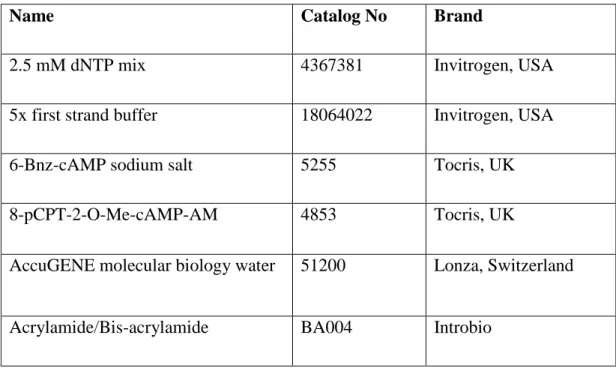
Table 2.1 List of chemicals and reagents ... 22
Table 2.2 List of taqman probes ... 25
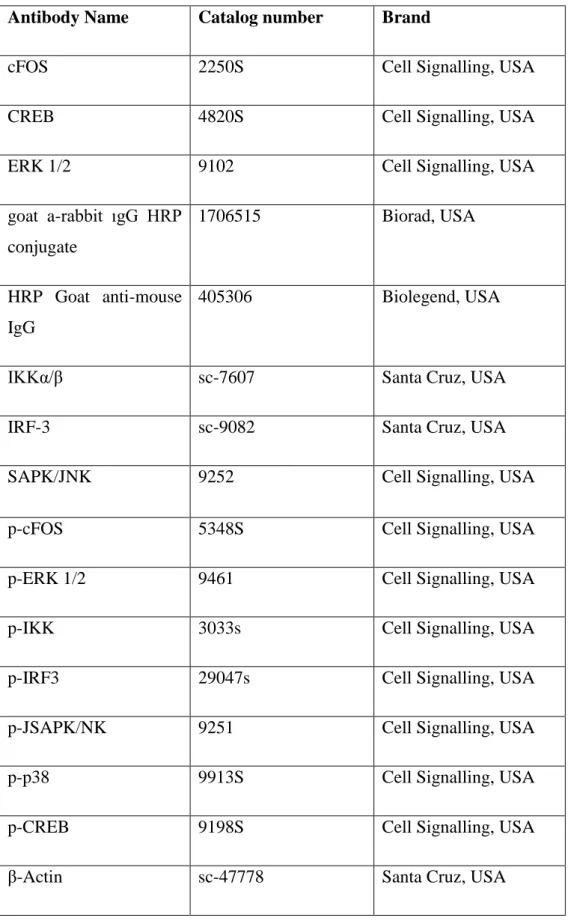
Table 2.3 Western Blot antibodies ... 26
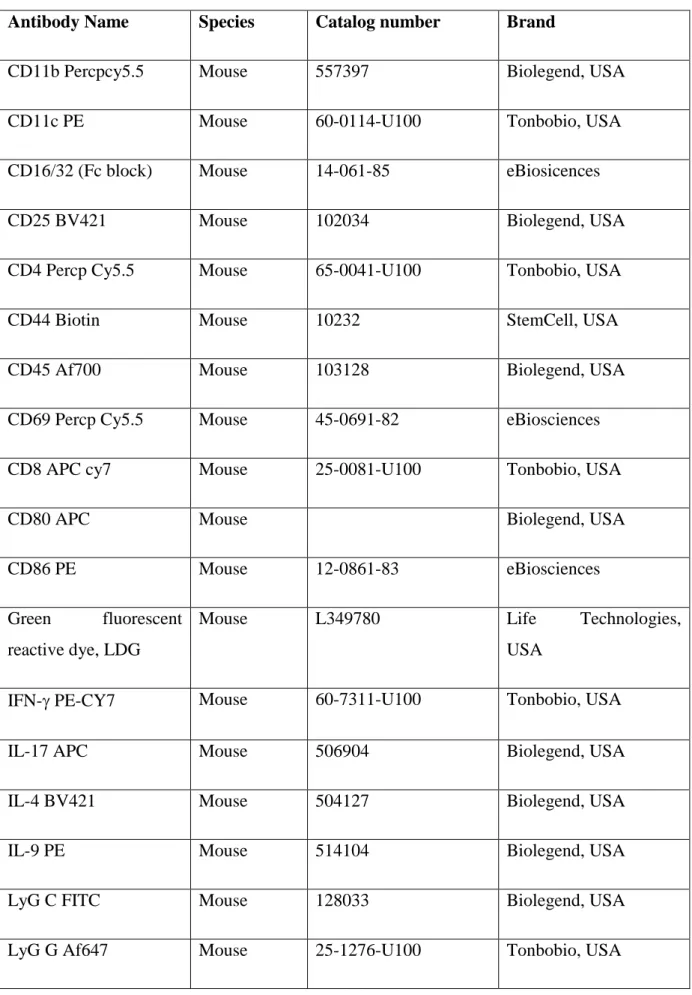
Table 2.4 Flow Cytometry antibodies ... 27
Table 2.5 List of kits ... 28
Table 3.1 cDNA master mix ... 40
Table 3.2 cDNA program ... 40
Table 3.3 PCR reaction mix ... 41
Abbreviations
Ab Antibody
AC Adenylyl cyclase
ACK Ammonium-Chloride-Potassium
ADA Adenosine deaminase
ADP Adenosine diphosphate
AIM2 Absent in melanoma 2
AKAP A-kinase anchoring protein
ALR AIM2 like receptors
AMP Adenosine monophosphate
APC Antigen presenting cell
AR Adenosine receptor
ATF-1 activating transcription factor-1
ATP Adenosine triphosphate
BCR B cell receptor
BM Bone marrow
BSA Bovine serum albumin
cAMP cyclic Adenosine monophosphate CBD cyclic nucleotide binding domain
CCR CC chemokinr receptor
CD Cluster of differentiation
cDC Classical DC
cDNA Complementary deoxyribonucleic acid cFOS Cellular oncogene c-fos
CLR C-type lectin receptor
CNGCs cyclic nucleotide gated ion channels
CRE cAMP-responsive element
CREB cAMP responsive element binding prtotein CREM cAMP response element modulator
CTLA-4 Cytotoxic T lymphocyte antigen 4 DAMPs Damage associated molecular patterns
DC Dendritic cell
ddH2O Double-distilled water
DEP Dishevelled, Egl-10 and Pleckstrin domain
dH2O Distilled water
DLN Draining lymph node
DMSO Dimethyl sulfoxide
DNA Deoxyribonucleic acid
dNTP Deoxynucleotide triphosphate
ECL Enhanced Chemiluminescance
ELISA Enzyme-Linked ImmunoSorbent Assay EPAC Exchange protein directly activated by cAMP ERK Extracellular signal-regulated kinase
EtOH Ethanol
FACS Fluorescence-activated cell sorting
FBS Fetal bovine serum
g gram
GEF guanine nucleotide exchange factor
GM-CSF Granulocyte macrophage colony-stimulating factor GPCR G protein coupled receptor
HBSS Hank's balanced salt solution HRP Horse radish peroxidase
IFN Interferon
IgD Immunoglobulin D
IgE Immunoglobulin E
IgG Immunoglobulin G
IL Interleukine
IRF IFN-regulatory factor
JNK c-jun N-terminal kinase KIR Killer inhibitory receptor
l Liter
M Molar
MAP Mitogen-activated protein
mg Milligram
MHC Major histocompatibility complex
min Minute
ml Milliliter
mM Micromolar
MPL-A Monophosphoryl Lipid A mRNA Messenger ribonucleic acid
MyD88 Myeloid differentiation primary response gene 88 NDLN Non-draining lymph node
NECA 5' -N-Ethylcarboxamidoadenosine NF- κB Nuclear factor- κB
NFDM Non-fat dry milk
ng Nano gram
NK Natural killer
NLR NOD-leucine rich repeat receptors
NOD Nucleotide-binding oligomerization domain
OVA Ovalbumin
PAMP Pathogen associated molecular pattern PBS Phosphate-buffered saline
PCR Polymerase chain reaction
PD-1 Programmed death 1
pDC Plasmacytoid DC
PDE Phospho diesterase
PKA Protein kinase A
PRR Pattern recognition receptor
Q-RT-PCR Quantitative real time polymerase chain reaction
RA Ras-association domain
REM Ras exchange domain
RLR RIG-I like receptor
RNA Ribonucleic acid
RPMI Roswell Park Memorial Institute
RT Room temperature
TBS Tris buffered saline
TCR T-cell receptor
TEMED Tetramethylethylenediamine
Th T helper
TIR Toll/interleukin-1 receptor
TLR Toll-like receptor
TMB Tetramethylbenzidin
TNFa Tumor necrosis factor 𝛼 TRAF TNF receptor-associated factor
Treg T regulatory cell
TRIF TIR-domain-containing adapter-inducing interferon-β
UTP Uracil triphosphate
h hour
Chapter 1
Introduction
1.1 The immune system
From bacteria to human, organisms developed protection mechanisms to pathogenic invaders and other foreign molecules over the course of evolution. Our body continually encounter non-self microbes or molecules by the air we breathe, the food we swallow or the objects we touch [1]. Majority of these molecules are not capable to pass the physical barrier of our body; the skin and mucosal surfaces. If they can, specialized cells and molecules take in charge for a complete protection. All of these physical, chemical and biological barriers create the immune system [2].
One of the most important jobs of immune protection is to distinguish self from non-self to avoid attacks to the host organism. By doing so our immune system can recognize, neutralize and destroy the pathogen and create an immunological memory for faster protection of the living organism during future invasions. The immune system provides these by orchestrating a network of cells and molecules. These cells can kill pathogens and infected cells, produce antibodies, mark pathogens, remember enemies in repeated infections and also activate other cells. To accomplish these sophisticated events, immune system is divided into two main arms; innate and adaptive according to their handling mechanisms of pathogens [3]. Disorganizations in the immune system can cause many biological problems such as autoimmune diseases, inflammatory diseases, immunodeficiency or cancer. To avoid these, innate and adaptive immune system should work in harmony and be sure that homeostasis restored.
1.1.1 Innate Immune system
The innate immune system comprises of all rapid and non-specific responses to a foreign molecule in our body. These responses can be physical by the skin, or chemical by mucous, saliva, gastric acid or other secreted liquids. If the pathogen can overcome these barriers, cell based defense come into play. Various players of the innate immunity include complement proteins, antimicrobial peptides, plasma proteins, circulating or tissue resident phagocytes and cells like macrophages, dendritic cells, NK cells and granulocytes [4]. These players can exert their effects by engulfing the pathogen directly, destroying the essential structures of the microbes that are needed for the survival or infectivity of them, opsonization of the foreigners to be marked for phagocytosis, attracting macrophages and neutrophils to the site of inflammation and trapped the infection in the site of inflammation for adaptive immunity set to work [5]. Innate immune system use these mechanisms to cope with an infection quickly without any help of adaptive immune system most of the time.
The innate immune system not only creates the first line of defense but also triggers the adaptive immune system to provide the complete protection for the organism. Therefore, any failure in innate immune mechanisms is supposed to be lethal.
Innate immune system can identify the structures of the microbes called as pathogen associated molecular patterns (PAMPs) or released particles of damaged or dead cells called damage associated molecular patterns (DAMPs). These patterns are evolutionary conserved among microorganisms which makes them easily to be detected by immune system. Recognition of foreign molecules is regulated by pathogen recognition receptors (PRRs) on the host cells. PRRs are encoded in the germline and they can be membrane bound, cytoplasmic or secreted into bloodstream [6]. There are many different types of PRRs known as Toll like receptors (TLRs), nucleotide oligomerization receptors (NLRs), C-type lectin receptors (CLRs), retinoic acid inducible gene like receptors (RLRs), AIM2 like receptors (ALRs) and cytosolic DNA sensors [6]. Immune activation occurs through the secretion of pro-inflammatory cytokines or chemokines when these types of receptors are activated by a danger molecule.
One of the well-known and first identified PRRs are the family of Toll Like receptors. TLRs can response a wide range of patterns like protein and lipid-based compartments of bacteria, viruses, fungi and parasites. First TLR, known as TLR4, is found for the first time on Drosophila melanogaster. Since then, 10 human and 13 mice TLRs have been identified [7, 8]. Once recognition of a proper ligand, TLRs activate some intracellular signaling pathways such as NF-K B, IRF3 and several MAP kinase pathways. This activation induces the secretion of inflammatory cytokines, chemokines, type I interferons and costimulatory molecules and thus, fire the initiation of innate immunity to further generate the adaptive immune response [9, 10]. An example of immunological synapse illustrated with Figure 1.1.
1.1.2 Adaptive Immune System
Adaptive immune system steps in when the innate immune system is insufficient to clear out the pathogens effectively in the body. While innate immune system is fighting with the pathogenic reproduction, it also awakes the adaptive immune response by antigen procession and presentation. Thus, adaptive immune system known as the second layer of protection and highly specific to foreign antigens unlike the innate immunity which attacks only to general threats. Adaptive immune response is slower that takes several days or even weeks, yet more efficient because it can create an immunological memory by learning about the threat and undergoes a change in its specialized cell types by somatic gene rearrangements.
There are two types of adaptive immune response with its important types of cells; B and T lymphocytes. B lymphocytes create the humoral immunity. When naïve B cells come across to an antigen or Th cells, they differentiate into plasma cells which are capable of producing and secreting antibodies. Those antibodies can recognize circulating pathogens and either activates complement system to phagocyte the pathogen, or neutralize them by blocking pathogen binding sites to the host cells [12].
T progenitor cells are produced in bone marrow and migrate into thymus to mature. While in thymus they developed T cell receptors (TCRs). Unlike B cell receptors (BCRs) that can detect any kind of antigen, T cells can recognize only processed protein structures via their TCRs. This recognition is possible only by peptide - MHC complex and other co-stimulatory molecules on the surface of APCs. If a T cell recognizes a self antigen, it is destroyed before matured to avoid any attack to the host.
According to their CD4 or CD8 co-receptor expression, their roles determined as cytotoxic, helper or regulatory T cells. Upon activation, naïve CD8+ T cells are differentiated into cytotoxic or memory T cells, while naïve CD4+ T cells can differentiate into Th1, Th2, Th9, Th17 or Treg. These T cell subsets are characterized by their cytokine secretion and receptor expression profiles. As a result of this differentiation, they can kill the target cells, activate and improve the function of other immune cells and through Tregs suppress immune response to prevent autoimmunity [3, 13].
1.1.3 APCs as key players mediating innate and adaptive immune
responses
The correct and effective translation of the innate signals is the key factor for any communication between innate and adaptive immune system. Antigen presenting cells make this conversation by recognizing the pathogens, processing their peptides and present them to the other cells. Beside presenting antigens in the peptide form, APCs have the capacity to present self or foreign lipids to CD-1 specific T cells or NK cells [14]. There are several factors affect antigen presentation and procession; (1) physical form of the antigen, (2) the delivery method, (3) the property of the APC [15].
Even though, any nucleated cell that express MHC can present antigens, only some can initiate B and T cell functions. Macrophages, dendritic cells and B cells can effectively prime adaptive immunity and known as professional antigen presenting cells (pAPC). Antigen presentation has two major signaling pathways; MHC-I and MHC-II to present epitopes to the TCRs of CD8+ T lymphocytes or CD4+ T lymphocytes, respectively. Although macrophages and B cells play very important roles as pAPCs, only dendritic cells can activate those naïve to an antigen. Thus, they stay in the center of immunology by bridging innate and adaptive immunity [16].
Figure 1.2: Different types of dendritic cell maturation stimulates different types of T cells [17].
Dendritic cells are bone marrow derived cells that can be found in many tissues in our body. Before they encounter a foreign antigen, they remained in immature or steady state in the peripheral tissues such as skin or mucosa. In the immature state they present only self antigens. Because they express very low levels of MHC and co-stimulatory receptors
in the immature state, they can not facilitate T or B cell activation. Instead, they lead to immune tolerance either by T cell deletion, anergy or differentiation of T cells into Tregs [18]. Once they come up with a non-self antigen, they migrate from peripheral tissues into the lymph nodes where they stimulate T and B cells. Figure 1.2 is shown as an example of different dendritic cell-T cell interaction. The factors drive dendritic cell migration includes; the type of the foreign antigen, the molecules that expressed by DCs and surrounding immune cell responses to the microbes. During migration, antigen loaded DCs get matured by upregulating their MHC molecules, co-stimulatory molecules, cytokine secretion ability as well as downregulating antigen capture activity [15].
Even though adaptive immune response is cellular or humoral, the large scale of the immune response is shaped by variety of dendritic cells that are activated and differentiated. Dendritic cells are divided into several subsets upon their phenotypic and functional criteria but commonly known 2 major subsets are myeloid DCs (also known as classical or conventional DCs) and plasmacytoid DCs (pDCs) [19]. Different types of dendritic cells have different cytokine expression profiles upon binding to corresponding antigen through their PRRs. Thus, DCs have the functional flexibility to respond inflammatory changes in their environment. Several number of CLRs, TLRs or intracellular helicases expressed by DCs can control the antigen uptake and selection of the antigen that have the potential to be presented. Because they regulate the control of DC maturation and their cytokine production as well, DC specific TLR signaling is of interest to immunologists while studying antigen procession [20].
Once activated by a proper signal, APCs use two main pathways for antigen processing; MHC-I pathway for endogenous, cytosolic antigens and MHC-II pathway for exogenous antigens. Beside other APCs, dendritic cells primarily cross-present exogenous antigens by using MHC-I pathway to CD8 T cells called as cross-presentation [21]. This mechanism gives DCs the ability to present antigens without infected by the pathogen. Dendritic cells can also efficiently phagocyte small membrane pieces of living cells, a process known as nibbling [22].
After activated and maturated, dendritic cells modulate T cell activation by 4 main signals. First signal is the detection of the presented antigen by MHC molecules on DC surface by
T cell receptors (TCRs). This signal is antigen specific as mentioned. Second signal consists of interaction between costimulatory molecules of B7 proteins CD80, CD86 on DC surface and CD28 or CTLA-4 on T cells [23]. In the absence of second signal T cells can not be activated. Thus, second signal provides whether T cells will respond to activated and maturated DCs or not. Third signal provides the functional polarization of T cells into certain T cell subsets. Varied number of PAMPs and danger signals induce different types of cytokine secretion from DCs and thereby affect T cell differentiation. Upon fourth signal, T cells are stimulated for their migration into the location where DCs first encounter with the pathogen and orchestrate the immune response through their secretion of cytokines such as IL-17, IFN-, IL-4, IL-10 and others [24]. Thereby, DCs play essential roles in T cell priming, T cell homeostasis, tolerance induction and interaction with other immune cells.
1.2 Purinergic Signaling
Nucleotides and nucleosides such as ATP and adenosine are considered to be intracellular molecules found in all cells in the past. Burnstock and his colleagues discovered that ATP or a related nucleotide not only work inside the cells but also play important roles in the extracellular space [25]. Since then, extracellular accumulation of purine nucleotides and nucleosides are known to create the purinergic signaling.
ATP can be found almost at millimolar concentrations inside the resting cells of a healthy tissue, whereas it is around nanomolar concentrations in the extracellular space [26]. The concentration of adenosine in the extracellular fluid depends on: (i) the balance between its release from cells, (ii) its generation by ectonucleotidases on the cell surface, and (iii) its re-uptake by adenosine transport processes that is illustrated in Figure 1.3 [27].
Figure 1.3: An example of adenosine receptor signaling [28].
There are some mechanisms trigger nucleotide release. One of the well known mechanism is cell damage and death. Apoptotic or necrotic cells release ATP and other nucleotides and create danger signals for nearby cells [29-31]. Other mechanisms contain different types of stress factors; hypoxia, pathogen invasion, mechanical stimulation and osmotic swelling [32, 33].
Once nucleotides accumulate in the extracellular fluids, various types of ectonucleotidases rapidly convert them into their degraded products. Ecto-ATPases catabolyze ATP to ADP, ecto-apyrases degrade ATP and ADP to AMP and ecto 5’-nucleotidases degrade AMP to
adenosine. CD39 has been discovered to be the major ecto-apyrase while CD73 is known to be an ecto 5’-nucloetidase [34].
Purinergic signaling have 2 main receptor types; P1 and P2 receptors. P1 receptors are the receptors for adenosine. On the other hand, ATP receptors are referred to as P2 receptors and can be subdivided into 2 groups; P2X for ionotropic ATP gated channels and P2Y for G protein coupled metabotropic receptors [35].
1.2.1 Adenosine receptors
Once produced, extracellular adenosine exerts its effects by four transmembrane G protein coupled receptors; A1, A2A, A2B and A3 [36-38]. These receptors, also known as P1 receptors, have varied affinities for adenosine. While A1, A2A and A3 receptors display high affinity for low amounts of adenosine, A2B receptors exhibit low affinity for higher doses of the nucleotide [39]. Throughout evolution, A1, A2A and A2B receptors are 80-95% homologous and conserved, whereas A3 receptor is variable between species [40].
Depending on cell type, activation status, stage of cell differentiation and inflammatory mediators present, each receptor expression levels can be changed [41]. A1 and A3 receptors are coupled with Gi, Gq and Go proteins and function by promoting cell
activation. By contrast, A2A and A2B receptors are coupled to Gs proteins and exhibit their
effects by suppressing cellular responses via activation of adenylyl cyclase causing the production of cAMP [42].
1.2.2 Adenosine signaling of immune cells
Immune cells need danger signals to be activated to perform their duties in immune surveillance. Adenosine has all the pre-requisites for being defined as a danger signal for immune system; (i) it can be quickly and easily generated upon any cell damage or death, (ii) its concentration is very low in the extracellular space under resting conditions, so any excessiveness can be realized immediately, (iii) it is a small molecule to be diffused easily, (iv) it has specific receptors to be recognized by immune cells, and (v) it is easy to be destroyed because every plasma cell has ectonucleotidases [43]. All of these properties
make adenosine an important and interesting small molecule to be studied on immune cells.
Distinct subsets of immune cells are affected by extracellular adenosine in different ways. This can be either stimulatory or inhibitory, depending on the amount and time of the adenosine release. The type of the adenosine receptor that participate in the signaling also affects the immune cell activation. For example, adenosine receptor activity in neutrophils is regulating the production of reactive oxygen species and phagocytosis. Adenosine has an inhibitory effect generated mainly by A2A and A2B receptors, while A1 and A3 receptors promote directed migration (chemotaxis) of neutrophils [44]. Similarly, mast cell degranulation is stimulated through A3 receptors but inhibited by A2A and A2B receptors [45]. Adenosine have powerful inhibitory effects on T cell proliferation. One study showed that adenosine signaling suppressing the IL-2 production and thereby restrict T cell responses to costimulatory signals and T cell proliferation. In addition to that, adenosine signaling leads to expansion of Treg cells. Treg cells through expansion of extracellular ectonucleotidases CD39 and CD73 cause production of more adenosine and inhibit the activity of dendritic cells [46]. A2AR deletion of C57BL/6 mice strongly effects naïve T cell survival and development showed the importance of adenosine regulation in T cell homeostasis [47, 48]. These and other studies indicate that adenosine receptor expressions are changed depending on the activation status of immune cells and effect their functional properties.
1.2.3 Adenosine regulation of APCs
APCs have central roles in modulating immunological processes by their antigen presentation capability and clearance of foreign cells. Thus, adenosine’s effect on APC function (especially macrophages and dendritic cells) and their adenosine receptor activity have attracted considerable attention in the past years. Recent studies indicate that PRRs interfere with the intracellular pathways that are activated by adenosine signaling. For example, Figure 1.4 representing the altered amounts of cAMP levels through adenosine signaling of APCs. Extracellular adenosine inhibits LPS induced release of TNF-𝛼, IL-12, MIP-1𝛼 and nitric oxide (NO) independent of NF-κB, whereas augments production of anti-inflammatory IL-10 levels of macrophages [49-51]. Several number of studies indicate
that adenosine have A2A and A2B dominant effects on macrophage function. As the phagocytosis of apoptotic cells by macrophages are drived by upregulation of A2A receptors and downregulation of A3 receptors, adenosine gradually shows its suppressive effects on inflammation while apoptotic cells are engulfed by macrophages [52]. Adenosine and its receptors also triggers the release of VEGF through TLR-4, TLR-2, TLR-7 and TLR9 agonists [53]. In addition to that, adenosine signaling play preventive roles on monocyte differentiation into macrophages through A2 receptors by blocking monocyte development at a stage to create dendritic cell like monocytes [54, 55]. Finally, it has been shown that A2A and A2B receptors increase the process of M2 polarization of macrophages and additionally, M1 macrophages have lower expression of ectonucleotidases compared to M2 macrophages [56].
Dendritic cells link innate immunity to adaptive immunity by acting as professional antigen presenting cells and stimulating T cell mediated immune response as mentioned before. For this reason, it is crucial to understand how proliferation, differentiation and activation status of dendritic cells are affected by adenosine signaling.
Figure 1.4: Adenosine regulate APC functions through altering intracellular cAMP level [57].
Several data from human and mice studies show the strong modulatory effects of adenosine receptors on dendritic cell functions. The regulation by adenosine receptors depends on whether adenosine is found in chronically low or acutely high concentrations surrounding dendritic cells. [43].
Dendritic cells contain all four types of adenosine receptors but they change expression levels of those upon variety of extracellular signals (pathogens, inflammatory cytokines, neurotransmitters), their maturation status and progenitors where they differentiate from [58]. Gi coupled adenosine receptors (A1, A3 or both) are mostly expressed in both
immature myeloid and plasmacytoid dendritic cells. Immature dendritic cells also express A2Areceptors at low levels but they are not able to induce accumulation of intracellular cAMP. During their maturation process A1R and A3R expression levels downregulated while A2AR and A2BR upregulated. As a result of A1 receptor activity, immature plasmacytoid dendritic cells are triggered to migrate into the site of inflammation [59, 60]. In the absence of TLR activation, adenosine triggers chemotaxis, mobilization of intracellular calcium and actin cytoskeleton reorganization. [59] Furthermore, adenosine cause an increase in the LPS induced CD80, CD86, CD54, MHC-I and HLA-DR molecules on immature dendritic cells, as well as decreases the ability to stimulate naïve T cells. Adenosine also manipulates the profound secretion of IL-10 while increasing the micropinocytosis ability of immature dendritic cells [58].
When DCs are LPS matured, adenosine inhibits TNF- and IL-12 secretion but enhanced IL-10 secretion by binding A2ARs. Therefore, helps prevent the tissue injury that occur because of overwhelming immune response mediated by innate immune system [44]. In addition, adenosine increases the secretion of CCL17 and decreases CXCL10 secretion of mature dendritic cells. By this way, adenosine inhibit DCs to induce the chemotaxis of Th1 cells [44]. Another study supports that blockade of A2BR on dendritic cells enhance DC activation and stimulates lymphocyte activation via secreted CXCR3 and CXCL10 to promote anti-tumoral responses [61]. Adenosine can also affect dendritic cells while they differentiate via stimulating production of proinflammatory, angiogenic and tolerogenic effectors. However, they exhibit completely different cell surface markers and showed distinct types of dendritic cell populations [62].
These types of studies indicate that, proliferation, maturation, differentiation status, phagocytosis, cytokine and chemokine production of APCs are highly regulated by adenosine through activation of adenosine receptors.
1.3 cAMP
Extracellular signals that are large and hydrophobic need cell surface receptors to cross the membrane. These signals can be hormones, neurotransmitters, lipid mediators or pharmacological agents called as ‘first signal’ [63, 64]. Binding of these ligands to their corresponding receptors of the cell membrane is not enough for external signals to be transmitted inside the cell. Second messengers such as phospholipids, Ca+2 and cyclic nucleotides are responsible for converting and amplifying these signals and create signal transduction processes as an intermediate molecule inside of the cells.
Cyclic adenosine monophosphate (cAMP) is the first identified and well characterized second messenger as a cyclic nucleotide [65]. Because cAMP signaling pathway involved in many cellular events by affecting transcription and translation of genes, conformational changes and localization of other proteins, its amount in the cytosol is regulated by special enzymes adenylyl cyclase (produce cAMP), phosphodiesterase (degrade cAMP) and at a subcellular level to better coordinate cellular response [66].
Once the ligands are bound G protein coupled receptors (GPCRs), conformational changes occur and GTP binding proteins (heterotrimeric G protein complex) get activated. This activation results in exchange of GDP for GTP and then separation of G subunit from G protein dimers via protein domain dynamics as illustrated in Figure 1.5. As a result, those separated subunits further activate other proteins by phosphorylation events and provide continuance of the signal transduction. For cAMP production, adenylyl cyclase (AC) should be activated by free G subunit. Activated AC then generate cAMP and pyrophosphate by cyclization of ATP. In contrast to AC, phosphodiesterases (PDEs) work by decomposition of cAMP into AMP by hydrolisation. There are 10 differentially expressed AC isoforms and 11 PDE gene families known to be expressed in different cell types and tissues in mammalian cells [67, 68].
Figure 1.5: Summary of cAMP signaling pathway [69].
After its generation by AC, cAMP function mainly through cAMP-dependent protein kinase A (PKA). Other PKA-independent targets of cAMP are the two isoforms of exchange protein activated by cAMP (EPAC) and cyclic nucleotide gated ion channels (CNGCs) [69].
The PKA is a holoenzyme that is first discovered and best studied among other direct cAMP targets. It has a tetrameric structure composed of two catalytic subunits (C) and two regulatory subunits (R) bound each other non-covalently (R2C2 complex). When the cytosolic cAMP level increased, 4 cAMP molecules bind regulatory subunits of PKA (2 cAMP molecule for each R subunit). This will cause regulatory subunit to dissociate from the complex. Consequently, catalytic subunits will be free to phosphorylate other proteins on their serine or threonine residues both in the cytoplasmic and the nuclear compartments, as well as the regulatory subunit itself [70]. The R subunit on the other hand, bind to catalytic subunit and prevent its activation in the absence of cAMP [71]. In addition to that,
regulatory subunit associate with A-kinase anchoring proteins (AKAPs) for localization of PKA in particular cellular organelles and to the plasma membrane [72].
Because PKA is the main controller for majority of the cAMP signaling pathway, it regulates a vast number of cellular processes including proliferation, differentiation, growth, metabolism, gene regulation or apoptosis. Specificity of these responses depend on the participation of R and C isoforms that are expressed and activated on a given cell. The regulatory subunit of PKA consists of two isoforms RI and RII and they further divided into four: RI, RI, RII and RII at the genetic level and show different functions [73, 74]. By contrast, the catalytic subunits are divided into 3; C, C and C with identical kinetics and functions [75]. These and additional isotypes arise from splice variants display different functional and biochemical properties and implies specificity of PKA functions.
Transcriptional regulation of cAMP on the nucleus is mediated through activation of cAMP response element binding protein (CREB), cAMP response element modulator (CREM) and activating transcription factor-1 (ATF-1) [76]. Each of these targets of PKA has a conserved kinase binding domain which PKA can specifically bind and activate when it is translocated in the nucleus. Once phosphorylated by PKA, these transcription factors bind and regulate the DNA sequence called cAMP-responsive element (CRE). The genes contain CRE consensus sequences in their promoters respond to cAMP signaling as a result of these series of reversible phosphorylation events. In summary, the catalysis of PKA can be direct; by protein phosphorylation to increase or decrease the protein activity, or indirect; by first activating CREB and other transcription factors for further regulating other genes and synthesis of other proteins.
Exchange protein activated by cAMP (Epac) is a cAMP dependent protein which has guanine nucleotide exchange factor (GEF) activity. When cAMP binds, Epac catalyzes the exchange of GDP for GTP by GEF activity and further activates Ras superfamily small GTPase homologous Rap1 and Rap2 [77]. Therefore, many cellular processes, that Ras family proteins are included, also affected by cAMP activation of Epac.
Two different isoforms of Epac protein have been described in mammalians: Epac1 and Epac2. They have broad tissue distribution, described in a variety of cell types with different physiological functions, but have similar domain structures and working
principles. Both isoforms include N-terminal regulatory and C-terminal catalytic regions. N terminal region consist of a DEP domain and one (Epac1) or two (Epac2) cyclic nucleotide binding domains (CBD). While DEP domain is responsible for anchoring to the membrane, CBD domain, which is a homologous to R subunit of PKA, binds to the cAMP [78]. On the other hand, catalytic region contains GEF domain called CDC25-homology domain (CDC25-HD), a regulatory domain named Ras exchange domain (REM) and an additional Ras-association domain (RA) for again anchoring to the plasma membrane. When cAMP is low, regulatory domain work as auto-inhibitor by preventing Rap association to the CDC25-HD domain [79, 80]. Upon cAMP activation, CBD domain unfolds the Epac and let catalytic region to bind Rap GTPase [81].
All signaling events that have been previously attributed to PKA signalling, may actually involve Epac since their binding affinities to cAMP have been found to be very similar [77]. Thus, without any kinase activity but being a direct target of cAMP, Epac acts either alone or with PKA and creates an important alternative cAMP messenger system.
1.3.1 PKA vs. EPAC mediated effects of cAMP on immune cells
Since its discovery, cAMP has been shown to regulate diverse cellular functions, such as proliferation, growth, adhesion, migration, growth arrest, gene transcription and apoptosis in mammalian cells through its targets PKA, EPAC and Ca+2 [82]. Studies about the role of cAMP signaling pathways on immune cells revealed cAMP as an important immunomodulatory illustrated in Figure 1.6. Even though elevation of cAMP is known to be immunosuppressive, recent reports demonstrate cAMP as a positive player in immune activation [83, 84]. The cell type involved, the amount of cAMP, localization of cAMP and cAMP effectors involved determine the regulation of immune system by cAMP [85].
The regulators of cAMP signaling A-kinase anchoring proteins (AKAPs), Phosphodiesterases (PDEs), and Adenylyl Cylase (ACs) change the amount and localization of intracellular cAMP and affect the immune cell responses by targeting PKA and EPAC [85]. Adenylyl cylases, which hydrolize ATP to cAMP, have nine membrane bound and one soluble isoforms found in mammalian cells [86]. Out of several number of
studies, AC7 isozyme is found to be greatly expressed in macrophages and dendritic cells as well as T lymphocytes and play important roles in immune regulation for example participating in DC-T cell interaction via activating the PKA pathway [87, 88]. In addition to that activators of AC such as PGE2 were found to induce production of IL-23 in DCs, which leads stimulation of Th17 cells [89, 90].
Figure 1.6: Antimicrobial functions differentially regulated by particular cAMP effectors [91].
Phosphodiesterases (PDEs) are the enzymes convert cAMP into AMP and have 11 family of proteins differentially expressed among immune cells. Some pharmacological agents inhibit PDE activity and thereby increase cAMP levels is of interest a lot because of anti-inflammatory effects of cAMP [29]. Out of other isotypes, PDE4 is the predominant
enzyme that metabolite cAMP in order to regulate immune response. Both exogenous cAMP analogs and agents increase the intracellular cAMP levels have anti-inflammatory effects upon secretion of pro-inflammatory cytokine and growth arrest of stimulated lymphocytes. Because of their tissue specific distribution, drugs developed to specifically inhibit PDE4 in APCs in order to decrease the production of pro-inflammatory cytokines to reduce allergic response. PDE4 inhibition also increases the production of IL-10 in DCs through PKA pathway which will further inhibit stimulated T cell proliferation and their cytokine production again for asthma like diseases [92].
Interactions of R subunit of PKA with AKAP proteins target them to specific subcellular localization. Because AKAPs have almost 50 members, their interaction gives specificity to PKA-derived actions [93, 94]. Through PKA activation by elevated cAMP levels, antigen presentation and DC maturation are increased. AKAPs are expressed differentially during the maturation process of DC and they are necessary for PKA binding to lipid rafts of dendritic cells to regulate antigen presentation, CD4 T cell activation, TNF- and IL-10 production, expression of costimulatory molecules and chemokine receptor CCR7 [95].
These regulators of cAMP generally studied as PKA-dependent pathways. It is now widely accepted that EPAC have many important contributions on cAMP directed immune cell responses. Epac1 is the major isoform expressed in immune cells and it has either suppressive or stimulatory functions [96]. Although principal effects of cAMP are mediated by PKA signaling in T cells, recent studies provide evidence that Epac is very important for T cell activation and proliferation [97]. The first study of Epac1 function in macrophages revealed that Epac1 inhibits Fc receptor phagocytosis in alveolar macrophages while PKA specific cAMP analog has no effect on this process [98]. On the other hand, Epac1-Rap1 mediated signaling pathway leads to an increase in proliferation of macrophages in coordination with PKA pathway. This cooperation is also true for attenuated phagocytosis of microglia and peritoneal macrophages. Other studies showed that while LPS induced TNF- production is suppressed by a PKA dependent manner, phagocytosis is inhibited by Epac1 dependent pathway in macrophages [99, 100]. For the case of dendritic cells, Epac1-Rap1 signaling pathway is still under investigation. However, some studies showed that Epac regulate chemokine release and cell motility of DCs, which is very important because constant circulation and motion of immune cells are
critical for the immune system [101]. The dendritic cell migration enhanced by Tregs, which promote cAMP production upon sensing extracellular adenosine produced by these cells [102]. Beyond its suppressive effects on cytokine release in DCs, the immune synapses between APC-T cells also abrogated by Epac1 signaling [103]. As a result of these studies, APC functions including; integrin-dependent cell adhesion, chemotaxis, polarization, and phagocytosis are regulated by Epac pathway [104].
Although initial studies indicate PKA as the main regulator of cAMP directed immune responses, Epac1 and Epac2 have been found to act as novel cAMP mediators that use mechanisms independent of PKA in both innate and adaptive immune system [105]. Thus, both mediators (either alone/or together) have crucial functions in distinct immune responses. Depending on the strength and duration of the signaling, and also their relative abundance, distribution and localization, PKA and EPAC may have redundant, independent or even opposing effects in regulating a specific cellular function [106].
1.4 Aim of the study
As an extracellular purine nucleoside adenosine have immunosuppressive effects on antigen presenting cells. In macrophages, several number of studies indicate that adenosine suppresses LPS induced proinflammatory cytokine secretion and increases IL-10 production. Changes in surface molecule expression of macrophages also reported by the effects of adenosine signaling. Adenosine has immunosuppressive effects on APCs through the elevation of cAMP levels as mentioned earlier. One of the intracellular receptors of cAMP, PKA, contributes to this process. Even though the effects of adenosine signaling have been studied on macrophages, the downstream modulators of the pathway haven’t been shown yet. In addition to that, the detailed mechanism of adenosine stimulation on dendritic cells remained a mystery when we compare our knowledge of DC studies with macrophage studies.
As we have lack of information about the downstream modulators of adenosine mediated cAMP signaling pathway, we aim to investigate the details of cAMP signaling pathway when adenosine shape the dendritic cell functions. Our major aim was to understand which intracellular cAMP receptor is responsible for adenosine and/or cAMP-mediated polarization of DCs into an anti-inflammatory phenotype. To address this question after validating previous studies indicating the anti-inflammatory effects of adenosine signaling and cAMP, we employed PKA and EPAC specific cAMP analogs and tested DC responses in inflammatory conditions. Along with pro- and anti-inflammatory cytokine expression, and cell surface activation molecules we have also tested DC conditioned medium for its effects on T cell activation. We have also used cFOS expression and NR4A expression as known anti-inflammatory mediators of adenosine/cAMP signaling as our readouts to test the respective contributions of PKA and EPAC pathways [107, 108]. Results of this study has important implications for the regulation of immune system by targeting adenosine receptors or cAMP pathway.
2
Chapter 2
Materials
2.1 General Laboratory & Cell Culture Reagents and Materials
Filter tips, cell culture flasks, cell culture plates were purchased from Greiner Bio One, Austria. Cell scrapers, serological pipettes, cell strainers, culture dishes and Falcon round bottom polystyrene tubes were purchased from Corning Life Sciences Inc., USA. Mr. Frosty container and Nunc 96 well polypropylene plates for ELISA were purchased from Thermo Scientific, USA. Pipettes, electronic pipettes and multichannel pipettes were purchased from Gilson, USA and Rainin United Kingdom. X-Ray films were purchased from Kodak, Rochester, NY, USA. q-PCR plates were purchased from Roche Applied Science, Mannheim, Germany. V-shaped reagent vessels were supplied from Biohit, Finland. Levoplus motorized pipette was purchased from Scilogex, USA. 1.1 mL singles polypropylene tubes were purchased from VWR, Radnor, PA, USA. 1⁄2 Area 96 well white plates for cAMP assay were purchased from Perkin Elmer Waltham, Massachusetts, USA. Working racks were purchased from StarLab, UK. PVDF membrane roll was purchased from Biorad, USA. All plastic and metallic materials used in cell culture such as scissors, forceps, erlenmayer flasks, graduated cylinders, 2 mL cryovials, glass bottles, tube racks, magnetic stirring rods were purchased from Isolab, Wertheim, Germany.
2.1.1 Machines and Equipments
Cell culture hoods, incubators and waterbath were supplied from Nüve, Ankara, Turkey. Axiovision 4.3 microscopy was purchased from Carl Zeiss, Munich, Germany. -20 Fridge was purchased from Arçelik, İstanbul, Turkey. -80 freezer was purchased from Hettich, Geldermansen, Holland. Nanodrop and PCR machine was purchased from Thermo Fisher Scientific, Waltham, MA, USA. All western blot equipments and power supplies were purchased from Biorad, Hercules, CA, USA. X-ray cassette and X-ray hyper processor were purchased from Amersham Pharmacia Biotech, Amersham, UK. LightCycler for q-PCR was purchased from Roche Applied Science, Mannheim, Germany. CytoFLEX Flow Cytometer was purchased from Beckman Coulter, USA. ELISA reader was supplied by Biotek, USA. Vortex, shakers, mini centrifuge, rotators, plate mixer, timers were purchased from Isolab, Wertheim, Germany. List of chemicals and reagents, taqman probes, western blot antibodies, flow antibodies and kits used in the experiments can be found in Table 2.1-2.5 respectively.
2.1.2 Chemicals and Reagents
Table 2.1: List of chemicals and reagents
Name Catalog No Brand
2.5 mM dNTP mix 4367381 Invitrogen, USA
5x first strand buffer 18064022 Invitrogen, USA
6-Bnz-cAMP sodium salt 5255 Tocris, UK
8-pCPT-2-O-Me-cAMP-AM 4853 Tocris, UK
AccuGENE molecular biology water 51200 Lonza, Switzerland
ADA (Adenosine Deaminase) 10102105001 Roche, USA
BSA SC-2323 Chem Cruz
cAMPS-Sp, triethylammonium salt 1333 Tocris, UK
cDNA Supermix P/N84034 Quantabio, USA
Clarity western ECL substrate 1705060 Biorad, USA
ESI 09 4773 Tocris, UK
FBS S181G-100 Biowest, France
Goat IGG fraction to hamster IGG 55397 MPbio, USA
HBSS BE10-547F Lonza, Switzerland
HEPES H0887-100ML Sigma, USA
Incuwater-clean A5219 Applichem, USA
Ionomycin I3909 Sigma, USA
KT 5720 1288 Tocris, UK
Monensin Solution (1,000X) 420701 Biolegend, USA
NECA 35920-39-9 Tocris, UK
Normal rat serum 13551 StemCell, Canada
PageRuler™ Plus Prestained Protein Ladder, 10 to 250 kDa
26620 Thermo Scientific, USA
Penicillin/Streptomycin 17-745E Lonza, Switzerland
Perchloric acid 311421 Sigma, USA
Pierce™ 16% Formaldehyde (w/v), Methanol-free
28908 Life Technologies, USA
Potassium carbonate P5833-500G Sigma, USA
Protease inhibitor cocktail tablet 04 693 124 001 Roche, USA
Random primer (10X) 4319979 Invitrogen, USA
Recombinant mouse GM-CSF 576306 Biolegend, USA
Reverse transcriptase 4308228 Invitrogen, USA
RNaseZap R2020-250ML Sigma, USA
Rolipram 0905 Tocris, UK
RPMI-1640 21875-034 Gibco, USA
Sodium azide 71289-5G Sigma, USA
Sodium pyruvate S8636 Invitrogen, USA
StemPro® Accutase® Cell Dissociation Reagent
SCR005 Millipore, USA
SUPERase• In™ RNase Inhibitor AM2696 Life Technologies, USA
SYBR green fastmix P/N84067 Quantabio, USA
Tagman Universal Master Mix 4440040 Thermo Scientific, USA
TEMED 161-0801 Biorad, USA
TMB substrate set 421101 Biolegend, USA
Trypan blue 03-102-1B Biological industries, USA
Table 2.2: List of taqman probes
Name Product Species Brand
B-actin Mm00607939_s1 (beta actin probe/primer)
Mouse Life Technologies, USA
cFOS Mm00487425_m1 (c-Fos taqman probe/ primer)
Mouse Life Technologies, USA
IFN-B Mm00439552_s1 (interferon beta 1, fibroblast)
Mouse Life Technologies, USA
IL-10 Mm00439614_m1 (IL-10) Mouse Life Technologies, USA
IL-12 Mm00434174_m1 (IL-12 p40 taqman probe)
Mouse Life Technologies, USA
NR4A1 Mm01300401_m1 (NR4A1) Mouse Life Technologies, USA
NR4A2 Mm00443060_m1 (NR4A2 taqman probe/ primer)
Mouse Life Technologies, USA
NR4A3 Mm00450074_m1 (NR4A3) Mouse Life Technologies, USA
Ptsg2 Mm00478374_m1 (Ptgs2) Mouse Life Technologies, USA
TNF- Mm00443258_m1 (TNF- taqman probe)
Mouse Life Technologies, USA Ultrapure LPS from Salmonella
minnesota R595
Table 2.3: Western Blot antibodies
Antibody Name Catalog number Brand
cFOS 2250S Cell Signalling, USA
CREB 4820S Cell Signalling, USA
ERK 1/2 9102 Cell Signalling, USA
goat a-rabbit ıgG HRP conjugate 1706515 Biorad, USA HRP Goat anti-mouse IgG 405306 Biolegend, USA
IKKα/β sc-7607 Santa Cruz, USA
IRF-3 sc-9082 Santa Cruz, USA
SAPK/JNK 9252 Cell Signalling, USA
p-cFOS 5348S Cell Signalling, USA
p-ERK 1/2 9461 Cell Signalling, USA
p-IKK 3033s Cell Signalling, USA
p-IRF3 29047s Cell Signalling, USA
p-JSAPK/NK 9251 Cell Signalling, USA
p-p38 9913S Cell Signalling, USA
p-CREB 9198S Cell Signalling, USA
Table 2.4: Flow Cytometry antibodies
Antibody Name Species Catalog number Brand
CD11b Percpcy5.5 Mouse 557397 Biolegend, USA
CD11c PE Mouse 60-0114-U100 Tonbobio, USA
CD16/32 (Fc block) Mouse 14-061-85 eBiosicences
CD25 BV421 Mouse 102034 Biolegend, USA
CD4 Percp Cy5.5 Mouse 65-0041-U100 Tonbobio, USA
CD44 Biotin Mouse 10232 StemCell, USA
CD45 Af700 Mouse 103128 Biolegend, USA
CD69 Percp Cy5.5 Mouse 45-0691-82 eBiosciences
CD8 APC cy7 Mouse 25-0081-U100 Tonbobio, USA
CD80 APC Mouse Biolegend, USA
CD86 PE Mouse 12-0861-83 eBiosciences
Green fluorescent reactive dye, LDG
Mouse L349780 Life Technologies,
USA
IFN- PE-CY7 Mouse 60-7311-U100 Tonbobio, USA
IL-17 APC Mouse 506904 Biolegend, USA
IL-4 BV421 Mouse 504127 Biolegend, USA
IL-9 PE Mouse 514104 Biolegend, USA
LyG C FITC Mouse 128033 Biolegend, USA
MHC-I Af647 Mouse 116512 Biolegend, USA
MHC-II PE Cy5 Mouse 11-5321-81 eBiosicences
Streptavidin PE Mouse S866 Invitrogen, USA
Streptavidin PE Mouse S866 Invitrogen, USA
Table 2.5: List of kits
Name Brand
EasySep Mouse CD4+ T cell enrichment kit StemCell, Canada
High-Capacity cDNA Reverse Transcription Kit
Life Technologies, USA
LANCE® Ultra cAMP kit Perkin Elmer, USA
Mouse IL-10 ELISA MAX™ Standard Biolegend, USA
Mouse IL-10 pre-coated plates Biolegend, USA
Mouse IL-12 (p40) ELISA MAX™ Standard
Biolegend, USA
Mouse TNF-α ELISA MAX™ Standard Biolegend, USA
2.2
Solutions, Buffers and Culture Media
2.2.1 Cell Culture Media
RPMI-1640 Medium (10%)
10% filtered FBS
1% Penicillin/Streptomycin
1% 1X Na-Pyruvate
All ingredients dissolved in 500 mL sterile RPMI medium
Storage condition: +4oC
Freezing Medium
10% DMSO dissolved in FBS
Storage condition: +4oC
BMDC Medium
50 M 2mercaptoethanol (prepared stocks with complete RPMI and stored at -20oC)
5 ng/mL GM-CSF (stored at -20oC)
All ingredients dissolved in complete 10% RPMI medium
Medium was freshly made
ACK Lysis Buffer
8.3g NH4Cl 1g KHCO3
All ingredients dissolved in 800 mL ddH2O
Storage condition: -20oC
2.2.2 Flow Cytometry Buffers
FACS Buffer
2% FBS
0.05% NaN3
All ingredients dissolved in 500 mL sterile HBSS
Storage condition: +4oC
Permeabilization Buffer
1% FBS
0.1% Sodium Azide
0.1% Saponin
All ingredients dissolved in sterile 500 mL HBSS
pH adjusted to 7.4-7.6
Storage condition: +4oC
4% Fixation Buffer
16% formaldehyde dissolved in sterile HBSS
Storage condition: -20oC
2.2.3 ELISA Buffers
Coating Buffer
8.4g NaHCO3 3.56g Na2CO3
pH adjusted to 9.5 and the volume finalized 1L with ddH2O The buffer sterilized by filtering or autoclaving
Storage condition: +4oC
Assay Diluent
10% FBS dissolved in 1X PBS
The buffer sterilized by filtering
Storage condition: +4oC
Wash Buffer
5 mL Tween 20
1L 10X PBS
All ingredients dissolved in 9L ddH2O Storage condition: Room Temperature
Stop Solution (2N H2SO4)
98,08 mL H2SO4 dissolved in 1 L ddH2O Storage condition: Room Temperature
2.2.4 Western Blotting Buffers
10X PBS
80g NaCl
2g KCl
15.2g Na2HPO4.H2O 2.4g KH2PO4
All ingredients dissolved in 800 mL ddH2O
The buffer sterilized by filtering or autoclaving
Storage condition: Room Temperature
10X TBS
80g NaCl
2g KCl
30g Tris base
All ingredients dissolved in 800 mL ddH2O
pH adjusted to 8 and the volume finalized 1L with ddH2O The buffer sterilized by filtering or autoclaving
Storage condition: Room Temperature
Stripping Buffer (Mild)
15 g glycine
1 g SDS
10 ml Tween20
All ingredients dissolved in 800 mL dH2O
pH adjusted to 2.2 and volume bring up to 1L with dH2O Storage Condition: Room Temperature
RIPA Buffer 750 µl 2M NaCl 1 mL 10% NP-40 500 µl 10% Sodium DOC 100 µl 10% SDS 250 µl 2M Tris HCL 500 µl 1M NaF 100 µl 100mM NaVO4
All ingredients dissolved in 6.5 mL dH2O
2 tablets of protease inhibitor and 2 tablets of phosphatase inhibitor added
The volume finalized 10 mL with dH2O Storage condition: -20oC
5X Sample (loading) buffer
10 g SDS
25 mL 2-mercaptoethanol
50 mL Glycerol
0.25 g Bromophenol blue
3.94 g Tris-HCL
All ingredients dissolved in 25 mL dH2O Storage condition: -20oC
10X Running Buffer
10.08 g SDS
30.3 g Tris
144 g Glycine
All ingredients dissolved in 1L dH2O Storage condition: Room Temperature
Transfer Buffer
6.06 g Tris Base
28.8 g Glycine
All ingredients dissolved in 1.2L dH2O 400 mL MeOH added
Storage condition: +40C
TBS-T
%0.1 Tween dissolved in 1X TBS
Storage condition: Room Temperature
5% NFDM
2.5 g NFDM dissolved in 50 mL TBS-T
Buffer was freshly made
10% APS 5 g APS dissolved in 50 mL dH2O Storage condition: -20oC 10% SDS 5 g SDS dissolved in 50 mL dH2O Storage condition: Room Temperature
1 M Tris pH 6.8
6.057 g Trizma base dissolved in 20 mL dH2O
pH adjusted to 6.8 and volume finalized to 50 mL with dH2O Storage condition: Room Temperature
1M Tris pH 8.8
6.057 g Trizma base dissolved in 20 mL dH2O
Storage condition: Room Temperature
2.2.5 cAMP Assay Buffers
Stimulation Buffer
75 l of 1M HEPES
200 l of 7.5% BSA Stabilizer (included in the kit)
All ingredients dissolved in 14 mL sterile HBSS
pH adjusted to 7.4 and volume finalized to 15 mL with HBSS
Buffer was freshly made
![Figure 1.1: Recognition of PAMPs by TLRs on APCs induce T cell response [11].](https://thumb-eu.123doks.com/thumbv2/9libnet/5885622.121602/20.892.140.795.531.940/figure-recognition-pamps-tlrs-apcs-induce-cell-response.webp)
![Figure 1.2: Different types of dendritic cell maturation stimulates different types of T cells [17]](https://thumb-eu.123doks.com/thumbv2/9libnet/5885622.121602/22.892.154.826.747.898/figure-different-types-dendritic-maturation-stimulates-different-types.webp)
![Figure 1.3: An example of adenosine receptor signaling [28].](https://thumb-eu.123doks.com/thumbv2/9libnet/5885622.121602/25.892.191.774.136.774/figure-example-adenosine-receptor-signaling.webp)
![Figure 1.4: Adenosine regulate APC functions through altering intracellular cAMP level [57]](https://thumb-eu.123doks.com/thumbv2/9libnet/5885622.121602/28.892.134.827.649.1066/figure-adenosine-regulate-apc-functions-altering-intracellular-level.webp)
![Figure 1.5: Summary of cAMP signaling pathway [69].](https://thumb-eu.123doks.com/thumbv2/9libnet/5885622.121602/31.892.140.798.125.599/figure-summary-camp-signaling-pathway.webp)
![Figure 1.6: Antimicrobial functions differentially regulated by particular cAMP effectors [91]](https://thumb-eu.123doks.com/thumbv2/9libnet/5885622.121602/34.892.173.689.347.910/figure-antimicrobial-functions-differentially-regulated-particular-camp-effectors.webp)