POWER POLITICS IN OTTOMAN PROVINCIAL ADMINISTRATION: A CASE STUDY OF GÜRCÜ OSMAN PASHA (1789-1807)
A. Ph. D. Dissertation
by
LÜTFİYE SEVİNÇ KÜÇÜKOĞLU
The Department of History İhsan Doğramacı Bilkent University
Ankara September 2019 P OW ER P OL IT ICS IN OT TO MAN P R OV IN C IAL AD MIN ISTR AT IO N: A CASE S TU DY OF GÜRC Ü O S MAN P ASHA ( 1789 -1807) P OW ER P OL IT ICS IN OT TO MAN P R OV IN C IAL AD MIN ISTR AT IO N: A CASE S TU DY OF GÜRC Ü O S MAN P ASHA ( 1789 -1807) LÜ TF İY E S EV İN Ç KÜ Ç ÜK OĞ LU B il ke nt Unive rsity 2019
POWER POLITICS IN OTTOMAN PROVINCIAL ADMINISTRATION: A CASE STUDY OF GÜRCÜ OSMAN PASHA (1789-1807)
The Graduate School of Economics and Social Sciences of
İhsan Doğramacı Bilkent University
By
LÜTFİYE SEVİNÇ KÜÇÜKOĞLU
In Partial Fulfilment of the Requirements for the Degree of DOCTOR OF PHILOSOPHY IN HISTORY
THE DEPARTMENT OF HISTORY İHSAN DOĞRAMACI BİLKENT UNIVERSITY
ANKARA September 2019
ABSTRACT
POWER POLITICS IN OTTOMAN PROVINCIAL ADMINISTRATION: A CASE STUDY OF GÜRCÜ OSMAN PASHA (1789-1807)
Küçükoğlu, Lütfiye Sevinç Ph.D., Department of History
Supervisor: Asst. Prof. Dr. Evgeniy R. Radushev September 2019
This dissertation examines Gürcü Osman Pasha, who was a promising military origin Ottoman state official at his early career stages, but then turned into a rebel sacking Rumelian districts in collaboration with the most unruly figures of the region. When his political, military and financial sources of power eventually evolved to pose a significant threat to the central authority, he ended up being executed by the government. Although he was not a primary figure of his time, both his political networks and dynamics of his rebellion refer that he had strong connections with many prominent characters of the period.
Through analyzing reasons behind Osman Pasha’s rebellion, his patronage relations, alliances and conflicts, the dissertation depicts the volatile and delicate structure of the early modern Ottoman politics and places Osman among other prominent characters of the time. It also focuses on formation of Osman’s household and his various revenue sources, discussing how they enabled him to become a prominent pasha without a powerful family, or a local notable origin, or a considerable wealth of his own at the beginning of his career.
As a conclusion this study attempts to explain Osman Pasha’s career cycle with a vicious circle of acquiring power, behaving disorderly and power again, and so on. It also offers a principle that might help us comprehend the dynamics of the Ottoman politics and the shifting power from the center to the provinces and vice versa.
Keywords: Household, Military Resources and Financial Sources of Power, Patronage Relations, Political Networks, State official
ÖZET
OSMANLI TAŞRA YÖNETİMİNDE GÜÇ VE İKTİDAR ÇATIŞMALARI: GÜRCÜ OSMAN PAŞA İSYANI (1789-1807)
Küçükoğlu, Lütfiye Sevinç Doktora, Tarih Bölümü
Tez Danışmanı: Dr. Öğretim Üyesi Evgeniy R. Radushev Eylül 2019
Bu tez çalışması, kariyerinin ilk evrelerinde oldukça umut vaadeden asker kökenli bir Osmanlı devlet adamı olan Gürcü Osman Paşa hakkındadır. Osman Paşa kariyerinin sonraki dönemlerinde Rumeli bölgesinin en asi figürleri ile işbirliği içinde kazaları yağmalayan isyancı bir karaktere dönüşmüştür. Paşa’nın politik, askeri ve finansal güç kaynakları gelişip merkezi otoriteye karşı ciddi bir tehlike oluşturmaya başladığında, Paşa takibe alınır ve sonunda hakkında idam emri çıkarılır. Her ne kadar döneminin çok öne çıkan karakterlerinden biri olmasa da, Paşa’nın hem politik bağlantıları hem de isyanının dinamikleri, kendi zamanının birçok önemli karakteri ile kuvvetli ilişkileri olduğunu göstermektedir.
Tezde Osman Paşa’nın isyanı, intisap ilişkileri, işbirlikleri ve çatışmaları analiz edilerek, erken modern Osmanlı politik dünyasının değişken yapısı incelenmekte ve Osman Paşa karakteri dönemin diğer önemli karakterlerinin olduğu sahaya yerleştirilmektedir. Tezin odaklandığı diğer konular Paşa’nın kapı halkı ve muhtelif gelir kaynaklarıdır. Ayrıca kapı halkı ve gelir kaynaklarının Paşa’yı nasıl güçlü bir aileye, veya ayanlık kökenine, veya hatırı sayılır bir servete sahip olmadan kayda değer bir paşa karakterine dönüştürdüklerine değinilmektedir.
Sonuç olarak bu tez Paşa’nın kariyer aşamalarını, güç elde etme, asi davranışlarda bulunma, tekrar güç elde etme ve sonra yine asi davranışlar kısır döngüsü ile açıklamaktadır. Ayrıca tezde dönemin Osmanlı politik dinamiklerini ve emperyal merkez ile taşra arasındaki güç kaymalarını anlamlandırmada yardımcı olabilecek bir model önermektedir.
Anahtar Kelimeler: Askeri ve Finansal Gücün Kaynakları, Devlet Adamı, İntisap, Kapı Halkı, Politik İlişki Ağları
ACKNOWLEDGEMENTS
As a wise man once said, it takes a village to raise a baby. Just like that it took a large community to write this thesis. First of all I would like to express my deepest gratitudes to my supervisors Oktay Özel and Evgeniy Radushev who have guided and taught me, commented on my thoughts and helped me formulate my ideas through many years. I am also greatly indebted to Mehmet Genç, Özer Ergenç, Mehmet Öz, Erol Özvar, Fatih Yeşil, Harun Yeni and Canay Şahin for their supports and insightful comments on my works.
I am particularly thankful to many colleagues and friends who contributed to this thesis; Ali Osman Çınar, Dilek Cansel, Sinan Çuluk, Aydın Kurt, Hakan Engin, Cumhur Bekar, Ebru Sönmez, Yıldız Yılmaz and Göksel Baş. I am also grateful to Jeff Hugh Turner and Ömer Gürbüz for their valuable help in editing my texts. Special thanks to Oğuz Işık who was my teacher when I was a undergraduate student for he has always believed in me and my academic faculties. Last but not least, I would like to thank my dearest friends Ayşe Nahide Yılmaz and Sultan Bardakcı who were right beside me at my darkest and also brightest moments.
This thesis is dedicated to my family, Naime Firuz and Bekir Küçükoğlu, Emine and Mustafa Baysal. I am especially grateful to my deceased grandpa Mustafa for his love and encouragement for learning.
TABLE OF CONTENTS
ABSTRACT ... iii
ÖZET... iv
ACKNOWLEDGEMENTS ... v
TABLE OF CONTENTS ... vi
LIST OF TABLES ... viii
LIST OF FIGURES ... ix
CHAPTER I: INTRODUCTION ... 1
1.1 The Subject ... 1
1.2 Transformations Leading to the Realities of the Late Eighteenth Century ... 3
1.3 The Rise of the Local Notables ... 8
1.4 Military and Fiscal Needs of Local Notables and Provincial Governors ... 11
1.5 Studies on Eighteenth-Century Figures ... 15
1.6 Sources ... 21
CHAPTER II:CAREER STEPS OF OSMAN PASHA ... 22
2.1 Period of Guardianships ... 22
2.2 Years of Exile in Keşan ... 25
2.3 Back to Guardianship in Vidin ... 28
2.4 Start to Rise Up in Silistre ... 31
2.5 Peak of His Career as the Governor of Rumelia ... 38
2.6Denial of His Depositon from Rumelia ... 42
2.7Resistance and Rebellion ... 52
CHAPTER III: PATRONAGE RELATIONS AND POLITICAL NETWORKS ... 66
3.1 Patronage Ralations ... 66
3.1.1 Overview of Patronage Relations ... 66
3.1.2 The Prominent Figures From 1790s to 1800s: The Profiles ... 71
3.1.3 Concluding Remarks ... 94
3.2 Vizier Households ... 106
3.2.1Overview of Vizier Households and Their Structure ... 106
3.2.2.1 Members of His Household During His Rise ... 109
3.2.2.2 His Household After His Disfavor and Rebellion ... 117
3.2.3 Concluding Remarks ... 124
CHAPTER IV: MILITARY AND FISCAL RESOURCES OF OSMAN PASHA’S POWER ... 128
4.1 Military and Fiscal Environment ... 128
4.2 Guardianship Period ... 134
4.3 Exile to Keşan ... 137
4.4Period of the Guardianship of Vidin ... 143
4.5 Period of the Governorship of Silistre ... 147
4.6 Between the Governorships of Silistre and Rumelia ... 155
4.7Period of the Governorship of Rumelia ... 157
4.8 Denial of His Dismissal and His Rebellion ... 161
4.9 Concluding Remarks ... 168
CHAPTER V: CONCLUSION ... 176
BIBLIOGRAPHY ... 181
APPENDICES ... 192
Appendix A - DOCUMENT ABOUT PUBLIC-EXPENSE REGISTERS OF İVRACE DISTRICT ... 193
Appendix B - DOCUMENT ABOUT PUBLIC-EXPENSE REGISTERS OF ZAĞRA-YI ATİK DISTRICT ... 194
Appendix C - DOCUMENT ABOUT PUBLIC-EXPENSE REGISTERS OF MALKARA DISTRICT ... 195
Appendix D - THE ALLOCATION LIST FOR THE ELIMINATION OF PASBANOĞLU (JAN. 1798) ... 196
Appendix E - THE ALLOCATION LIST FOR THE ELIMINATION OF PASBANOĞLU (MARCH 1798) ... 197
Appendix F - THE ALLOCATION LIST FOR THE ELIMINATION OF PASBANOĞLU (APR. 1798) ... 198
LIST OF TABLES
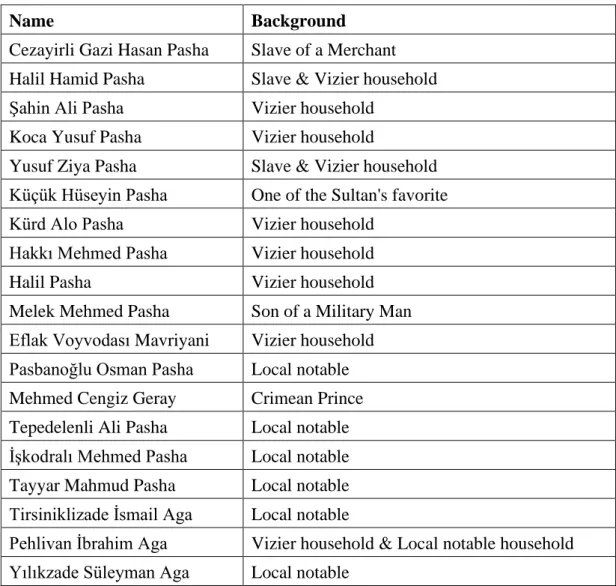
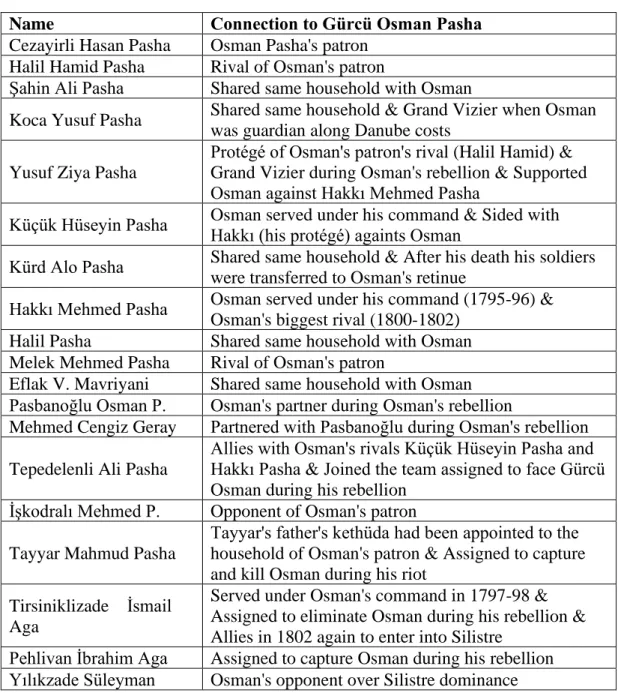
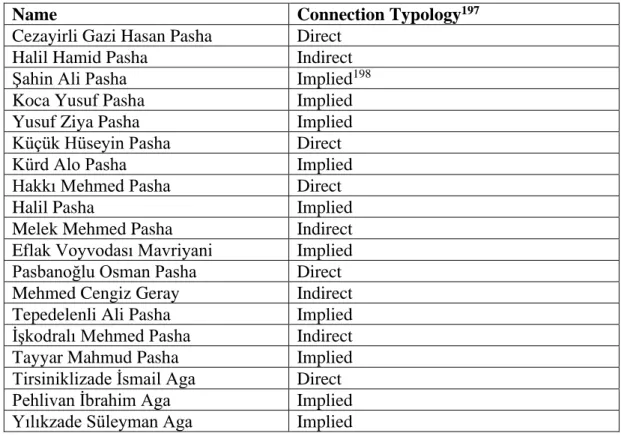
Table 1. Backgrounds of The Prominent Figures From 1790s to 1800s ... 69 Table 2. Connections of the Prominent Figures with Gürcü Osman Pasha ... 99 Table 3. Connection Typology for the Connections between Osman Pasha
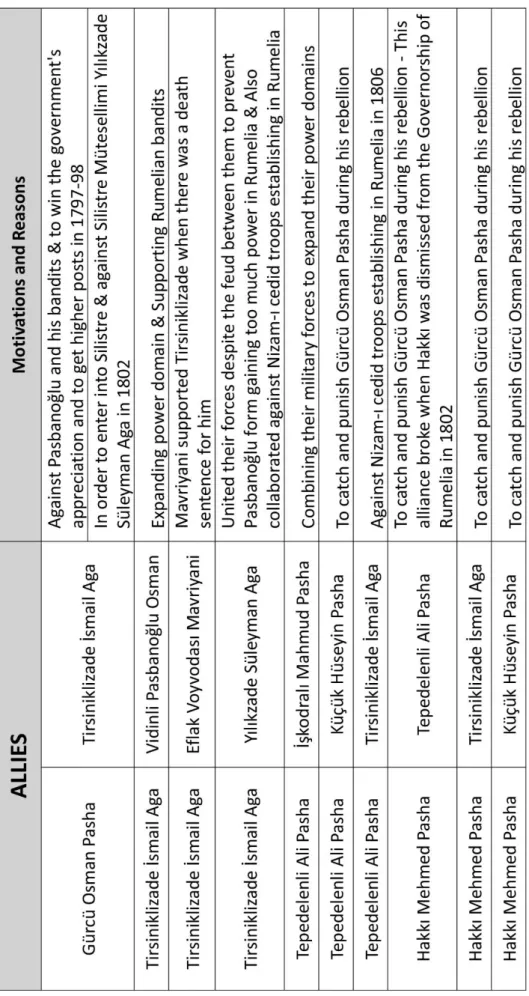
and other Prominent Figures of the Time ... 100 Table 4. Alliances in 1790s and Early 1800s ... 104 Table 5. Rivalries in 1790s and Early 1800s ... 105 Table 6. Some of tevzi defter items covering expenses between 1795 May–
1795 November for the Keşan district ... 143 Table 7. Ratio of Pasha’s expenses to the total District expenses:
Comparison of İvrace, Zagra-yı Atik and Malkara districts ... 145 Table 8. Osman Pasha’s monthly and 6-month mahiyye expenses when
each of the four thousand Albanian soldiers are paid 9,5 kuruş: ... 150 Table 9. Pasha’s monthly and 6-month mahiyye expenses when each of the
four thousand Albanian soldiers are paid five kuruş: ... 150 Table 10. Number of Osman Pasha’s Soldiers 1796-1803 ... 170 Table 11. Amounts of Unpaid Salaries of Osman Pasha ... 173
LIST OF FIGURES
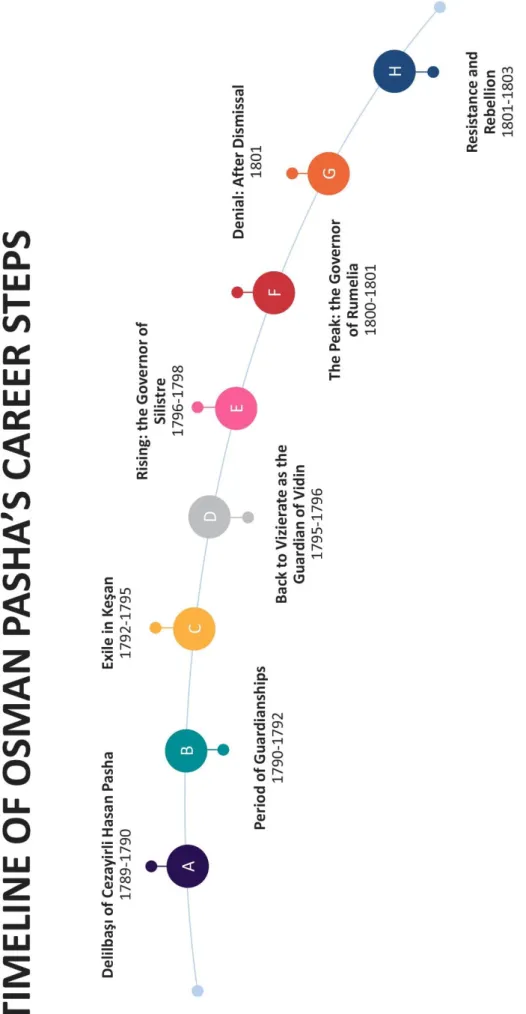
Figure 1. The Timeline of Gürcü Osman Pasha’ Life... 65
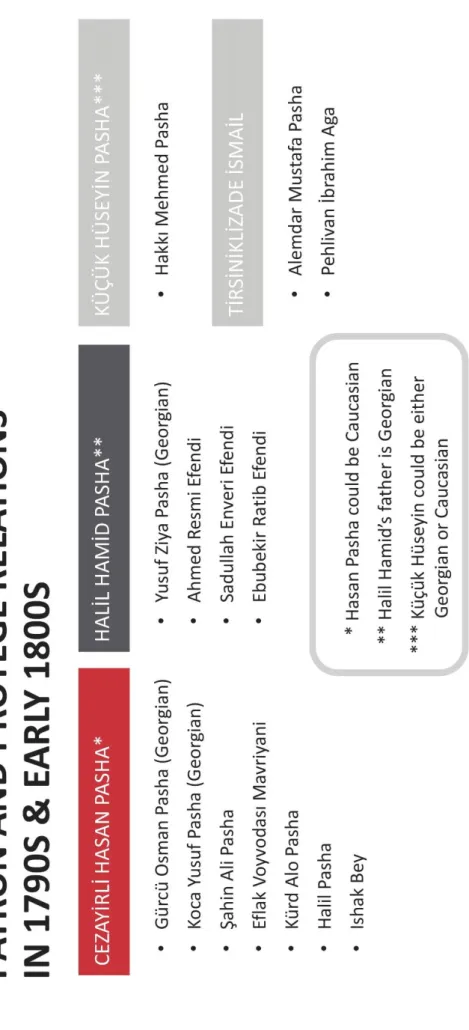
Figure 2. Patron and Protege Relations in 1790s and Early 1800s ... 70
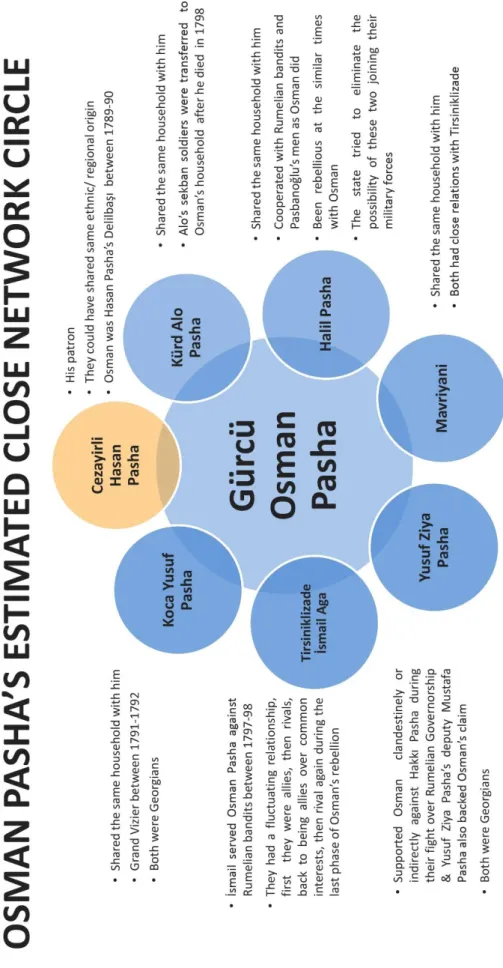
Figure 3. Close Network Circle of Gürcü Osman Pasha ... 101
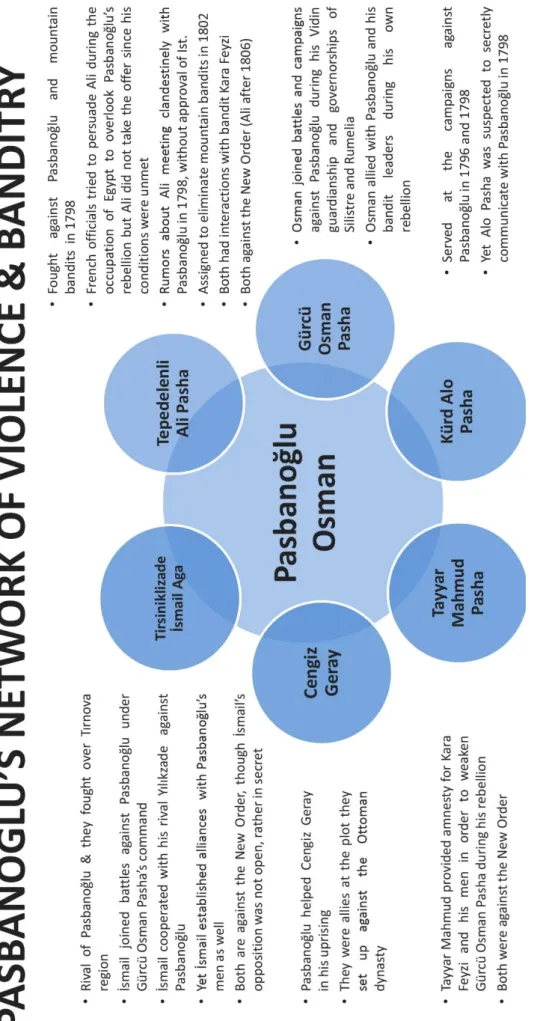
Figure 4. Pasbanoğlu Osman’s Network of Violence and Banditry ... 103
Figure 5. Growth of Osman Pasha’s Soldiers 1796-1803 ... 171
CHAPTER I
INTRODUCTION
1.1 The Subject
In the 1790s, mentions of “mountain banditry” (dağlı eşkıyalığı) and “mountain rebellions” (dağlı isyanları), “bandits” (eşkıya) and “rebels” (asi), and “troubles” and “incidents” (gaile / hadise / mesele / olay) came to pervade Ottoman official documents and chronicles, marking the start of some two decades of social, political, and economic unrest in Rumelia, the Ottoman Balkans. This was the world of Gürcü Osman Pasha. Once a promising state official, rising to the high office of Governor of Rumelia at the peak of his career, Gürcü Osman turned rebel when he refused to give up this position, sacking Rumelian districts in cooperation with the most unruly characters of the region, Pasbanoğlu Osman and his bandit leaders. Stigmatized as a rebellious pasha, Gürcü Osman was eventually executed by the government he once served.
During his lifetime, Osman Pasha built up a domain of power through the effective management of patronage relations, political networks, and alliances with other state officials and local notables (ayans). Through this power, and the numerous irregular paid soldiers he kept in his service, he became a force to be reckoned with in the Ottoman Balkans. Yet he was never as major a figure as other prominent official
of his time, such as his patron Cezayirli Gazi Hasan Pasha, or Koca Yusuf Pasha, or Yusuf Ziya Pasha. He was not a local notable by origin like other considerable notables of his time, such as Pasbanoğlu Osman Pasha, Tirsiniklizade İsmail Aga, Tepedelenli Ali Pasha, Tayyar Mahmud Pasha, and Alemdar Mustafa Pasha.
As far as we know, he never received official training in Istanbul, but his military skills secured him a position at the house of Hasan Pasha, who was one of the most outstanding official figures of the time. Thanks to his influential patron, Osman was able to establish useful relationships and later rise up to the Rumelian governorship. His loyalty to Istanbul, however, was questioned several times, and the central government almost always saw him as a character to be carefully watched—most likely because the soldiers in his service were inclined to be unruly, especially when their salaries went unpaid, and because he seems to have had a tendency to financially oppress people in the provinces. But was he an official in distress who collaborated with rebels, and/or other local figures, and overcharged local people out of desperation and economic duress? Or was he a disloyal opportunist with his own ambitions and agenda who betrayed his imperial patron for the sake of his own interests?
Through a close examination of the story of his household, networks, alliances, practices, and failures, this dissertation offers a case study in Ottoman provincial administration and the power struggles in Rumelia during the reign of Selim III (1789– 1807). Its focus, on this non-primary and non-ayan administrative figure, differs from that of most existing studies of the period, which generally concentrate on more prominent figures like grand viziers, notorious rebellious leaders, or grand local notables. This study thus aims to fill in the gaps that lie under and around these well-known figures, and in doing so to help produce a fuller and more robust picture of
power politics in Ottoman provincial administration during the late eighteenth and early nineteenth centuries.
Although his name was frequently mentioned in the reports of Ottoman officials, and although he was even suspected of conspiring against the sultan, Gürcü Osman Pasha and his story were overshadowed by other prominent rebels of the period. Ottoman historians studying the late eighteenth century have tended to focus on rebellious individuals like Pasbanoğlu Osman Pasha, Tepedelenli Ali Pasha, Tirsinikli İsmail Aga, Alemdar Mustafa Pasha, and Canikli-zade Tayyar Mahmud Pasha, all of whom were local notables. Gürcü Osman Pasha had no ayan origins, but his rise and later uprising were nourished by the rise of the ayans. As I will show in the following chapters, although he was a man of state with influential contacts in the center, his power lay mostly in his interactions with the local notables around him, and, more importantly, in his ability to “localize”, or even “notable-ize”,1 in the Ottoman provinces. Before we get into the
details of his story, we should first look at the historical scene of the eighteenth century and the political, military, and fiscal conditions that made his case possible.
1.2 Transformations Leading to the Realities of the Late Eighteenth Century
From the sixteenth century onwards, major changes occurred in the structure of the Ottoman land regime. Many factors contributed to these changes. Some were global, like the effect of the world economy and the increase in money supply after the
1 Hülya Canbakal states that there are two trajectories in the interaction between the center and the
provinces giving rise to local notables. The first involves officials appointed by the center and assigned to the provinces, where they then put down roots and become local, which process I refer to here as the “localizing” or “notable-izing” of these figures. The second involves local notables from the provinces who acquire official posts and titles from the center, thereby entering into the military class of the Ottoman political system and becoming “officialized” figures as part of the broader process of the “officialization” of the ayans. Hülya Canbakal, Society and Politics in an Ottoman Town: Ayntab in the 17th Century (Leiden: Brill, 2007).
discovery of the Americans. Some were specific to the Ottoman Empire, including financial troubles caused by inflation and devaluation, the burden of back-to-back wars on the central treasury, and the growing cost of salaries for paid soldiers, as well as other sorts of troubles relating to the growing demand for soldiers, the entry of the reaya (tax-paying subjects) into the military class, the Celali uprisings in Anatolia, high turnover rates among state officials, the rise of provincial notables (ayans), and the reaya’s exposure to exploitation and oppression by local powers. The process of the dissolution of the tımar (classical prebendal taxation system) and the pressing need for more cash revenue led to some radical military transformations, which in turn led to major changes in the administrative, political, and economic realms. Through all these changes, the “centralist” character of the Ottoman state—that is, the centrality of governmental power and the means of production—underwent significant transformations at almost all levels.
In general, this process resulted in the transformation—and, in time, handover—of tımar lands, together with the decentralization of provincial management. The preliminary signs of this transition first manifested in military and related fiscal institutions, especially in the military aspects of the tımar institution. Already in the late sixteenth and early seventeenth century, the tımarlı sipahi cavalry, which constituted the most populous group of actors in the tımar institution, was failing in battlefields against European armies, which were better organized and equipped with firearms. And since the tımar system served not only military but also administrative and provincial-management functions, when this system began to lose its importance in the empire’s military organization, its role also faded in the empire’s
power structure, especially in the management of provinces.2 As a result, the number of Janissaries increased in the capital and in the provinces, and more mercenaries with firearms started to be employed from among the reaya.3
The weakening of the tımarlı sipahis as a military power led inevitably to the deterioration of the economic forms to which they were linked. With the disintegration of the tımar regime and a pressing need for cash sources,4 the Ottoman state began to convert the tımar lands of sipahis into mukataas (revenue districts). Through the implementation of this mukataa system, the state sought to create a more liquid financial sector that could in time guarantee greater cash revenue. Much of these mukataa revenues were destined to pay for the maintenance of armies, for either state or provincial troops, like units of paid irregulars (sekban).5
However, conversions into mukataas were not limited to tımar lands alone. After the second half of the sixteenth century, the hass (appanage) holdings of higher state officials were also subverted and gathered under state mukataas. Thus, the central government turned to the mukataa system to seize control over lands and other income sources that had been in the hands of local officers and to re-distribute them under different financial conditions that it hoped would prove more favorable. These conversions expanded towards the end of the sixteenth century and continued to do so
2 Halil İnalcık, “Military and Fiscal Transformation in the Ottoman Empire, 1600-1700,” Archivum
Ottomanicum, VI (1980), 283-337.
3 For a detailed discussion on the growth Janissary numbers, see Ariel C. Salzmann, “Measures of
Empire: Tax-farmers and the Ottoman Ancient Régime, 1685-1807,” (PhD diss., Columbia University, 1995).
4 At the end of the sixteenth century, budget deficits rose and the need for a better cash flow emerged.
Until 1597, budget deficits were closed with the accumulated budget surpluses of previous years, but by the beginning of the seventeenth century this was no longer possible. Instead, two classic methods were applied in order to close the deficits: reducing expenses and increasing revenues. Baki Çakır, Osmanlı Mukataa Sistemi (XVI-XVIII) (İstanbul: Kitapevi, 2003), 40; Evgeni Radushev, “Les Dépenses Locales dans l’Empire Ottoman au XVIIIe siècle”, Etudes Balkaniques 16, no: 3 (1980), 74.
5 Çakır, Osmanlı Mukataa Sistemi, 42-43; Halil İnalcık, Tanzimat ve Bulgar Meselesi (İstanbul: Eren
over the following two centuries.6 Hass lands formerly assigned to military officers in the provinces were counted among state’s iltizam (tax-farming) lands, which would then be given to the highest bidder, not necessarily to the provincial governors. Although some portion of these newly imposed tax-farms were assigned to valis or other military officers, this was no longer sufficient for them to sustain the large retinues which had traditionally supported their authority, so they had to find new revenue sources.7
Another problem faced by provincial but non-ayan governors was that when they were absent from their assigned posts because of campaigns or new appointments, or through their own choice, the business of tax collecting was delegated to deputies such as mültezims (mukataa tenants). Non-ayan governors generally stood somewhat removed from the local realities of the regions over which they presided, which made it difficult for them to assess the work of the deputies to whom they delegated these duties. This only exacerbated the problems of diminishing revenue due to the alienation of their tımar prebends. All this pushed these governors increasingly to resort to numerous illegal and arbitrary impositions on the reaya, eventually creating a serious administrative void in the provinces.Fueled by these governmental and fiscal situations, the tax-farming system empowered mültezims, most of whom were still state officials coming from the center in the second half of the sixteenth century. In time, some mültezims settled in the provinces to run their businesses, and these people joined the ranks of the local notables, first through tax-farming and then the malikane (life-lease) system.8
6 Çakır, Osmanlı Mukataa Sistemi, 44, 172; Mustafa Nuri Paşa, Netayicü’l-Vukuat, vol. II (İstanbul:
Matbaa-i Âmire, 1295), 91; İnalcık, Tanzimat ve Bulgar Meselesi, 86-7; Mehmet Genç, “18. Yüzyılda Osmanlı Ekonomisi ve Savaş”, in Mehmet Genç, Osmanlı İmparatorluğu’nda Devlet ve Ekonomi (İstanbul: Ötüken Neşriyat, 2000), 211; Erol Özvar, Osmanlı Maliyesinde Malikane Uygulaması (İstanbul: Kitapevi, 2003), 37-45.
7 Bruce McGowan, “The Age of the Ayans: 1699-1812” in An Economic and Social History of the
Ottoman Empire, (1300-1914), Halil İnalcık and Donald Quataert, eds., vol. II (Cambridge: Cambridge University Press, 1994), 658-60.
8 Özcan Mert, “Ayan”, Diyanet Vakfı İslam Ansiklopedisi (DİA), vol. 4 (Ankara: TDV, 1991), 195-198;
Çakır, Osmanlı Mukataa Sistemi, 60; Yuzo Nagata, Muhsin-zade Mehmed Paşa ve Ayanlık Müessesesi (Tokyo: Institute for the Study for of Languages and Culture of Asia and Africa Tokyo, 1976), 7.
Prior to the eighteenth century, few local figures had the power to undertake the management of tax-farming lands on their own. This role had traditionally been filled by state cadres trained at the palace or Istanbul and then assigned to the provinces. In time, however, the effectiveness of these cadres began to decline, just as that of the timarlı sipahis had. This threatened the ability of the central government to manage the provinces and forced it to become more reliant on powerful local intermediaries: the ayans (local notables/magnates).9 As the ayans took posts as mültezims or other provincial officers, they gathered sufficient wealth and power to claim malikane lands on their own account.10 And as they did so, they came increasingly, especially by the eighteenth century, to control the system of mukataas— whether through tax-farming or life-leases after the 1690s—that formed the basis of tax collection in the empire and served as a vital administrative instrument for regional control.11
9 For general works on the ayan issue, see: Yücel Özkaya, Osmanlı İmpartorluğu’nda Ayanlık, (Ankara:
TTK, 1994); Deena Ruth Sadat, “Urban Notables in the Ottoman Empire: The Ayan,” (PhD diss., Rutgers State University, 1969); Albert Hourani, “Ottoman Reform and the Politics of Notables,” in Beginnings of Modernization in the Middle East: The Nineteenth Century, William R. Polk and Richard L. Chambers, eds. , (Chicago: University of Chicago Press, 1968), 41-68; Albert Hourani, “Rumeli Ayanları: The Eighteenth Century,” Journal of Modern History, 44 (1972), 343-63; Nagata, Muhsin-zade Mehmed Paşa ve Ayanlık; Yaşar Yücel, “Osmanlı İmparatorluğu’nda Desantralizasyona Dair Genel Gözlemler,” Belleten, XXXVII/152, (1974), 657-704; Karen Barkey, Empire of Difference: The Ottomans in Comparative Perspective (New York: Cambridge University, 2008), 242-63. See also Suraiya Faroqhi, ed, The Cambridge History of Turkey, vol. III: The Later Ottoman Empire, 1603-1839 (Cambridge: Cambridge University Press, 2006), which includes several studies on the ayans and the Ottoman provincial administration in the eighteenth and early nineteenth centuries: Dina Rizk Khoury, “The Ottoman Centre Versus Provincial Power-Holders: An Analysis of the Historiography,” 135-56; Fikret Adanır, autonomous Forces in the Balkans and Anatolia,” 157-85; Bruce Masters, “Semi-Autonomous Forces in the Arab Provinces,” 186-206. Also worth mentioning are Robert W. Zens, “The Ayanlık and Pasvanoğlu Osman Pasha of Vidin in the Age of Ottoman Social Change, 1791-1815,” (PhD diss., University of Wisconsin-Madison, 2004); Ali Yaycıoğlu, “The Provincial Challenge: Regionalism, Crisis, and Integration in the Late Ottoman Empire (1792-1812),” (PhD diss., Harvard University, 2008); Stanford Shaw, Between Old and New: The Ottoman Empire under Sultan Selim III, 1789-1807 (Cambridge: Harvard University Press, 1971); Vera Moutaftchieva, L’Anarchie Dans Les Balkans A La Fin Du XVIIIe Siecle (İstanbul: ISIS Yayımcılık, 2005); Mehmet Öz, Osmanlı’da Çözülme ve Gelenekçi Yorumcuları: (XVI. Yüzyıldan XVIII.Yüzyıl Başlarına) (İstanbul: Dergah Yayınları, 1997).
10 Çakır, Osmanlı Mukataa Sistemi, 60; Özkaya, Osmanlı İmpartorluğu’nda Ayanlık, 112.
11 Nagata, Muhsin-zade Mehmed Paşa ve Ayanlık, 9; McGowan, “The Age of the Ayans”, 641, 661;
Mustafa Cezar, Osmanlı Tarihinde Levendler (İstanbul: Güzel Sanatlar Akademisi, 1965), 334; Çakır, Osmanlı Mukataa Sistemi, 60; Metin Kunt, The Sultan’s Servants: The Transformation of Ottoman
1.3 The Rise of the Local Notables
In this century of transformations, as existing state officials lost their efficiency in provincial administration, the Ottoman state came increasingly to rely on local magnates, ayans, to carry out the business of government. This practice was not entirely new—ayans had long served the state as officials in the Ottoman provinces. But as more and more came to do so, this altered the paradigm of the relationship between the two parties, and the ayans became powerful stakeholders in both the center and the periphery to a degree not previously seen. The central government grew dependent on these notables, who could access local information and maintain connections more easily than outsider officials. Better local contacts meant more efficient taxing, recruiting, and provisioning. Consequently, “ayanhood” gained a new meaning, and the state acknowledged the authority of notables and recognizedthem as formal and elected state officials. By taking up state posts, these people shifted from the reaya to the askeri class. Still, one should remember that the category or concept of ayan was not limited to formally elected locals, but rather denoted a mixed group of people that included wealthy people from the military or ulema class, state officials with or without a great household, and a diverse range of identities spanning the spectrum between formal and informal, central and local, and loyal and rebel.12
The history of the ayans reflects the socio-economic transformation the Ottoman state underwent from the late sixteenth through the nineteenth century.13
Provincial Government: 1550-1650 (New York: Columbia University Press, 1983); Özer Ergenç, “XVIII. Yüzyılda Taşra Yönetiminin Mali Nitelikleri,” Journal of Turkish Studies, 10 (1986), 95-96.
12 McGowan, “The Age of the Ayans”, 759-884; Halil İnalcık, “Centralization and Decentralization in
Ottoman Administration”, in Studies in Eighteenth Century Islamic History, T. Naft and R. Owen, eds., (Carbondale: Southern Illinois University, 1977), 37-40; İnalcık, “Military and Fiscal Transformation”; Mehmet Öz, Osmanlı’da Çözülme ve Gelenekçi Yorumcuları; Ali Yaycıoğlu, “The Provincial Challenge”.
13 Robert W. Zens, “Provincial Powers: The Rise of Ottoman Local Notables (Ayan)”, History Studies,
They benefited greatly from the tax-farming system and life-leases while building their grand authority in the provinces in the eighteenth century. The center’s distribution of its governmental authority to the provinces and provincial figures created a more decentralized state and a more powerful provincial class. This process could be read as a form of decentralization,14 but it was as much a matter of centralization. This is
because decentralization in this context, sometimes even in extreme forms, could also be interpreted as an attempt by the center to stretch out towards distant provinces and to increase its control over them and their tempting local revenues and sources of manpower. The question here is, how effective were the control mechanisms of the state—that is, the means by which the center sought to stretch its power to encompass distant lands—over the people and practices in the provinces?
Regardless, whether as agents of centralization or decentralization, or even probably of both, the ayans and their rise shaped the eighteenth century. Their power straddled the great dichotomies of their time (local vs. central and non-military/reaya vs. military) and could be used to further both the state’s interests and their own. Here “own” does not mean that they operated alone. On the contrary, despite their considerable prominence, ayans were but the most conspicuous agents in much larger networks that included the bankers/money-lenders (sarrafs) who financed their operations and investments and the judges (kadıs) and non-ayan provincial governors (valis/viziers) who supervised but also supported their administrative and fiscal actions
14 Debates on decentralization vs. centralization are critical in understanding the emergence of the
ayans, and this issue has been addressed by many Ottoman historians. Among them one could mention Mustafa Akdağ, Halil İnalcık, Bruce McGowan, Karen Barkey, Dina Rizk Khoury, Jülide Akyüz, Ali Yaycıoğlu, Mehmet Öz, and Edhem Eldem. While Akdağ, İnalcık, and McGowan evaluate the rise of the ayans as the conclusion of a process of decentralization, others have questioned decentralization, and even centralist features of the empire. Barkey, for example, defines the whole process as an Ottoman-style centralization; Khoury states that the center strengthened itself by using locals’ resources and power; and Yaycıoğlu sees this as the spreading of power from the center to the provinces. From another point of view, Öz and Eldem have criticized the presumption of an earlier, centralized period of the empire, claiming that centralization does not necessarily exclude a de facto decentralization.
and enabled them to run their businesses. Ayans and all other local and provincial figures formed substantial alliances that caused potential disputes in many local districts, disputes between different alliances and also with the center. Thus they collectively shaped the (de facto) management and governance of provinces in the eighteenth century.15 And not surprisingly, their rise was therefore closely connected
with the problems of this significant period, especially the second part of it.
As the ayans’ effective domain grew, their intermediary role between the state and the reaya gained more importance—and vice versa. They mostly favored their own prosperity over the state’s interests in provincial matters, especially about tax-levying and tax-collecting. Despite their newly acquired military status, they were not complete state agents who owed their posts, revenues, or even lives to the state’s authority (these local figures were, after all, strong representatives of the private sector).16 Eventually, the Porte came to view local notables empowered with governing positions as posing a real threat to the functioning of the taxation system and to the maintenance of justice in the land. Yet even so, the government still relied desperately on the troops levied by ayans in Rumelia and Anatolia and on the ayans themselves for managing the provinces.
Especially after 1726, the state increasingly relied on local notables to meet its military expenses and raise soldiers. As Özkaya has suggested, before that time, the state asked for military help from the ayans as well; however, documents show that it was only after 1726 that the state addressed them by their specific names.17 Thus, local
15 McGowan, “The Age of the Ayans”, 642, 644; Vera Moutaftchieva, XVIII. Yüzyılın Son On Yılında
Ayanlık Müessesi, İstanbul Üniversitesi Edebiyat Fakültesi Tarih Dergisi, (Mart 1977), 177-178
16 Mehmet Genç, Devlet ve Ekonomi, 101;Çakır, Osmanlı Mukataa Sistemi, 136; Michael Ursinus, “Zur
Geschichte des Patronats: Patrocinium, Himaya und Deruhdecilik”, Die Welt des Islams, New Series, 23-24 (1984), 479.
notables grew into autonomous power groups when they combined their military power with their economic and social strength. And as power holders, they contributed significantly to Ottoman warfare, and they could control the mechanisms of violence and the fighting units in their regions. Grand figures like Tepedelenli Ali and Pasbanoğlu could recruit large numbers of soldiers from among their own supporters and followers, from rebellious leaders, and from peasants in their specific domain.18 Needless to say, countless cases of conflict and negotiation took place between the provinces and the Porte, especially about taxation abuses and unruly soldiers in ayan retinues. Such disagreements and disputes about taxes and sekbans are mentioned in numerous decrees, orders, warnings, and even threats from the center, and in letters and complaints from local districts as well.19
1.4 Military and Fiscal Needs of Local Notables and Provincial Governors
In military terms, recruiting, inflated numbers of soldiers, desertion, provisioning, and paying soldiers’ salaries and bonuses were significant problems of the eighteenth century. Unorganized mercenary soldiers and their leaders often delayed traveling to where they were ordered, instead lingering, harassing villagers, pillaging their goods and money, and conspiring with bandits or even sometimes engaging in banditry themselves. On the other hand, even these unorganized and bandit-like soldiers serving under their ayan or state-official patrons were strongly needed in order to sustain military campaigns.20
18 Ali Yaycıoğlu, “Provincial power-holders and the Empire in the Late Ottoman World: Conflict or
Partnership?” in Christine Woodhead, ed., The Ottoman World (London and New York: Routledge, 2012), 436-452.
19 Yücel Özkaya, “XVIII. Yüzyılın Sonlarında Tevzi Defterlerinin Kontrolü”, Belleten, vol. LII, 203
(1988), 135-55; Özkaya, Ayanlık.
20 Virginia Aksan, Savaşta ve Barışta Bir Osmanlı Devlet Adamı: Ahmed Resmi Efendi (1700-1783)
(İstanbul: Tarih Vakfı Yurt Yayınları, 1997), 136-138; Ahmed Resmi, Hulasatü’l-İtibar, Osman Köksal, ed., (Ankara: Gazi Kitabevi, 2011).
Mercenary sekban regiments were one of the main sources of military manpower in the households of ayan and non-ayan provincial governors. They were generally paid only during military campaigns and were left without enough revenue in times of peace. So, with the intention of finding other revenue sources, they either became bandits or sought out a patron whose retinue they might join.21 The Ottoman
administration responded pragmatically to these realities, often using troops of rebels against other rebels and pardoning rebellious pashas to secure their help in handling chaotic situations, at least until an opportunity arose to kill them all.22
Large numbers of mercenaries, namely, sekbans, delils, and other units, caused severe financial difficulties for their employers, especially non-ayan officials. Moreover, as I discussed earlier, the gradual transfer of tımar revenues to the central treasury via mukataas, and the transfer of provincial revenues to local notables on a larger scale, made non-ayan provincial governors financially vulnerable. They were deprived of most of the revenue sources that they had used to finance their military and administrative duties and, unlike the ayans, they possessed few other revenue sources of their own. Therefore, new fiscal arrangements were necessary in order to maintain an effective and dependable army.
From the end of the seventeenth century, new revenue sources were allocated to provincial governors with the aim of compensating for their lost sources of revenue and to help them finance the great expenditures required to raise and maintain their mercenary forces. First, the extraordinary levies (avarız) that had earlier been collected
21 İnalcık, “Centralization and Decentralization”, 27-28; Halil İnalcık, “The Socio-Political Effects of
the Diffusion of Fire-Arms in the Middle East” in War, Technology and Society in the Middle East, V. J. Parry and M. E. Yapp, eds., (London: Oxford University Press, 1975), 195-217; Mustafa Cezar, Levendler, 144-169, 256-89.
22 Mehmet Öz, “Kanun-ı Kadim: Osmanlı Gelenekçi Söyleminin Dayanağı mı, Islahat Girişimlerinin
Meşrulaştırma Aracı mı?” in Nizâm-ı Kadîm'den Nizam-ı Cedîd'e: Ölümünün 200. Yılında III. Selim ve Dönemi, Seyfi Kenan, ed., (İstanbul: İslam Araştırmaları Merkezi, 2010).
only in times of war became regular taxes in the early seventeenth century.23 And then new taxes were levied to meet the needs of sekban units in both times of war (imdad-ı seferiyye) and times of peace (imdad-(imdad-ı hazeriyye). Similar to avar(imdad-ız taxes, imdad-(imdad-ı hazeriyye levies turned into a regular tax in time. They could be seen as the legalization of illegal taxations (tekalif-i şakka) on the reaya and as an effort to compensate for the decreased revenues of provincial governors.24 However, in practice, the governors found other ways of charging the public in order to sustain their expensive retinues.
İmdadiye taxes were collected from local people—along with other impositions like fees paid to offset the expenses of the official local notables of a district (ayaniyye) and the miscellaneous expenditures of state officials—by means of public-expense registers (tevzi defters),25 mostly in the eighteenth and nineteenth
23 İnalcık, “Military and Fiscal Transformation”, 314-315; Linda Darling, Revenue-Raising and
Legitimacy : Tax Collection and Finance Administration in Ottoman Empire: 1560-1660 (Leiden : E.J. Brill, 1996), 92-93; Oktay Özel, “Changes In Settlement Patterns, Population and Society In Rural Anatolia: A Case Study of Amasya (1576-1642)”, (PhD diss., University of Manchester, 1993); Bruce McGowan, Economic Life in Ottoman Europe: Taxation, Trade, and Struggle for Land, 1600-1800 (Cambridge: Cambridge University Press, 1981); Oktay Özel, “17. Yüzyıl Osmanlı Demografi ve İskan Tarihi İçin Önemli Bir Kaynak: ‘Mufassal’ Avarız Defterleri”, XII. Türk Tarih Kongresi, 12-16 Eylül 1994, Kongreye Sunulan Bildiriler, vol. 3, (Ankara: Türk Tarih Kurumu, 1999), 735-743; Linda Darling, “Ottoman Fiscal Administration: Decline or Adaptation?,” The Journal of European Economic History, 26/1 (1997), 157-179.
24 Being a new source of regular revenue, imdadiye taxes played a role in decreasing avarız revenues in
the central budget numbers from the end of the seventeenth to the mid-eighteenth century. But although they did not appear in central budgets, they were applied as a new avarız-like tax, and in this way they could be seen as another step or phase towards the rise of a cash economy. See, Ahmet Tabakoğlu, Gerileme Dönemine Girerken Osmanlı Maliyesi (İstanbul: Dergah Yayınları, 1985), 154, 260-8; Ahmet Tabakoğlu, “İmdadiyye”, DİA, vol. 22, (Ankara: TDV, 2000), 221-222; Yavuz Cezar, Osmanlı Maliyesinde Bunalım ve Değişim Dönemi: XVIII. yy‘dan Tanzimat'a Mali Tarih (İstanbul: Alan Yayınları, 1986), 57; İnalcık, “Military and Fiscal Transformation”, 322-7
25 For the main principles of public-expense registers, see Evgeni Radushev, “Les Dépenses Locales”,
74-94; Michael Ursinus, “Avarız Hanesi und Tevzi Hanesi in der lokalverwaltung des Kaza Manastır (Bitola) im 17. Jh.,” Prilozi za Orijentalnu Filologiju, 30 (1980), 481-92; Ursinus, Regionale Reformen im Osmanischen Reich am Vorabend der Tanzimat: Reformen der Rumeliaschen Provinzialgouverneure im Gerichtssprengel von Manastir (Bitola) zur Zeit der Herrschaft Sultan Mahmuds II. (1808-39) (Berlin: 1982); Ursinus, “Zur Geschichte des Patronats”, 476-97; Cezar, Osmanlı Maliyesinde Bunalım ve Değişim; Yavuz Cezar, “18 ve 19. Yüzyıllarda Osmanlı Taşrasında Oluşan Yeni Mali Sektörün Mahiyet ve Büyüklüğü Üzerine,” Dünü ve Bugünüyle Toplum ve Ekonomi, 9 (1996), 89-143; Özkaya, “Tevzi Defterlerinin Kontrolü,”; Özkaya, Ayanlık, 268-71; Musa Çadırcı, Tanzimat Döneminde Anadolu Kentlerinin Sosyal ve Ekonomik Yapısı (Ankara: Türk Tarih Kurumu Yayınları, 2013), 148-70; Christoph Neumann, “Selanik’te On sekizinci Yüzyılın Sonunda Masarif-i Vilâyet Defterleri: Merkezi Hükümet, Taşra İdaresi ve Şehir Yönetimi Üçgeninde Mali İşlemler,” İstanbul Üniversitesi Edebiyat Fakültesi Tarih Enstitüsü Dergisi, 16 (1998), 69-97; Yakup Akkuş, “Osmanlı Maliyesi Literatüründe İhmal Edilmiş Bir Tartışma: Tevzi‘ Defterlerinden Vergi-i Mahsûsaya Geçiş,” Tarih Dergisi, 65 (2017), 29-61; L. Sevinç
centuries. These records were kept at district (kaza) level and prepared by local notables and the judge of a district. Cezar defines the use of tevzi defters in the eighteenth century as a “third/new financial sector”—that is, besides the central treasury and tımar lands. This new sector indicated some kind of local initiative or financial autonomy in the districts and included both fixed, regular taxes and irregular, unforeseen expenditures.26
The turn to these tevzi practices contributed to the rise of local notables and their accumulation of wealth and political influence in their regions. It also contributed greatly to the re-strengthening of the militarily and fiscally weakened non-ayan provincial governors. Ayan and non-ayan provincial governors sometimes struggled among themselves to secure the greater share from the tevzi defters, but also sometimes collaborated to further common interests.27 Tevzi defters provided them a source of extensive potential revenue, because they allowed them to list irregular and unforeseen expenditure items. This gave them significant opportunity to assess levies on district people with almost no oversight from the central government. Until the fiscal regulations of Selim III in 1792,28 the center had little chance to prevent fiscal abuse
Küçükoğlu, “New Fiscal Actors to Control Provincial Expenditures at the End of 18th Century,” The
Journal of Ottoman Studies, LIV (2019), 241-276.
26 Cezar states that the revenues from the legal and illegal tax collections via the tevzi defters ultimately
came to rival the revenues of the central treasury of the empire, which is why he terms this financial area a “new financial sector.” Yavuz Cezar, “Osmanlı Taşrasında Oluşan Yeni Mali Sektörün Mahiyet ve Büyüklüğü Üzerine”, 9, 80- 91, 96, 104-5, 110-120; Cezar, Osmanlı Maliyesinde Bunalım ve Değişim, 71-73, 123-153.
27 Christoph Neumann, “Masarif-i Vilâyet Defterleri” 69-97.
28 For the details of Selim III’s decree aiming to establish control over the public-expense registers, see
BOA, Cevdet Dahiliye (C.DH.), 10665; BOA, C.DH., 11881; Özkaya, “Tevzi Defterlerinin Kontrolü,” 144-46; Cezar, “Osmanlı Taşrasında Oluşan Yeni Mali Sektörün Mahiyet ve Büyüklüğü Üzerine”, 91-93; Musa Çadırcı, Tanzimat Döneminde Anadolu Kentlerinin Sosyal ve Ekonomik Yapısı, 148-70; Çağatay Uluçay, 18. ve 19. Yüzyıllarda Saruhan’da Eşkıyalık Halk Hareketleri (İstanbul: Berksoy Basımevi 1955), 52-55; Ali Açıkel and Abdurrahman Sağırlı, “Tokat Şeriyye Sicillerine Göre Salyane Defterleri (1771-1840)”, Tarih Dergisi, 41 (2005), 101-3; Cezar, Osmanlı Maliyesinde Bunalım ve Değişim, 123-53; Radushev, “Les Dépenses Locales,” 78-82.
in these defters, though it might attempt to do so, if informed in time. Otherwise, it had little recourse but to execute a punishment after the fact.
1.5 Studies on Eighteenth-Century Figures
In the eighteenth century, Rumelia was in great turmoil due to the long-lasting wars of the time with Russian and Austrian forces. With long wars, chaos prevailed: the state’s central authority weakened, most farm lands were destroyed, fiscal revenues decreased, people ran away or joined or helped rebels, uprisings occurred more frequently, and some local leaders supported or became rebels. A power vacuum arose in the center, but local power holders were there to fill the void.29 Both ayan and non-ayan provincial and district governors could be counted as local provincial power holders in this period. In the 1790s, there were many powerful local notables in the provinces, and several influential state-official characters both in the center and in the provinces.
Studies on these eighteenth-century figures focus mostly on grand local notables of the time, like Pasbanoğlu Osman, Tayyar Mahmud, Tepedelenli Ali, Tirsiniklizade İsmail, and Alemdar Mustafa. For instance, Robert Zens and Nagehan Üstündağ studied the major Rumelian figure of Pasbanoğlu. Zens’s thesis suggests that Pasbanoğlu represents both a zenith and a turning point in the social and political evolution of the Ottoman state in the late eighteenth and early nineteenth centuries. He adds that this transition had a major impact on the relationship between the state and its Balkan Christian subjects on the eve of their national demands. Üstündağ analyzed
29 Aksan, Ahmed Resmi Efendi, s.124; Yücel Özkaya, Osmanlı İmparatorluğunda Dağlı İsyanları
the life and power politics of Pasbanoğlu Osman with reference to the changes the Ottoman provincial administration experienced between the seventeenth and eighteenth centuries, looking at his relations with the Ottoman central government and the ayans of the region.30
In his doctoral dissertation, Ali Yaycıoğlu focused on the significant historical conditions that created a new type of provincial elite in the Ottoman Balkans and Anatolia. He examined the rise of this new sort of ayan and covered many notable figures as examples of different governance and power typologies. He looked in particular at the mechanisms through which authority was delegated from imperial authorities to local notables in the eighteenth and nineteenth centuries, and he examined the constitutional orientation of the text of the Ottoman Deed of Agreement. He argued that the provincial challenge and the diffusion of power from the center to the periphery created a medium through which a more participatory polity became possible.31
Canay Şahin examined the rise and fall of the Anatolian Caniklizades dynasty within the context of the redistribution of political and economic resources between the center and the periphery in the second half of the eighteenth century. She analyzed the revenue sources controlled by the family and the leading characters of the household, with a specific focus on Tayyar Mahmud.32 Another Rumelian ayan figure, Tepedelenli Ali, has been treated by Hamiyet Sezer in a study detailing his famous
30 Zens, “The Ayanlık and Pasvanoğlu Osman Paşa of Vidin”; Nagehan Üstündağ, “Power Politics in
the Ottoman Balkan Provinces: A Case Study of Pazvandoğlu Osman,” (PhD diss., METU, 2006); Canay Şahin, “The Rise and Fall of an Ayan Family in Eigtheenth Century Anatolia: The Caniklizades (1737-1808),” (PhD diss., Bilkent University, 2003).
31 Yaycıoğlu, “The Provincial Challenge”.
uprising in Rumelia, though her study is heavier on description than analysis.33 Tirsiniklizade İsmail’s life is the subject of a book written by Erdoğan, Ferlibaş and Çolak that tries to place Tirsiniklizade, the ayan of Ruse, among other ayan, non-ayan, and bandit characters. It focuses specifically on three rebellious people of the period, Pasbanoğlu Osman (an ayan-origin provincial governor and bandit leader), Cengiz Geray (an unruly Crimean prince), and Gürcü Osman Pasha (a non-ayan, military-origin provincial governor). This book also tries to draw connections between the uprisings and power politics of the time and Tirsiniklizade’s reactions to them. Another outstanding feature of this study is that it addresses the patronage (intisab) relations of its protagonist and gives specific information on his proteges.34
Another noteworthy study on ayan during the period is İsmail Hakkı Uzunçarşılı’s book on three very closely related notables in eighteenth-century Rumelia: Tirsiniklizade İsmail, Yılıkoğlu Süleyman, and Alemdar Mustafa.35 This
study contains many details about these figures, but again stands out more for its descriptive than its analytical value, especially concerning how these figures related to one another and other figures of their time. Most of the other studies about ayan figures mentioned above did not have this problem, since they contain valuable analysis of relations between the state and the provinces and among ayans in the provinces. However, these studies on ayans inherently assume that local magnates were more powerful than centrally appointed / non-ayan state officials. I think this assumption undermines the rightful position and place of imperial agents in the power politics of the provinces. Furthermore, these ayan studies tend to evaluate state officials as a
33 Hamiyet Sezer Feyzioğlu, Bir Osmanlı Valisinin Hazin Sonu: Tepedelenli Ali Paşa İsyanı (İstanbul:
Türkiye İş Bankası Yayınları, 2018).
34 M. Erdoğan, M. B. Ferlibaş, K. Çolak, Tirsiniklizade İsmail Ağa ve Dönemi (1796-1806): Rusçuk
Ayanı (İstanbul: Yeditepe Yayınları, 2009).
35 İsmail Hakkı Uzunçarşılı, Meşhur Rumeli Ayanlarından Tirsinikli İsmail, Yılıkoğlu Süleyman Ağalar
homogeneous group, as if they had no significant differences other than their titles and posts, and no conflicts or alliances among them except those too obvious to overlook.
When it comes to studies devoted to particular state officials of the period, the articles of Uzunçarşılı are quite definitive. He published several articles on non-ayan state officials / provincial governors from the eighteenth century, including Cezayirli Gazi Hasan Pasha, Halil Hamid Pasha, Koca Yusuf Pasha, Hakkı Pasha, and Kadı Abdurrahman Pasha. One of the most important administrative and military characters of the period, Cezayirli Gazi Hasan Pasha, is also the subject of a recent doctoral dissertation by Ali Karahan.36 All of these studies are again more descriptive than analytical. Another shortcoming is that they focus on the most prominent figures of the time yet mostly ignore less-prominent state officials. Uzunçarşılı’s articles are all about figures from the reign of Selim III, which is the exact period of Gürcü Osman Pasha’s rise and fall, but Osman Pasha has only a secondary role in his articles. The same holds for Karahan’s study. In both cases, information about Osman is included in the stories only when necessary, with mentions of his posts and his uprising during the last years of life, but he is never represented as an important agent in his own right.
One exception to the overriding focus on the grand ayans and major state officials of the late eighteenth and early nineteenth centuries is the dissertation of Tolga Esmer on Kara Feyzi, a bandit leader under Pasbanoğlu Osman. Kara Feyzi was one of the main actors behind the endemic violence that marked the turn of the eighteenth century. Esmer challenges the common practice of studies in this area by
36 İsmail Hakkı Uzunçarşılı, “Cezayirli Gazi Hasan Paşa’ya Dair”, Türkiyat Mecmuası, VII-VIII/ 1,
(1942), 17-40; Uzunçarşılı, “Halil Hamid Paşa”, Türkiyat Mecmuası, 5 (1935), 213-67; Uzunçarşılı, “Sultan III. Selim ve Koca Yusuf Paşa”, Belleten, vol. XXXIX, 154 (1975), 233-256; Uzunçarşılı, “Vezir Hakkı Mehmed Paşa”, Türkiyat Mecmuası 6 (1936-1939), 177-284; Uzunçarşılı, “Nizam-ı Cedid Ricalinden Kadı Abdurrahman Paşa”, Belleten, vol. XXXV, 138 (1971), 245-302; Ali Karahan, “Cezayirli Gazi Hasan Paşa’nın Hayatı ve Faaliyetleri (1714?-1790)” (PhD diss., Marmara Üniversitesi Türkiyat Araştırmaları Enstitüsü, 2017).
focusing on an “insignificant” actor—that is, one who did not hold official title in his early career or possess a fixed seat of power (unlike the ayans of the time). Esmer views Feyzi’s history through the corpus of official dispatches written about him, and he states that his mobility, lacking as he did substantial properties or provinces of his own, enabled him to be more flexible and establish different types of relations with various socio-political groups throughout Rumelia and beyond.37
Relations among the ayan, state officials, and bandits in Rumelia at the turn of the century were quite complicated and intertwined. The military and administrative figure I focus on in this study, Gürcü Osman Pasha, stood amid a host of such figures and their networks. My reason for choosing Osman Pasha specifically and not another rebellious figure of the time is that, despite his lack of a dynastic tie, he still rose to very high-ranked posts in very troubled times in Rumelia, yet did so without becoming one of the major patron figures of his time. He was not from an established ayan household like Caniklizade Battal Pasha and Tayyar Pasha. He was not a grand ayan like Pasbanoğlu of Vidin. And he was not a major leading actor like Tepedelenli Ali Pasha of Yanya, either. He was instead a smaller, unruly figure, on par with Kara Feyzi the bandit, one largely eclipsed by other, grander, higher-ranking figures in studies on the eighteenth-century Ottoman Balkans, but with one difference—Osman was a state agent locally assigned, while Feyzi was a local agent from the beginning.
Coming from a humble and simple, yet successful, military background, Osman found a powerful patron and through him worked to advance himself. Later in his career, when he acquired the title of vizier, Osman Pasha stood between the center and the local: he had influential status, controlled major sources of revenue and
37 Tolga Uğur Esmer, “A Culture of Rebellion: Newtworks of Violence and Competing Discourses of
military manpower, settled in and adjusted well to the localities where he was appointed, and became a notable-ized official. Gürcü Osman Pasha’s story is thus the story of the basic realities and issues of this specific period. By learning who he was as a person, and by analyzing his relationships and the political, military, and financial sources of his power, one comes to better understand this time of transformations as a whole. This study will include a comprehensive analysis of his career steps, posts, political networks, and military and financial resources.
The second chapter will detail Gürcü Osman Pasha’s journey from post to post and region to region in chronological order. In the third chapter, I will examine the various types of vertical and horizontal political relations Osman Pasha built—with the center, contemporary ayans and state officials, bandits, and members of his own household—and look for reasonable and meaningful explanations for his rise and ultimate fall. Doing so will reveal the true significance of this pasha, how major a player he was, and the ways in which he used banditry and rebellion as a political tool. The fourth chapter of this study will analyze the military and fiscal conditions that made Osman Pasha a powerful provincial governor. Throughout the dissertation, I will evaluate the military and financial aspects of his story together, since they are very much intertwined and interrelated.
The third and fourth chapters are going to have a brief summary and review at the end. Therefore in the conclusion, rather than simply recapitulating these summaries, I will instead focus on analyzing the life of Osman Pasha as a whole and what it tells us about power relations in the Ottoman Empire in the eighteenth century and beyond.
1.6 Sources
The largest corpus of official Ottoman sources I use here to construct the life and practices of Gürcü Osman Pasha are in the Hatt-ı Hümâyûn collection (documents sent to the sultan that often bear his own comments as well as those of his divân) and the Cevdet collection housed in the Presidential Archive in Istanbul. In addition to these, I use documents in other collections in the same archive, including the Kamil Kepeci, Ali Emiri, Ahkam, Mühimme, Şikayet, Sicill, and Topkapı Sarayı collections. For the financial analysis of Osman Pasha’s economic growth, Maliyeden Müdevver documents, Baş Muhasebe folders, Divan-ı Hümayun folders (A.DVN.), and tevzi defters (A.DVNSTZEI.d.) all provide valuable information. As chronicles of the time, Tarih-i Cevdet, Tarih-i Nuri, Enveri Tarihi, Edib Tarihi, and Baba Paşa Tarihi are the major sources.
I devote space to several state officials and ayan figures in the second chapter of this thesis. Since they are not my primary focus in this study, I rely mostly on secondary sources on them for the information I provide on their profiles and relationships with Osman Pasha.
CHAPTER II
CAREER STEPS OF OSMAN PASHA
2.1 Period of Guardianships
The early stages of Gürcü Osman Pasha’s38 career within the Ottoman political system are not very clear. According to Sicill-i Osmani, he achieved the positions of mirmiran39 (lord-of-lords) and dalkılıç başbuşluğu (leader of mobilized soldiers)40 due to his successes during the conflicts of the Russo-Turkish War (1787-1792). In the third volume of the chronicle of Enveri (Enveri tarihi), there is a mention of Osman Pasha fighting against Russians in August 1789 around two thousand soldiers beside him.41 These details imply that he his political career started to advance through his military successes.
The later stages of Gürcü Osman Pasha’s career could be followed through various archival documents. For example, when General Governor (Serasker) of
38 The main characters' name Gürcü Osman Pasha will appear at different forms throughout this text
such as “Osman Pasha” or “Pasha”. These titles will only be used to mention Gürcü Osman Pasha, not for any other Osman Pasha of the period.
39 Mehmet Zeki Pakalın, “Mir-i Miran”, Osmanlı Tarih Deyimleri ve Terimleri Sözlüğü, vol. II
(İstanbul: Milli Eğitim Bakanlığı Yayınları, 1993), 545; F.A.K. Yasamee, “Mīr-i Mīrān”, Encyclopaedia of Islam, Second Edition (EI2), vol. I (Leiden: Brill, 1993), 95-96; V. L. Menage,
“Beglerbegi”, EI2, vol. I, (Leiden: Brill, 1986), 1159-1160; Mehmet İpşirli, “Beylerbeyi”, DİA, vol. 6
(Ankara: TDV, 1992), 69-74.
40 Serdengeçtis/ dalkılıçs are military units that are responsible for forward battles in the Ottoman army.
This term is used for soldiers recruited from local people in the 18th century, either to join state troops
or bandit troops. Abdülkadir Özcan, “Serdengeçti”, DİA, vol. 36 (Ankara: TDV, 2009), 554-555.
41 Filiz Bayram, “Enveri Tarihi: Üçüncü Cild (Metin ve Değerlendirme)”, (PhD diss. İstanbul
İsmail42 Cezayirli Gazi Hasan Pasha43 needed help during the battles with Russia in
September 1789, Osman Pasha was among the officials ordered to go to İsmail and provide help for the defense of İsmail, İbrail (Braila) and Eflak (Wallachia).44 The Osman Pasha mentioned here, must be Gürcü Osman Pasha.45 Indeed, it can be proved from Enveri tarihi and other archival documents that Osman Pasha was Delilbaşı (leader of irregular cavalry) of Cezayirli Hasan Pasha (his patron) in İsmail and afterwards when Hasan Pasha appointed as the Grand Vizier.46
A few months later, Osman Pasha appeared as the Guardian of İsakçı (İsakçı
Muhafızı) 47 in the documents and he was appointed as the mutasarrıf (tax-collector)
of Kayseri as a reward for his military success at the battles. Yet, he did not go to Kayseri himself, instead he sent a mütesellim (deputy governor); this district was given to the him as an additional source of income (arpalık). Then he was called to defend the fortress of İsmail. 48 Yet later on, whilst he was on his way towards his new assignment, his post was changed to Tutrakan,49 because the defense of Tutrakan
42 İsmail (Izmail) is a fortress-city havingextensive trade activities on the Danubian delta. From 1780
onwards, it became a major military base for the Ottomans against the Russians. Feridun Emecen, “İsmail”, DİA, vol. 23 (Ankara: TDV, 2001), 82-84.
43 Cezayirli Hasan Pasha will be discussed at length later on. He is an outstandingcharacter from the last
quarter of the 18th century. Gürcü Osman Pasha, and many more important political figure of the time
were trained in Hasan Pasha’s household.
44 BOA, TS. MA. e. 437.23, 1789 September.
45 However, there was another Osman Pasha lived at similar dates who was appointed to similar posts
in the same region; Kürd Osman Pasha. It was often difficult to recognize which Osman Pasha was mentioned in the documents since Kürd or Gürcü words were mostly not used in the namings. Furthermore, these two Osman pashas sometimes were assigned to same posts consecutively, such as İsmail, İsakçı and Tutrakan. BOA, C. AS. 38953, 1789 October; AE.SSLM.III 19965, 1789 October; BOA, MAD.d.3173, 105b, 106a, 106b, February-August 1790.
46 BOA, HAT. 15018, 1802 May (agytt: date is estimated by the archıval personnel); BOA, C. AS.
26535, 1789 September; Bayram, “Enveri Tarihi”, 680.
47 İsakçı (Isaccea) is a fortress-city on the right coast of the Danube. There is also a port and storehouse
used as a shipping point for provisions. Being a strategically important place for the Ottoman army, İsakçı was attacked by Russians in 1771, 1790, 1809 and 1818. Bogdan Murgescu, “Köstence” DİA, vol. 12 (Ankara: TDV, 2000), 489-490.
48 BOA, AE.SSLM.III 12000, 1790 January (agytt); C.AS. 29700, 1790 April/ May (agytt);
MAD.d.3173, 106a, April 1790; C.DH. 1242, 1790 April; C.DH. 13919, 1790 May; C. AS. 41816, 1790 June.
49 Tutrakan is another fortress-city to the West of Silistre on the Danube. The geographical position of
this town is to the south of the Danube and to the east of Rusçuk-Hezargrad-Varna. Machiel Kiel, “Deliorman” DİA, vol. 9, (Ankara: TDV, 1994), 141-144.
coasts was prioritized.50 Osman Pasha resided in Tutrakan as a guardian pasha (muhafız paşa) and succeeded at the fights with Russian troops.51
After a couple of months, at the beginning of 1791, Osman Pasha was ordered to go to İbrail52 as the Guardian of İbrail.53 As two guardianship positions were given to him with such close timing, one may ask whether or not Osman Pasha could the guardian of two places at the same time. However, Hakan Engin who has conducted a research on İbrail, stated that muhafiz pashas of fortresses had to reside in their assigned posts.54 From this, we can infer that it is not possible for Osman Pasha to be the guardian of two different fortresses at the same date, such as İsakçı and Tutrakan, or İsakçı and İbrail.
Osman Pasha was promoted wıth the rank of vizierate in 1791, due to his significant military successes.55 In the year of 1792, with the army moving from Şumnu56 to Edirne, the region of Şumnu became more exposed to bandit assaults. So
it was decided that an experienced and successful official should be appointed to the guardianship of Şumnu to prevent the bandits from causing trouble in the neighborhoods across Şumnu. Gürcü Osman Pasha was the official chosen for this
50 Bayram, “Enveri Tarihi”, 680.
51 C.AS. 21311, 1790 April; C. AS. 23899, 1790 June; C. AS. 20380, 1790 August; MAD.d.3173, 106a,
May 1790.
52 İbrail is both a fortress-city and a port-city that has a pier for the purpose of trade. It is to the left coast
of the Danube. During the Ottoman-Russian wars beginning from the 18th century onwards, İbrail was
exposed to Russian attacks and occupation from time to time. There were two thousands of soldiers that were tasked under the service of the guardian of İbrail in 1790. There were also storages for ammunition and provisions in the city too. Mihai Maxim, “İbrail”, DİA, vol. 21, (Ankara: TDV, 2000), 363-366.
53 C.AS. 41308, 1791 January; C. AS. 50770, 1791 January; MAD.d.3173, 108b, April 1791.
54 Hakan Engin, “1878-1792 Osmanlı-Rus, Avusturya Harpleri Sırasında İbrail Kalesi” (Master Thesis,
Trakya Üniversitesi, 2013), 16-19.
55 Bayram, “Enverî Târîhi”, 845.
56 During wars between the Russians and the Ottomans that began from 1768 and lasted till the last
quarter of the 19th century with certain intervals, Şumnu (Shumen) became the main military base for
the Ottoman armies. From the 17th century onwards and especially during the 18th and the 19th centuries
Şumnu was an active centre for heteredox İslam. The Bektashis started to be seen in Şumnu with the effect of Cezayirli Hasan Pasha in 1790. Hasan Pasha died in Şumnu in the same year, and his tomb is in this city. Machiel Kiel,“Şumnu“, DİA, vol. 39, (Ankara: TDV, 2010), 227-230.