İSTANBUL BİLGİ UNIVERSITY INSTITUTE OF GRADUATE PROGRAMS
CLINICAL PSYCHOLOGY MASTER’S DEGREE PROGRAM
THE EFFECT OF ADULTS' PERCEPTIONS OF THEIR PARENTS’
EMOTIONAL AVAILABILITY AND PAST INTERPARENTAL CONFLICTS ON THEIR CURRENT EMOTION REGULATION DIFFICULTIES
Hüseyin YÜKSEL 117627006
Asst. Prof. Alev ÇAVDAR SİDERİS
İSTANBUL 2020
The Effect of Adults' Perceptions of Their Parents’ Emotional Availability and Past Interparental Conflicts on Their Current Emotion Regulation Difficulties Yetişkinlerin Ebeveynlerine Dair Duygusal Erişilebilirlik Algıları ve Ebeveynlerinin Arasında Geçmişte Yaşanmış Çatışmalara Dair Algılarının Duygu Düzenleme Güçlüklerine
Olan Etkisi Hüseyin Yüksel
117627006
Thesis Advisor: Alev Çavdar Sideris, Asst. Prof. ……… İstanbul Bilgi Üniversitesi
Jury Member: Anıl Özge Üstünel Balcı, Asst. Prof. ………. İstanbul Bilgi Üniversitesi
Jury Member: Safiye Serra Müderrisoğlu, Assoc. Prof ………. Boğaziçi Üniversitesi
Thesis Approval Date: 23.06.2020 Total Page Number: 129
Anahtar Kelimeler (Türkçe) Keywords (English)
1) Duygu Düzenleme Güçlükleri 1) Emotion Regulation Difficulties 2) Babanın Duygusal Erişilebilirliği 2) Emotional Availability of Father 3) Annenin Duygusal Erişilebilirliği 3) Emotional Availability of Mother 4) Ebeveynler Arası Çatışma 4) Interparental Conflict
iii
Acknowledgements
First and foremost, I would like to thank my thesis advisor Assist. Prof. Alev Çavdar Sideris for her embracing, containing, and encouraging attitude. It couldn’t be possible for me to complete this work without her support and guidance. She made the difficulties easy with her facilitating attitudes.
I would also like to thank my jury member, Assist. Prof. Anıl Özge Üstünel Balcı for her valuable contributions to my study. I am thankful to her for her valuable time and constructive comments.
I also owe special thanks to my other jury member, Assoc. Prof. Serra Müderrisoğlu, not only for being part of this thesis, but also for all her unconditional support for the last fourteen years. Without her support, I couldn’t be either completing this work or being a clinical psychologist.
I would also like to thank Türkiye Bilimsel ve Teknolojik Araştırma Kurumu (TÜBİTAK) for supporting me financially during my graduate education.
Additionally, I wish to express my gratitude to all the people in the Department of Educational Sciences, Boğaziçi University for their understanding and sincere support.
My dear friends, Gizem Köksal, Irmak Gültekin, and Merve Adlı İşleyen, your great support for my study, especially when the road got though, is whole-heartedly appreciated. Your joyful presence has made my thesis process easier and more bearable.
I am indebted to İlayda Mutlu, Cansu Sevinç and Ece Yayla, who are my friends from the graduate program, shoulders to cry on, for making me feel that I am not alone in this process.
I think I owe one of the most special thanks to Pınar Serbest, who helped me to find my desire to be a clinical psychologist and kept me going on.
I would like to thank my valuable supervisors Burçak Erdal, Hande Özyıldırım Dündar and Reyan Kanyas. They have helped me to make my internship process
iv
emotionally bearable by their emotional support offered in supervision environments, which enabled me to move to the thesis process.
My heartfelt appreciation goes to my lovely family for their understanding and support when I devote my time to this program and thesis. Knowing that I have been always in their lovely heart and mind keep me motivated in this journey. I give my special thanks to my mother, Havvana Yüksel, and my father, Mustafa Yüksel, for providing inspiration for this study.
The most special thanks go to my beloved one, Sezen Bektaş Yüksel. She has been the real witness of this process and all its painstaking stages since the very beginning. She has always motivated me to go on whenever I felt lost and frustrated. Expressing mere thanks does not suffice for the way she shares life with me.
v
Table of Contents
Acknowledgements ... iii
Table of Contents ... v
List of Tables ... viii
List of Figures ... ix Abstract ... x Özet ... xii INTRODUCTION ... 1 CHAPTER 1 ... 6 LITERATURE REVIEW ... 6 1.1. EMOTION REGULATION ... 6
1.1.1. Definitions and Theoretical Conceptualizations of Emotion Regulation ... 7
1.1.2. Development of Emotion Regulation from Infancy to Adulthood ... 12
1.2. EMOTIONAL AVAILABILITY OF PARENTS ... 17
1.2.1. Definitions and Theoretical Conceptualizations of Emotional Availability ... 18
1.2.2. Assessment of Emotional Availability ... 22
1.2.3. Previous Studies on Emotional Availability and Emotion Regulation ... 24
1.3. INTERPARENTAL CONFLICT ... 27
1.3.1. Theoretical Conceptualizations and Definitions of Interparental Conflict 27 1.3.1.1. Cognitive-Contextual Model ... 29
1.3.1.2. Emotional Security Hypothesis ... 34
vi
CHAPTER 2 ... 39
METHOD ... 39
2.1. PARTICIPANTS ... 39
2.2. INSTRUMENTS ... 40
2.2.1. Demographic Information Form ... 41
2.2.2. Lum Emotional Availability of Parents (LEAP) ... 41
2.2.3. Children’s Perception of Interparental Conflict (CPIC) Scale... 42
2.2.4. Difficulties in Emotion Regulation Scale (DERS) ... 43
2.3. PROCEDURE ... 44
2.4. DATA ANALYSIS ... 45
CHAPTER 3 ... 46
RESULTS ... 46
3.1. PRELIMINARY ANALYSES ... 46
3.2. RELATIONS BETWEEN DEMOGRAPHIC CHARACTERISTICS AND DIFFICULTIES IN EMOTION REGULATION ... 49
3.3. RELATIONS BETWEEN EMOTIONAL AVAILABILITY, INTERPARENTAL CONFLICT, AND EMOTION REGULATION ... 50
3.4. FACTORS THAT PREDICT DIFFICULTIES IN EMOTIONAL REGULATION ... 51
CHAPTER 4 ... 54
DISCUSSION ... 54
4.1. DISCUSSION OF THE MAIN FINDINGS ... 54
vii
4.1.2. Children’s Perceptions of Interparental Conflict and Emotion Regulation
Difficulties ... 61
4.2. DISCUSSION OF FURTHER OBSERVATIONS ... 65
4.2.1. Age and Emotion Regulation ... 66
4.2.2. Gender and Emotion Regulation ... 68
4.2.3. Psychological Support and Emotion Regulation ... 69
4.3. LIMITATIONS OF THE PRESENT STUDY ... 71
4.4. SUGGESTIONS FOR FURTHER STUDIES ... 72
4.5. CLINICAL IMPLICATIONS ... 73 CONCLUSION ... 74 References ... 77 APPENDICES ... 105 APPENDIX A ... 105 APPENDIX B ... 108 APPENDIX C ... 110 APPENDIX D ... 112 APPENDIX E ... 115
viii List of Tables
Table 4. 1. Reliability Scores of All Scales ... 47
Table 4. 2 Descriptive Statistics for Study Variables ... 48
Table 4. 3 Correlations Between Main Variables of the Study ... 51
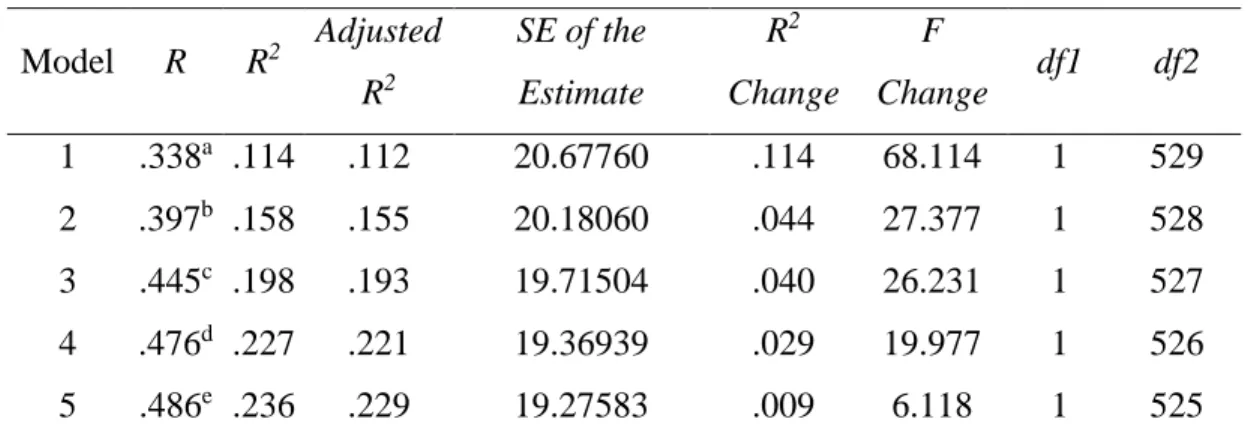
Table 4. 4. Model Summary of Stepwise Regression Analysis (N = 553) ... 53
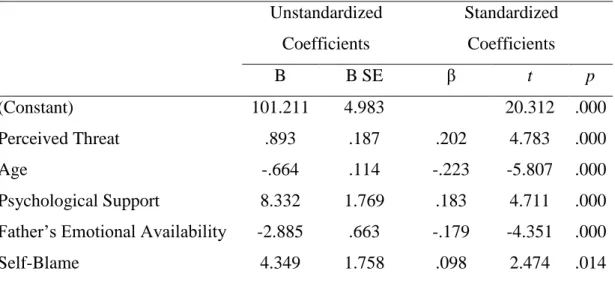
Table 4. 5. Stepwise Regression Analysis for Variables Predicting Emotion Regulation Difficulties (N = 553) ... 54
ix List of Figures
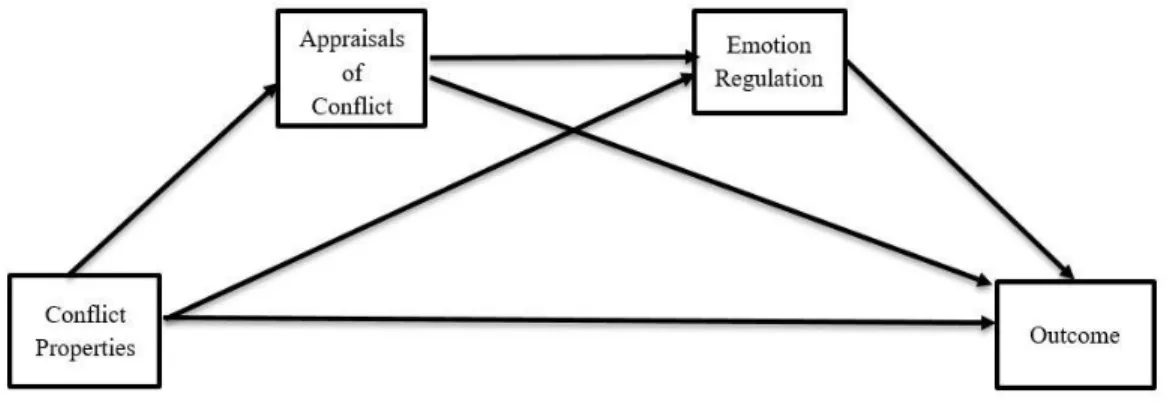
Figure 5. 1 Suggested Model of Micro-Mediational Chains for the Relations between Study Variables ... 65
x Abstract
The main aim of this study is to explore whether adults’ emotion regulation difficulties are predicted by their perceptions of interparental conflicts while growing up and their perceptions of emotional availability of their parents. In addition, the effects of the interactions between different dimensions of these constructs on emotion regulation difficulties were also aimed to be investigated.
Through convenient sampling, 824 people over the age of 18 were reached, and 553 of them completed the battery of the study instruments. Participants filled in the Difficulties in Emotion Regulation Scale, Lum’s Emotional Availability of Parents Scale, and Children's Perception of Interparental Conflict Scale in random order. Finally, the Demographic Information Form was completed by the participants.
In this study, it was hypothesized that the emotional availability of each parent would separately predict difficulties in emotion regulation. In addition, it was hypothesized that all dimensions of the interparental conflict scale, the conflict properties, perceived threat, and self-blame would separately predict difficulties in emotion regulation.
The results of the stepwise regression analysis showed that perceived threat about interparental conflict was the strongest predictor of difficulties in emotion regulation. As threat that individuals perceived about past interparental conflict increases, emotion regulation difficulties increase. After perceived threat, age became the second powerful predictor. As the age of the participants increases, their reported difficulties in emotion regulation decrease. Psychological support background appeared as the third important predictor. Individuals who reported receiving any psychological support once in their lives reported more difficulties in emotion regulation. Another significant predictor was perceived emotional availability of fathers. As perceived emotional availability of the fathers increases, reported emotional regulation difficulties decrease. The last predictor was self-blame about interparental conflicts. As the participants’ appraisals of self-blame about their parents’ marital
xi
discords increase, their reported difficulties in emotion regulation increase. It was also found that the interactions between the dimensions of emotional availability of parents and interparental conflict had no predictive power on emotion regulation difficulties.
The results of the present study were discussed with respect to theoretical models and past research. Considering the study findings, clinical implications and recommendations for future studies were made.
Keywords: Emotion regulation difficulties, emotional availability of father, emotional availability of mother, interparental conflict, perceived threat, self-blame
xii Özet
Bu tez, yetişkinlerin yaşadıkları duygu düzenleme güçlüklerinin, onlar büyürken ebeveynleri arasındaki çatışmalara ve ebeveynlerinin duygusal erişilebilirliklerine dair algıları tarafından yordanıp yordanmadığını araştırmayı amaçlamaktadır. Ayrıca bu iki bağımsız değişkenin alt ölçeklerinin birbirleriyle etkileşimlerinin duygu düzenleme güçlüklerine etkisinin olup olmadığı da keşfedilmek istenmiştir.
Uygun örnekleme yoluyla, internet üzerinden yayılan anket paketi 18 yaş ve üzeri 882 kişiye erişmiş ancak 553 kişi tarafından tamamen doldurmuştur. Katılımcılar rastgele karşılarına çıkan Duygu Düzenlemede Zorluklar Ölçeği, Ebeveyn Duygusal Erişilebilirlik Ölçeği ve Çocukların Evlilik Çatışmasını Algılaması Ölçeği’ni doldurmuştur. En son sırada tüm katılımcılar Demografik Bilgi Formu’nu tamamlamıştır.
Bu çalışma kapsamında anne ve babalara dair duygusal erişilebilirlik algılarının ayrı ayrı duygu düzenleme güçlüğünü yordayacağı tahmin edilmiştir. Ayrıca, Evlilik Çatışmasını Algılama Ölçeği’nin alt ölçekleri olan çatışma özellikleri, algılanan tehdit ve kendini suçlama kısımlarının ayrı ayrı duygu düzenleme güçlüğünü yordayacağı tahmin edilmiştir.
Çalışmada evlilik çatışmasına dair algılanan tehdit en güçlü yordayıcı olarak bulunmuştur. Kişilerin anne-babalarının geçmiş evlilik çatışmalarına dair tehdit algıları arttıkça şimdiki duygu düzenleme zorlukları artmaktadır. Tehdit algısının ardından, yaş ikinci güçlü yordayıcı olarak belirmiştir. Bireylerin yaşı arttıkça yaşadıkları duygu düzenleme zorlukları azalmaktadır. Diğer önemli bir yordayıcı ise kişilerin daha önce psikolojik desteğe başvurmuş olup olmamalarıdır. Kişilerin yaşamlarında bir kez de olsa psikolojik destek için başvurmaları daha fazla duygu düzenleme zorluğu yaşadıklarını göstermiştir. Başka bir önemli yordayıcı da babaların duygusal olarak erişilebilirlik algısı olmuştur. Babalara dair duygusal erişilebilirlik algısı arttıkça yaşanan duygu düzenleme güçlüğü azalmaktadır. Son önemli yordayıcı ise
anne-xiii
babanın çatışmalarına dair suçlu hissetme değişkenidir. Kişilerin anne-babalarının geçmiş evlilik çatışmalarına dair kendilerini suçlu hissetmeleri arttıkça, yaşadıkları duygu düzenleme güçlükleri artmaktadır. Ebeveynlerin duygusal erişilebilirliği ve ebeveynler arası çatışmanın farklı boyutlarının arasındaki etkileşimlerin duygu düzenleme güçlüğünü yordamada bir etkisinin olmadığı gözlemlenmiştir.
Çalışmanın bulguları uygun teorik modeller ve geçmiş çalışmalar bağlamında tartışılmıştır. Elde edilen bulgular ışığında klinik çıkarımlarda ve gelecek çalışmalar için önerilerde bulunulmuştur.
Anahtar kelimeler: Duygu düzenleme güçlükleri, babanın duygusal erişilebilirliği, annenin duygusal erişilebilirliği, ebeveynler arası çatışma, tehdit algısı, kendini suçlama
1
INTRODUCTION
Emotion regulation is a fundamental aspect of everyday life since people, surrounded by emotion-eliciting stimuli, need to regulate their emotions almost all the time according to both situational demands and their personal goals. At first glance, it might seem not to be a very daunting task; however, emotion regulation is sometimes achieved with considerable difficulty depending on various factors. More importantly, whether people are capable of regulating their emotions appropriately and flexibly in a given context, or not, yields important social, cognitive, and affective consequences for them (Gross, 2001; 2014). That is, being regarded as a major developmental achievement, emotion regulation competency is argued to play a vital role in understanding long-term life outcomes including people’s socialization processes, their psychological well-being, and various internalizing and externalizing problems they experience (Bridges & Grolnik, 1995; Cole et al., 2004; Thompson, 1994; Thompson et al; 2008).
Given that emotion regulation might index some important life-long phenomena in individuals, it merits further investigation with a special reference to the questions of what it is composed of, how and when it is developed, and, of particular importance, what factors contribute to its development. Not surprisingly, a vast amount of theoretical and empirical research has attempted to answer these questions over the last decades. Emotion regulation is defined as “the processes by which individuals influence which emotions they have, when they have them, and how they experience and express these emotions” (Gross, 1998, p. 275). As highlighted even in this simple definition, emotion regulation is commonly addressed as a multi-componential construct including a set of relational abilities/strategies ranging from simple awareness of emotions to regulating them flexibly and context properly (Aldao, 2013; Gratz & Roemer, 2004; Gross & Thompson, 2007). With regard to the development of emotion regulation, it is a well-accepted notion that emotion regulation starts to develop during the very early stages of life, as early as three months of age, and keeps
2
developing throughout a whole lifespan (Greenberg & Paivio, 2003; Gross & Munoz, 1995; Kopp, 1989; Thompson, 1990).
Thus, as in many other developmental phenomena, the early familial context is also important for exploring the factors contributing to the development of emotion regulation. Family members are those who we first encounter with the birth, and their effects on our development is much beyond the effect of others we will later encounter. This might be the reason that the impact of family environment on children’s emotional regulation is among widely studied issues in the literature. It is suggested that the emotional climate of the family and early familial processes provide the basis for children to develop social and emotional capacities (Perry, 2002). Important to note, both the quality of the child-parent relationship (Kogan & Carter, 1996; Morris et al., 2007; Sroufe, 2005) and the quality of the relationship between parents (Harold et al., 2004; Harrold & Sellers, 2018) are argued to have an important influence on the development of children across various domains including emotional functioning. Herein, as being two key elements of the early family atmosphere, parents’ emotional availability (Biringen et al., 2014; Emde, 2000; Little & Carter, 2005) and interparental conflict (Grych & Fincham, 1990, Davies & Cummings, 1998; Harold & Sellers, 2018) are worth being discussed in relation to emotion regulation competency.
To begin with, emotional availability is simply defined as “the capacity of a dyad to share an emotionally healthy relationship” (Biringen, et al., 2014, p. 114); here the “dyad” involves the child and the parent, who is mostly the mother. Emotional availability is referred to have a multidimensional nature including both parent- and child-related aspects, thus it is argued to attach importance to not only the parents’ but also the child’s contributions to the relationship (Bringen et al., 2014). In addition to emphasis on the child’s contribution, several researchers also attempt to highlight the importance of both parents’ contributions to the relationship, instead of only the mother’s. It has been reported that not only the mother’s but also the father’s presence/absence and parental quality serve as a determining factor for various
3
psychological and emotional outcomes (e.g, Biringen, 2000; Bretherton, 2000; Easterbrooks & Biringen, 2000; Little & Carter, 2005; Lum & Phares, 2005; Spinrad & Stifter, 2002). As for the link between emotional availability and emotion regulation, it is argued that early healthy parent-child interactions enable a child to gain primary knowledge of emotions and develop adaptive regulatory strategies (Morris, et al., 2007; Parke, et al., 1992; Sroufe, 2005). Despite the accumulated evidence showing that early parent-child relationships and the quality of these interactions exert considerable influence on the development of the child’s regulatory capacities (Kogan & Carter, 1996; Leerkes, et al., 2009; Spinrad & Stifter, 2002; Sroufe, 1996), past research has mostly remained limited to the studies of infants or young children (e.g., Din et al., 2009; Kim et al., 2014; Martins et al., 2012; Racine, et al., 2012). Only a few studies have examined these respective relations with adolescents (e.g., Clay et al., 2017; Karaer & Akdemir, 2019) but almost no study has involved older age groups as far as it is known.
Referred to as another key aspect of family environment, interparental conflict is also argued to affect children’s emotion regulation development. It is defined as “any major or minor interparental interaction that involved a difference of opinion, whether it was mostly negative or even mostly positive” (Cummings et al., 2004, p. 194). To explain the link between interparental conflict and emotion regulation, two theoretical perspectives are widely cited and tested through empirical studies: cognitive-contextual model (Grych & Fincham, 1990) and emotional security hypothesis (Davies & Cummings, 1998). Rather than being considered contrasting theories, these two frameworks are recognized as complementary to each other by suggesting different pathways for explaining the interparental conflict-emotion regulation association (Harold & Sellers, 2018). In brief, the cognitive-contextual model suggests that the impact of interparental conflict on children’s emotion regulation is based on how the conflict is expressed as well as how children perceive its meaning and cause (Grych & Fincham, 1990; Grych et al., 1992). On the other hand, the emotional security
4
hypothesis explains that children’s emotion regulation is adversely affected by interparental conflict since their feeling of emotional security is damaged or threatened in the face of conflict (Davies & Cummings, 1994; Davies & Martin, 2013).
Both theories regard interparental conflict as a multidimensional construct exerting influence via its several aspects rather than as a categorical one affecting via its presence or absence. As such, it is highlighted that conflictual relations between parents constitute a natural and even normal part of each family; and it is not their simple occurrence, but their different dimensions shape their effects on children (Harold et al., 2004). These dimensions could be either related to children’s appraisals of conflict (i.e., their cognitive attributions) as suggested by the cognitive-contextual model or related to children’s emotional processing of conflict as explained by emotional security hypothesis. As noted earlier, a great deal of past research has indicated the negative effects of interparental conflict on emotion regulation development drawing upon the abovementioned theoretical models’ tenets (e.g., Cummings & Davies, 2010; Davies et al., 2002; DeBoard-Lucas et al., 2010; El-Sheikh et al., 2009; Harold et al., 2004; Siffert & Schwarz, 2011). However, as in the literature of parental emotional availability, this line of research has also mostly remained limited with the studies focusing on younger age groups such as children and young adolescents.
To sum up, it is apparent that both parental emotional availability and interparental conflict appear as two key elements of the early family context which might exert considerable influence on emotion regulation capacities of individuals. However, as noted above, there is scant research which investigates these relations with older age groups including young adults and beyond. Indeed, the effects of these early experiences involving parents, either children’s relations with each parent, or the relations between the parents themselves, might continue to exist in subsequent years of life through internalized working models as suggested by the attachment theory (Bowlby, 1989) or object relations constellations claimed by the object relations theory
5
(Greenberg & Mitchell, 1983). Hence, it is quite promising to explore the effects of parents’ emotional availability and their past conflictual relationships on their children’s emotion regulation capacities in children’s adulthood. It is also claimed that to explore these two issues from children’s perspectives, rather than depending on the parents’ self-reports or the researchers’ observations, provide a better understanding of their effects on children since these effects are shaped by how children perceive them or are emotionally affected from them.
Taken together, the present study aims to investigate whether individuals’ perceptions of each of their parent’s emotional availability and their parents’ past conflicts while they were growing up predict their current emotion regulation difficulties. To do so, the study involved people who are all above the age of 18 and assessed their perceptions regarding these two potential predictors and their current emotion regulation difficulties. In this regard, the present study aims to contribute to a gap in the respective literature by simultaneously investigating the relations between the given constructs through involving a Turkish adult sample. It is expected to see whether the effects of these two constructs, whose developmental progress start with early parental relationships, can be traced in later years of life. In addition, in the present study, both emotional availability of parents and interparental conflict are taken as multidimensional constructs as suggested in the literature; thus, this approach is also believed to highlight their dimensions’ differential effects on predicting the emotion regulation difficulties experienced by adults.
In this section, a brief introduction has been provided with respect to the major concerns of the present study. The following chapter presents a comprehensive review of the theoretical and empirical literature regarding the major study concepts. In the successive chapters, the methodology, results, and discussion of the findings of this study are presented respectively.
6 CHAPTER 1 LITERATURE REVIEW
In this chapter, the theoretical and conceptual background of the main study variables, namely emotion regulation, emotional availability of parents, and interparental conflict, are presented as well as the review of the relevant previous research studies in these fields. Following the background and review of the pertinent literature, the aims and significance of the present study are introduced in the final section of this part. Hence, this chapter consists of four main sections in total.
1.1. EMOTION REGULATION
Emotions have essentially permeated almost every aspect of our lives, thus making them a widely-studied phenomenon in social sciences for a long time. That is to say, people who are surrounded by potentially emotion-eliciting stimuli feel various emotions every day; however, the way they perceive or react to the almost same stimuli varies depending on certain personal factors. In one case, for example, a man who yells at you may lead you into extreme anger, while in another case, the same occasion may lead you into laughter. This observed individual variability is where the notion of emotion regulation often enters in.
Thus, it is argued that emotions, as subjective and disputable concepts (Lakoff, 2016), are constantly regulated by people who experience them, either intentionally or unintentionally (Davidson, 1998). Since every emotion undergoes regulation to some extent, some scholars have even considered emotion and emotion regulation two indistinguishable concepts (Campos et al., 1994; Frijda, 1986). Moreover, it is suggested that this process of emotion regulation, rather than emotions by themselves, leads people to act, or not to act, in particular ways (Gross, 2002). Herein, it takes us to the further discussion of the concept ‘emotion regulation’ which is a frequently
7
addressed and investigated phenomenon in the literature as well as the main focus of the present study.
1.1.1. Definitions and Theoretical Conceptualizations of Emotion Regulation
Although it has been a very common and intriguing theme, there is no consensus on the conceptualization and definition of the concept of emotion regulation among scholars (Cole et al., 2004; Koole, 2009), and so, there has been an everlasting call for further research on providing a clear and inclusive definition to this concept (Bridges, et al., 2004; Cole, et al., 2004; Thompson, 1994). Similar to the phenomenon of emotion, numerous perspectives have been adopted to understand the notion of emotion regulation, which in turn has led to the emergence of changing definitions and conceptualizations over time. Although a common definition has not been agreed upon yet, it has been well-accepted that emotion regulation is a major developmental attainment; it has a complex, multi-componential nature; and it is important for understanding several life-long outcomes (Bridges & Grolnik, 1995; Campos et al., 1994; Desiatnikov, 2014; Thompson, 2011).
Considering its multi-componential and complex nature, Thompson (1994) attempted to propose one of the earliest definitions for emotion regulation as “emotion regulation consists of the extrinsic and intrinsic processes responsible for monitoring, evaluating, and modifying emotional reactions, especially their intensive and temporal features, to accomplish one’s goals” (pp. 27-28). In line with this conceptualization, Thompson (1994) pointed to the adaptive and constructive characteristics of emotion regulation and associated them with effective use of social strategies, increased cognitive performance, and ability to cope with stressful home experiences. Moreover, he suggested that emotion regulation plays a key role in the socialization process through providing people with adaptive, strategic, and flexible behavioral and emotional strategies (Thompson, 1994).
8
Another influential contribution to this line of research was made by Gross (1998) who also provided a definition for emotion regulation as “the processes by which individuals influence which emotions they have, when they have them, and how they experience and express these emotions” (p. 275). Similar to Thompson’s (1994) earlier definition highlighting flexibility in applying the strategies of emotion regulation, Gross (1998) indicated that emotion regulation involves implementing strategies to alter or modulate emotional experiences according to the demands of the context in which they arise. Drawing upon this initial conceptualization, Gross (1998, 2002) further suggested a model which classifies emotion regulation strategies into two main groups as follows: antecedent-focused strategies and response-focused strategies. The antecedent-focused strategies are further divided into four sub-categories as situation selection, situation modification, attentional deployment, and cognitive change, all argued to be adopted prior to the generation of the emotions. Situation selection involves efforts put into changing the occurrence of a particular situation which is believed to evoke certain emotions. Mostly, it refers to the strategy of choosing the situations, which will likely result in favorable emotions rather than unfavorable ones. As for situation modification, it includes actively changing the current situation such as asking for someone’s help to feel safer in an anxiety-evoking situation. On the other hand, attention deployment enables emotion regulation through directing attention in certain ways according to a given situation. It mostly appears as distraction or concentration. While distraction includes diverting attention from the affect-eliciting stimuli, concentration includes focusing attention on affects. The last strategy in the antecedent-focused group is the cognitive change, which implies the reappraisal or reinterpretation of the emotion-provoking stimuli. Finally, response modulation, the only response-focused strategy, refers to altering emotional responses after they are already generated. The response modulation strategy, such as suppression, is mostly used to change or alleviate the experiential, behavioral, or physiological effects of emotions (Gross & Munoz, 1995). For instance, experiencing grief after a loss of a beloved person, people tend to suppress this negative emotion by drinking alcohol or
9
using drugs. Among all the antecedent-focused and response-focused strategies mentioned above, cognitive change is reported to be a very effective strategy for emotion regulation, particularly when it is implemented considering the characteristics of the situational context (Webb et al., 2012).
This early categorization of emotion regulation strategies (Gross, 1998) has tended to emphasize two opposites, namely reappraisal (cognitive change) and suppression (response modulation). Furthermore, while reappraisal is mostly suggested as an effective and adaptive strategy, suppression is instead considered ineffective and maladaptive (Gross, 2014). Drawing upon this distinction, previous research has revealed that lower levels of negative and higher levels of positive emotions are expressed by people who implement the strategy of reappraisal (Feinberg et al., 2012; Gross & John, 2003). On the contrary, it has been found that people who implement the strategy of suppression feel the vice versa, lower levels of positive and higher levels of negative emotions, along with suffering from depression (Gross & John, 2003).
However, recent studies have challenged this distinction among emotion regulation strategies by pointing to the utmost importance of the given context and personal goals in evaluating whether an emotion regulation strategy is adaptive or maladaptive (Aldao & Nolen-Hoeksema, 2012; Paul et al., 2013; Zimmermann & Iwanski, 2014). It means that even though it is a strategy having positive connotations such as using reappraisal, implementing this same strategy in all occasions do not necessarily refer to being capable of regulating emotions. Instead, as mentioned above, the proper evaluation of the contextual and individual requirements, and the flexible implementation of strategies are to be involved in the emotion regulation processes (Cicchetti et al., 1991; Cole et al., 1994; Thompson, 1994). Aldao (2013) also stated that emotion regulation aims to change or affect the dynamics of emotions to be able to respond adaptively to the characteristics of the given environment rather than just eliminating or replacing maladaptive emotions.
10
Along similar lines, researchers have argued that emotion regulation, as a complicated process, is far beyond solely involving the immediate elimination of negative emotions (Cole et al., 1994; Gross, 2002; Thompson, 1994). That is to say, emotional control or modification only addresses one aspect of the emotion regulation construct. However, it is emphasized that the conceptualization of adaptive emotion regulation should include a particular reference to the awareness, acceptance and evaluation of emotions and emotional responses (Thompson & Calkins, 1996). Research studies showed that avoidance of negative emotions and thoughts, namely inhibiting or suppressing them, are linked to various psychological disorders as well as escalated emotional arousal (Hayes et al., 1996; Gross & John, 2003; Gross & Levenson, 1997). On the other hand, being aware of undesirable feelings, and being able to accept and evaluate them are found to enhance adaptive emotion regulation (Berking et al., 2008; Gratz & Roemer, 2004; Salovey et al., 1995; Thompson & Calkins, 1996). Similarly, the ability to recognize and manipulate the levels of negative emotions, instead of entirely diminishing them, is suggested to be beneficial for individuals to achieve their goals in specific social contexts (Aldao, 2013). For instance, a certain level of anxiety might boost one’s performance in an exam or in a presentation, whereas higher and lower levels of anxiety could result in disastrous outcomes for the same occasion, pointing to the importance of regulation over the course of an emotion that is commonly considered negative such as anxiety.
In their model of emotion, Gross and Thompson (2007) attempted to address all these crucial aspects of emotion regulation as abovementioned. To provide a comprehensive understanding of the concept of emotional regulation, they inclusively explained the construct of emotion through adopting a sequential approach. According to their model, first it is necessary for emotions to emerge that the situation, either internal or external, should be mentally relevant or at least meaningful to the person. Second, after the situations are engaged, the attributions for them are constructed, which thus evokes particular emotional responses. According to specific contextual
11
demands and their individual goals in this particular context, people mostly tend to improve, maintain, or impede their emotional arousal. As a consequence, the situations or the emotional tone might be changed by emotional responses as part of a feedback cycle. Once more, it is worth noting that such emotional responses have a flexible nature based on the given context. In addition to one’s individual purposes, the expectations of the given social context and even the cultural norms are significant in the regulation of emotions (Aldao, 2013; Saarni, 1999). To sum up, one important index of ideal emotion regulation ability must include having awareness of individual goals and environmental requirements and behaving accordingly.
In parallel to the aforementioned changes in the conceptualization of emotion regulation, the measures used to assess people’s capacity of regulating their emotions have also undergone some changes. As such, initial measures were argued not to emphasize the contextual-dependency and flexibility aspects of emotion regulation (Gratz & Roemer, 2004; Mennin et al., 2002). For instance, the measure Generalized Expectancy for Negative Mood Regulation Scale (NMR) developed by Catanzaro and Mearn (1990) focused on the ability to avoid and eliminate negative emotions without referring to the ability to act accordingly and flexibly in the presence of these emotions. Similarly, another measure, developed by Salovey and colleagues (1995) to assess the emotion regulation construct, is called Trait Meta-Mood Scale (TMMS). Unlike the NMR (Catanzaro & Mearns, 1990), the TMMS addressed some important aspects of the construct such as being aware of and understanding emotions; however, this measure still puts a particular emphasis on emotional avoidance.
In a relatively recent attempt, building upon the new conceptualizations of the construct, Gratz and Roemer (2004) developed a measure called Difficulties in Emotion Regulation Scale (DERS) with special reference to the awareness, flexibility and context-dependency of emotion regulation strategies (Thompson, 1994; Thompson & Calkins, 1996). Considering the multi-dimensionality and complexity of emotion
12
regulation, Gratz and Roemer (2004) aimed to cover different aspects of the construct in their assessment, summarized as follows:
(a) awareness and understanding of emotions, (b) acceptance of emotions, (c) ability to control impulsive behaviors and behave in accordance with desired goals when experiencing negative emotions, and (d) ability to use situationally appropriate emotion regulation strategies flexibly to modulate emotional responses as desired in order to meet individual goals and situational demands (pp. 42-43).
In this respect, the researchers defined emotion dysregulation, or having difficulties in emotion regulation as “the relative absence of any or all of these
abilities” (p. 43). Needless to say, as in all other developmental phenomena, the other side of the emotion regulation is emotion dysregulation which simply refers to being incapable of handling negative emotion-provoking situations by evaluating their density and modulating their results flexibly.
1.1.2. Development of Emotion Regulation from Infancy to Adulthood
As noted earlier, there is a widely-accepted recognition that regulation of emotions is one of the main developmental tasks whose progress starts during the early stages of life and keeps going for a lifetime (Gross & Munoz, 1995; Kopp, 1989; Paivio & Greenberg, 1998; Thompson, 1990). More specifically, it is suggested that from birth onwards, the child starts being incrementally exposed to emotion-provoking stimuli, thus experiencing emotions and needing to regulate them (Thompson, 1990). The early forms of emotion regulation were reported to start developing in infancy as early as the age of three months when the child starts to raise an awareness of what is happening around him/her (Kopp, 1989; Rothbart et al., 2000). Further, the period following the
13
first three months is considered the beginning of the child’s emotional life since the child begins to make basic conscious attempts to modulate his/her affective responses like getting closer to the mother in the face of a repelling stimuli (Harman et al., 1997; Spitz et al., 1970).
During the following months, improvements in memory also get involved in this process, thus enabling intention and expectation to be involved in the child’s emotional reactions (Nelson, 1994). Also, this increased memory capacity helps the child to associate mental images with various affects (Hoffman, 1985). For instance, as a consequence of repeated encounters with the caregiver, the child differentially reacts to the caregiver such as making more positive gestures towards him/her compared to other people around (Sroufe, 1996). Through the end of the second year, children are observed to use certain emotion regulation strategies to control their emotions, and they start to manage their emotional responses based on the demands of the social environment (Rueda et al., 2004).
As Thompson (1994) states, with increasing age, children’s emotion regulation processes also get more complicated and more psychologically-oriented. That is to say, in the presence of an unpleasing and threatening situation, children’s strategies of attachment orientations change over time, moving from the external redirection of attention such as closing their eyes or ears, to the internal redirection like trying not to think about this specific situation or even trying to think something more pleasant (Band & Weisz, 1988). In brief, it is seen that emotion regulation follows a gradual developmental route starting with the child’s initial physiological, external states and moving to his/her subsequent emotional, internal reactions.
Arguably, attachment theory (Ainsworth, 1979; Ainsworth et al., 1978; Bowlby, 1969, 1982) has been among the most cited conceptual frameworks employed to understand and explain the development of emotion regulation (Shaver & Mikulincer, 2014). According to this line of research, emotion regulation is established
14
in the primary learning environment in which very early caregiver-infant relationships take place (Field, 1994). In other words, the child has a fundamental need to gain and maintain a sufficient proximity to the attachment figures, namely people supposed to provide the child with sufficient care, protection, guidance, and support regarding emotions. Emotion regulation simply emerges from the child’s very basic need of managing proximity to the primary caregiver during the very beginning of life (Bowlby, 1982). Cassidy (2008) pointed out that the caregiver’s sensitive responses to the alarming signals given by the child alleviate the child’s adverse feelings, thus in turn helping the child to show greater tolerance towards similar unpleasing situations later. Through numerous caregiver-child interactions, the child gradually becomes capable of choosing appropriate emotional responses among various others in order to fulfill his/her aim (Cassidy, 2008). Along similar lines, Stern (1985) earlier regarded this cyclic interaction as “affective attunement,” through which the sensitive caregiver first notices and reads the child’s signals, then accepts them, and more importantly reflects them back to the child. This process as a whole gives the child the message that emotions can be shared and accepted as part of social relationships. In addition, the caregiver is important in providing the child with the modeling of behaviors, either simplifying the appropriate behavior or just imitating the child’s own behavior (Field, 1994). Therefore, it is apparent that early interactions between the child and caregiver play an essential role in emotional development of children.
Unfortunately, if the primary caregiver does not recognize or misreads the child’s early signals, and fails to regulate his/her negative emotions through the interactional cycle discussed above, the child develops and resorts to other maladaptive strategies such as minimizing or heightening his/her emotions to keep his/her closeness to the attachment figure (Cassidy & Kobak, 1988; Main & Solomon, 1990). Then, establishing insecure attachments in the early years of life could interfere with the development of adaptive emotion regulation in infancy, which might also have a
15
negative impact on subsequent functioning throughout the rest of the childhood into the adulthood.
As for the emotion regulation in adulthood, the attachment literature is once more addressed with the aim of explaining how emotions are regulated in adult people who are now capable of actively using various regulatory functions. In the attachment behavioral system developed by Bowlby (1982), the main goal of maintaining proximity to the attachment figures is enabled through the regulation of cognitive, behavioral, and emotional functions, particularly in the face of stressful situations. Drawing upon this system, Mikulincer and Shaver (2007) suggested a control systems model to explain how the attachment system is activated in adulthood and leads to certain attachment orientations, primary or secondary ones, for emotion regulation. According to their model, when people have secure early attachment relationships, they are likely to implement primary strategies. These are constructive regulatory strategies including reappraising, problem-solving, and asking for others’ help. And this is argued to reflect to their awareness and acceptance of adverse situations and emotions rather than their denial or suppression (Cassidy, 1994; Fonagy, 1991).
On the other hand, when people have insecure, unavailable attachment figures in their childhood, they develop and implement secondary strategies instead of adaptive regulatory ones (Cassidy, 1994; Mikulincer & Shaver, 2007; Shaver & Mikulincer, 2014). These secondary attachment styles are assessed with regard to two separate dimensions such as attachment anxiety and attachment-related avoidance (Brennan et al., 1998). Being either anxious-type or avoidant-type, they are also developed through early interactions with significant others, or attachment figures, during early childhood; however, they are argued to be flexible and to change, either slightly or even drastically, by means of the specific context and current relations (Mikulincer & Shaver, 2007; Shaver & Mikulincer, 2014).
16
That is to say, people having avoidant attachment orientations mostly seek to keep their attachment system deactivated by down-regulating their emotional reactions (Mikulincer & Shaver, 2007). In line with this purpose, they are most likely to suppress or inhibit threat-related emotions or feelings of vulnerability such as fear, anger, anxiety, sadness, guilt, and shame. While doing so, avoidant people do not worry about maintaining a relationship or establishing communication, but they only trust themselves and take the risk of damaging relationships. Secure people also sometimes down-regulate emotions, but they do not rigidly adhere to the strategy at the expense of relations (Cassidy, 1994).
As for people with anxious attachment styles, it is documented that they tend to overestimate threat-related emotions or a change in the environment, and to attract the attention of the primary caregiver, they act more vigilantly using hyper-activation as a common strategy (Kobak et al., 1993; Shaver & Mikulincer, 2014). Further, these anxiously attached people consider constructive regulatory strategies such as reappraising or problem-solving irrelevant since they always need to be seen vulnerable and helpless to keep their attachment figure’s attention and protection (Mikulincer & Florian, 1998).
Taken together, previous research on both child and adult attachment patterns has shown that early relationships between the child and the primary caregiver lead to different attachment styles, which have in turn various consequences for the development of emotion regulation. However, as also emphasized in the attachment literature, despite being crucially important, attachment security is not the only factor associated with the development of emotion regulation which does not remain limited with the early years but lasts across the lifespan. Briefly, emotion regulation is a multi-faceted concept whose development takes several years of practice under the influences of various external and internal factors. Previous studies investigating the relation between age and emotion regulation also suggest that people become increasingly more effective at both identifying and regulating their emotions as they get older through
17
changing biological, psychological, emotional, and social factors (Charles & Carstensen, 2014; Gross, 2002). Nevertheless, past research has mostly focused on early years of emotional development, and there is scant research investigating emotion regulation in later years of life (Gullone et al., 2010)
All in all, emotion regulation, as a multi-dimensional and complex construct having various life-long consequences for individuals, merits further investigation with special reference to its potential precursors, especially with underestimated populations such as young adults or elderly. Given that early family atmosphere has a fundamental impact on the development of emotion regulation, it is important to explore the key elements of the primary family context. Herein, emotional availability of parents (Little & Carter, 2005) and interparental conflict (Davies & Woitach, 2008; Houltberg et al., 2012) appear as two crucial aspects of this early family environment, thus is worth being pursued in relation to emotion regulation. The next two sections respectively address these two constructs.
1.2. EMOTIONAL AVAILABILITY OF PARENTS
Emotional availability appears as a significant construct to be discussed in relation to emotion regulation considering the theoretical and empirical links between the two. There is a wealth of studies indicating that early parent-child relationships and the quality of these primary interactions exert considerable influence on the development of the child’s regulatory capacities (Kogan & Carter, 1996; Leerkes et al., 2009; Spinrad & Stifter, 2002; Sroufe, 1996, 2005). Indeed, it is widely argued that healthy parent-child interactions enable a child to gain primary knowledge of emotions and develop adaptive regulatory strategies (Morris et al., 2007; Parke et al., 1992).
18
1.2.1. Definitions and Theoretical Conceptualizations of Emotional Availability
Despite being conceptualized in a more complex way, emotional availability is basically defined as “the capacity of a dyad to share an emotionally healthy relationship” (Biringen et al., 2014, p. 114). In practical and specific terms, these authors refer to the construct of emotional availability as a tool which can be employed to “take the temperature” of the parent-child relationships (p. 115). However, since its first appearance as a novel term in this context in 1970s (Mahler et al., 1975), several scholars and researchers have contributed to the conceptualization and definition of the construct emotional availability through either elaborating on it, or bringing new perspectives to its components, function, and assessment (e.g Biringen et al., 1998; Biringen et al., 2000; Emde, 1980, 1983, 2000; Emde & Easterbrooks, 1985; Lum & Phares, 2005).
As stated above, the term ‘emotional availability’ was first used by Mahler et al. (1975) in the context of the parent-child relationship to address the mother’s physical presence and support during the child’s initial explorations. It was stated that healthy mother-child interactions encourage the child to explore and develop autonomy as well as to notice the significance of physical proximity and emotional charging in a social relationship. Mahler and colleagues’ (Mahler et al., 1975) emphasis on the mere presence of an available trusted figure out there, around the child, was considered one important aspect of emotional availability, thus regarded as a valuable contribution to its conceptualization (Biringen et al., 2014).
Further, within the scope of the same context, the parent-child interaction, Emde (1980, 1983) referred to the concept of emotional availability as the parent’s perception and acceptance of the child’s various emotional cues ranging from negative ones to positives. In the words of Emde (1980), emotional availability means “an individual’s emotional responsiveness and ‘attunement’ to another’s needs and goals; key is the acceptance of a wide range of emotions rather than responsiveness solely to
19
distress” (p. 80). It is believed that Emde’s (1980, 1983, 2000) work has also made major contributions to the emotional availability framework, highlighting its two major tenets (Biringen et al., 2014). First, emotional availability encompasses a wide range of emotions, thus the child’s both negative and positive emotional expressions, ranging from sadness, anger, disgust to joy, interest, satisfaction, are to be attuned by the parent. Second, emotional availability considers the child’s emotional feedback to the parent to be as important as the parent’s to the child, since their relationship requires a mutual emotional exchange. That is, through the feedback coming from the child, parents get to know whether and how their responses are received by the child and further behaves accordingly. Moreover, it is put forward that beyond involving sole behavioral responsiveness, emotional availability also serves as an affective barometer of the parent-child relationship, thus signaling varied aspects of a mutual relationship including love, interest, or anger (Emde, 1980; Emde & Easterbrooks, 1985).
In addition to valuable theoretical contributions mentioned above, it was indeed the attachment theory (Ainsworth, 1979; Ainsworth, et al., 1978; Bowlby, 1969, 1973) argued to have provided an initial basis, a starting point, for the concept of emotional availability (e.g., Biringen, 2000; Biringen et al., 2005; Bretherton, 2000; Emde, 2000; Emde & Easterbrooks, 1985). As previously mentioned, the notion of sensitivity to the child’s emotional signals, namely reading the child’s messages appropriately and responding them accurately, forms the backbone of the attachment theory (Ainsworth et al., 1978; Bowlby, 1969, 1973). The construct of emotional availability embraces this hallmark notion of sensitivity; however, it goes beyond explaining the attachment of the child to the parent and expands this concept through adding different emotional and dyadic dimensions to it (Bretherton, 2000).
By emphasizing the child’s contributions to the relationship as well as those of the parent, emotional availability is argued to provide new insights into the understanding of the child’s side in a relational interaction, which is not always in line with the parent’s though (Biringen et al., 2014). Unlike the view of sensitivity focusing
20
on the parent, the view of emotional availability draws upon a relational or dyadic stance by attaching importance to both parent and child in the relationship. Furthermore, it is stated that through its multidimensional nature, the concept of emotional availability enables researchers with new tools to assess various relational features of the parent-child relationship along with its overall quality (Biringen et al., 2014). Within the scope of the emotional availability framework, the affective characteristics of a relationship, the parent-child relationship in this case, are addressed through several dimensions, four of which are related to the parent, while two are related to the child. Below there is a summary of these six dimensions following the work by Biringen and colleagues (2014): (1) adult sensitivity, (2) adult structuring, (3) adult non-intrusiveness, (4) adult non-hostility, (5) child responsiveness to the adult, and (6) child’s involvement of the adult.
The first of the four parental dimension of emotional availability is adult sensitivity which primarily refers to the parent’s accurate perception of and appropriate responsiveness to the child’s expressions of emotions. Besides, this dimension covers other qualities such as attunement, flexibility, and creativity in the parent-child interactions along with the parent’s acceptance of the child. There are two things worth being highlighted here. First, sensitivity in the view of emotional availability is a dyadic concept focusing on the emotional presence and expressions of the parent rather than merely behavioral sensitivity. Second, this view of sensitivity is not a dichotomous construct reflecting good or bad parenting, but it is multifaceted ranging across a wide spectrum.
The second parent-related dimension is adult structuring which mainly addresses the question how sufficiently the parent guides, mentors, and scaffolds the child’s activities. It is important for the parent to provide modelling and guidance in addition to providing a consistent framework for the child’s actions. While doing so, the parent should not deny or underestimate the child’s autonomy through over-guidance, over-modelling or over-protection. This caution takes us to the third parental
21
dimension, adult non-intrusiveness. It is described as the parent’s ability to support the child without intruding into the child’s independency. Finally, the fourth dimension concerning the parent is adult non-hostility. This dimension also reflects a continuum ranging from non-hostile responses, to covert/implicit hostile responses, to overt hostility. Non-hostility is suggested as the optimal, where no signs of hostility, either covert or overt, exist.
As for the child-related dimensions, the first is called as child responsiveness to the adult, which underlines social and emotional responsiveness of the child to the parent. Two aspects of the child’s actions, namely affect and responsiveness, are important in observing this dimension. As such, the evaluation of this dimension is conducted according to both whether the child responds to the parent’s invitation or not, and if so, how the quality of the child’s emotional response is. On the other hand, the second child-related dimension is the child’s involvement of the adult. It refers to the ability of the child to engage the parent in his/her activities such as plays. It is observed that the child accomplishes this task of involving the adult in various ways including engaging the parent as a playmate, asking him/her questions, telling stories, or merely looking at him/her. By doing so, the child is also expected to keep a balance between being autonomous in his/her actions and engaging the parent’s attention.
It is important to note that since emotional availability evolves from a dynamic perspective (Beebe et al., 2000), highlighting the dyadic and emotional features of the parent-child relationship, the parental and child-related components of the construct should be evaluated complementarily rather than separately (Biringen et al., 2014). Biringen et al. (2014) also emphasized that the key aspect of “the emotional feedback loop” in parent-child relations is its mutual and dyadic nature; therefore, it does not make any sense to look at only one partner’s, either the parent or the child, components of the emotional availability as long as the complementary features of the other are not evaluated (p. 116).
22 1.2.2. Assessment of Emotional Availability
Building upon the aforementioned theoretical foundations, to assess the emotional availability in the parent-child relationship, Biringen et al. (1998, 2000) developed the emotional availability scales and worked further on these scales throughout the subsequent years (Biringen, 2005, 2008). Addressing all the above-mentioned parent and child dimensions of the emotional availability, these scales are argued to assess the affective quality of the parent-child relationship from a dyadic perspective which takes into consideration both parties’ (i.e., the primary caregiver and the child) contributions to the relationship (Biringen et al., 2014). The scales, having two versions, one for young children and the other for school-aged children and youth, have been validated with various age groups ranging from 0 to 14 years of age (Biringen et al., 2010; Easterbrooks & Biringen, 2009).
With regard to the assessment of the parental emotional availability, another attempt has been made by Lum and Phares (2005) who developed a new measure of the construct called the Lum Emotional Availability of Parents (LEAP). In their paper, the researchers pointed to some limitations in the assessment of this construct as the underlying motivation for their newly created measure. For instance, as previously noted by other scholars (Biringen et al., 1998; Field, 1994), Lum and Phares (2005) claimed that using observational assessment techniques for emotional availability are always subject to bias, thus requiring other ways of measuring the construct. Unlike the emotional availability scales discussed above, the LEAP measure does not depend on the researcher’s observation and evaluation of the parent and the child. Instead, it depends on the children’s reports, assessing children’s perceptions of their parents’ emotional availability, separately for the mother and the father (Lum & Phares, 2005). In addition, they touched upon another criticized situation that this line of research has mostly focused on the mother-child relationship, hence underestimating the father’s role (Ducharme et al., 2002; Phares et al., 2005; Silverstein, 2002).
23
However, the LEAP measure (Lum & Phares, 2005) attaches equal importance to both parents through addressing the children’s perspectives of their emotional availability. This decision has been indeed supported through the findings of previous studies. It has been documented that not only the mother’s but also the father’s presence/absence and parental quality serve as a determining factor for various psychological and emotional outcomes (e.g, Biringen, 2000; Bretherton, 2000; Chang et al., 2003; Easterbrooks & Biringen, 2000; Little & Carter, 2005; Spinrad & Stifter, 2002; Ziv et al., 2000). Thus, irrespective of which parent is addressed as the primary caregiver, both parents’ contributions to the relationship should be taken into consideration while assessing parental emotional availability and its consequences. Although their number is relatively less compared to mother-focused research, some studies, adopting the emotional availability framework, have involved the father as an important variable in their research designs (e.g., Duacherme et al, 2002; Kerns et al., 2000; Kim et al., 2014; Lieberman et al., 1999; Lovas, 2005; Lum & Phares, 2005; Phares & Renk, 1998; Silverstein, 2002; Steinberg et al., 1994).
Furthermore, Lum and Phares (2005) highlighted that the majority of the previous studies addressing emotional availability has been conducted with infants or young children but much less with older age groups. Drawing upon the finding that age does not necessarily lead into a decline in the impact of parental emotional availability as young children move towards adolescence and adulthood (Steinberg, 1994), the LEAP (Lum & Phares, 2005) originally targeted older adolescents and young adults, but then it was extended to younger age groups including minimally the age of 9.
Taken together, the LEAP measure is reported to be an invaluable tool to examine emotional availability since it paves the way for studies with older people, such as adolescents and young adults, through their perceptions rather than biased-prone observation techniques, and it has the capacity to highlight differential maternal and paternal contributions to the relationship (Babore et al., 2014). This measure is also
24
of particular importance and relevance for the present study since it was herein adopted as an instrument to assess the construct of the parental emotional availability.
1.2.3. Previous Studies on Emotional Availability and Emotion Regulation
Over decades, emotional availability has been investigated across various contexts in relation to a wide array of developmental constructs spanning psychological, behavioral, social, and emotional domains (see Biringen, 2000; Biringen et al., 2014; Lum & Phares, 2005; Schaefer, 1965). However, as discussed above, past research on emotional availability has mostly remained limited to the early years of life, mostly including infants and toddlers irrespective of the variable it has been investigated together (e.g., Biringen et al., 1995; Biringen et al., 1999; Biringen et al., 1994; de Falco et al., 2009; Vliegen et al., 2009). Only a small number of studies have involved school-aged children or young adolescents (Biringen et al., 2010; Dolev et al., 2009; Howes & Obregon, 2009; Lawler, 2008; Lok & McMahon, 2006).
Of particular relevance to the current study, one of the constructs investigated in relation to the emotional availability is emotion regulation. Although the links between parental emotional availability and emotion regulation have been well established; these studies mostly involved infants or young children (e.g., Din et al., 2009; Kim et al., 2014; Little & Carter, 2005; Martins et al., 2012; Racine et al., 2012). Only a few studies have examined these respective relations with adolescents (e.g., Clay et al., 2017; Karaer & Akdemir, 2019), and no study has been found with older populations such as older adolescents or adults in the review of the literature.
In the primary context, two studies with large samples (i.e., Din et al., 2009; Racine et al., 2012) examined the relations between maternal emotional availability and infants’ pain expressions during vaccinations in the first year of life. In Din et al.’s study, emotional availability was operationalized as maternal non-intrusiveness and maternal sensitivity while the latter operationalized it as maternal verbal reassurance.
25
As for the results, Din et al. (2009) found that non-intrusiveness of mothers was linked with decreasing levels of immediate infant pain, while maternal sensitivity and the overall composite score for emotional availability were related to decreasing levels of infant pain both during and after the inoculation. On the other hand, Racine et al.’s (2012) study pointed to a significant association between maternal verbal reassurance and infant’s pain expressions during the immunization while the composite score of emotional availability did not appear as a significant predictor in this context.
In addition, a U.S.-based study by Little and Carter (2005) was conducted in a laboratory context to examine the relationship between the emotional control levels of infants and both the mother’s and the infant’s emotional availability in the face of an emotional challenge. The mother-infant dyads having higher emotional availability were found to be significantly linked with better infant emotional control in the context of a challenge. More specifically, it was found that there is a significant association between greater maternal hostility and infants’ difficulties in emotion regulation in the course of a challenge condition.
Similarly, Martins and colleagues (2012) investigated the association between maternal emotional availability and emotion regulation of infants, focusing on the dyadic qualities of the parent-child interaction. However, their study was conducted in the natural home context rather than a laboratory. Also, in this study, the researchers used emotional availability scales (Biringen et al., 1998) to measure emotional availability, and preferred using a composite score addressing all the dimensions (i.e., parent- and child-related), hence called it ‘dyadic emotional interaction’. More interestingly, they focused on emotion over-regulation as an understudied aspect in comparison with emotion under-regulation, which are both considered emotion dysregulation indeed. In line with previous studies, their results also highlighted significant associations between infants’ emotional dysregulation and the low quality of dyadic emotional interaction.
26
In another natural context study with infants, Kim and colleagues (2014) looked at the links between infant emotion regulation, maternal emotional availability during bedtime, and infant attachment security. Their findings showed that although emotional availability of mothers was not directly associated with emotion regulation strategies of infants in the regulation of frustration in this case, it significantly interacted with infants’ temperament to predict their regulative strategies.
As for the studies with older age groups including adolescents, there are two relatively recent studies (Clay et al., 2017; Karaer & Akdemir, 2019) which investigated both or either of the respective constructs, namely parental emotional availability and children emotion regulation. Although these two studies do not have direct links with the present study, they are reviewed since they are amongst the very few studies addressing the present study’s constructs in relatively older groups.
To begin with the study by Clay et al. (2017), the researchers investigated the relation between parent’s emotional availability and adolescents’ behavioral and emotional functioning. In brief, it was found that emotional availability of the parents, as measured by abovementioned LEAP, was negatively related to maladaptive functioning in adolescents. In the study by Karaer and Demir (2019), emotional availability as also measured by the LEAP and emotion regulation as measured by the DERS were assessed with regard to their relation to Internet addiction in a group of adolescents. It was found that both constructs were significantly related to the problem of the Internet addiction for the study group.
As understood, there is scant research which investigates the issue of emotional availability with young adults and/or beyond in relation to their emotion regulation capacities. That is, to our best knowledge, the present study is among the first to investigate the associations between perceived emotional availability of parents and emotion regulation within the context of adulthood.